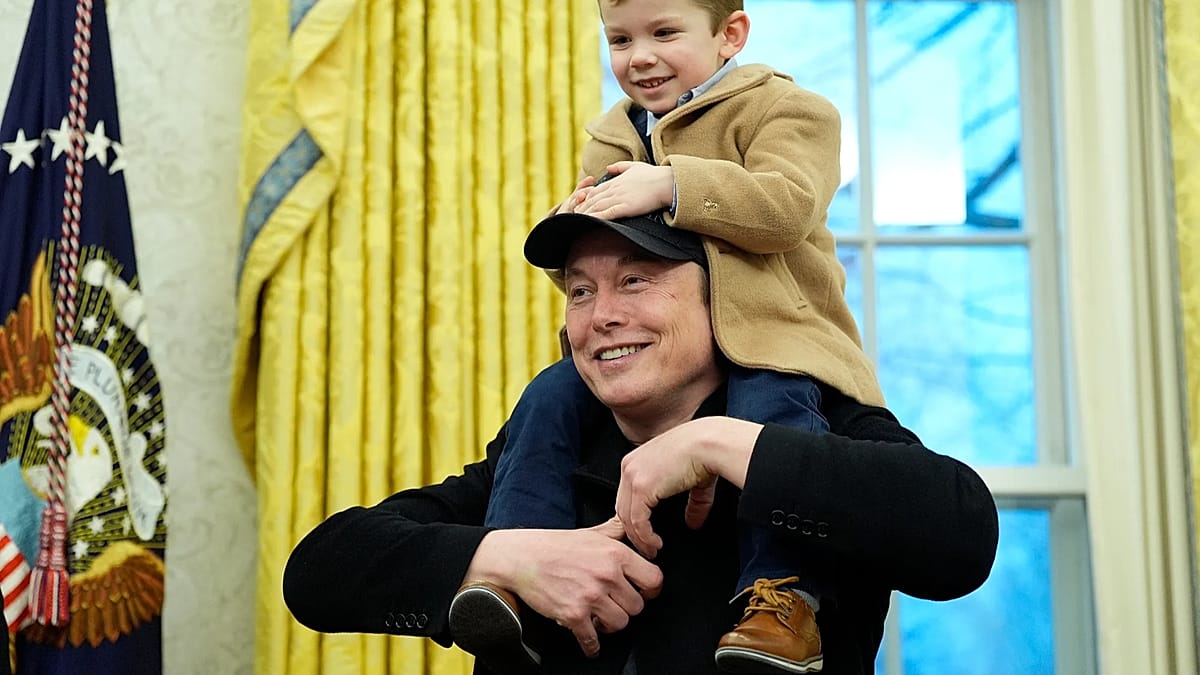
Elon Musk, the world's richest person, has announced he will give two shares in his rocket company SpaceX to every child in the United States, doubling an offer he made just last month. The pledge, made via a post on his social media platform X, has captured global attention and raised questions about the intersection of private wealth, public policy, and child welfare.
In his post on Wednesday, Musk stated: "Every child in America will receive two SpaceX shares, one from the company and one from me personally." SpaceX confirmed that it will issue one newly created Class A share to each active Trump Account—a tax-advantaged savings vehicle for children introduced by the US government—and that Musk will match that contribution with a share of his own.
The company plans to transfer its shares in December, while Musk's personal shares will follow in June 2027, after restrictions on transferring them expire. In October, Musk had promised each child one share, calling it "the first of many."
A pledge with a hefty price tag
The total value of the pledge remains uncertain, depending on SpaceX's share price and the number of eligible accounts. At Wednesday's closing price of $127.44 per share, two shares would be worth $254.88. If all 70 million accounts created by October were activated, the total cost could reach approximately $17.8 billion (€16.3 billion).
To receive the shares, parents or guardians must claim and activate their child's Trump Account. The US government provides a one-off $1,000 (€914) contribution for eligible citizens born between 2025 and 2028, typically invested in low-cost index funds, with withdrawals restricted until the child turns 18.
Musk encouraged families to hold onto the shares, suggesting that SpaceX could "be worth about a million times the current global economy" if it succeeds in making life multiplanetary and harnessing solar energy. He acknowledged these are "absurdly difficult goals, but there is a path to achieving them."
The announcement comes as SpaceX receives regulatory approval to deploy up to one million satellites for a project that would use solar power to run data centres in orbit, potentially boosting its growth and the value of its shares.
While the initiative is US-centric, it resonates across Europe, where debates about child benefits and wealth distribution are ongoing. For instance, German child benefit payments abroad have been a point of contention, and child health gaps are widening across Europe as inequality deepens. The idea of giving children a stake in a private company is novel, but it also raises questions about the role of government in providing for young citizens.
Critics might argue that such gestures, while generous, do little to address systemic issues like child poverty or access to education. Others see it as a creative way to foster long-term investment and financial literacy from a young age.
As the world watches, the success of this pledge will depend on how many families actually claim the shares and what the future holds for SpaceX. For now, it remains a bold experiment in redistributing private wealth to the next generation.