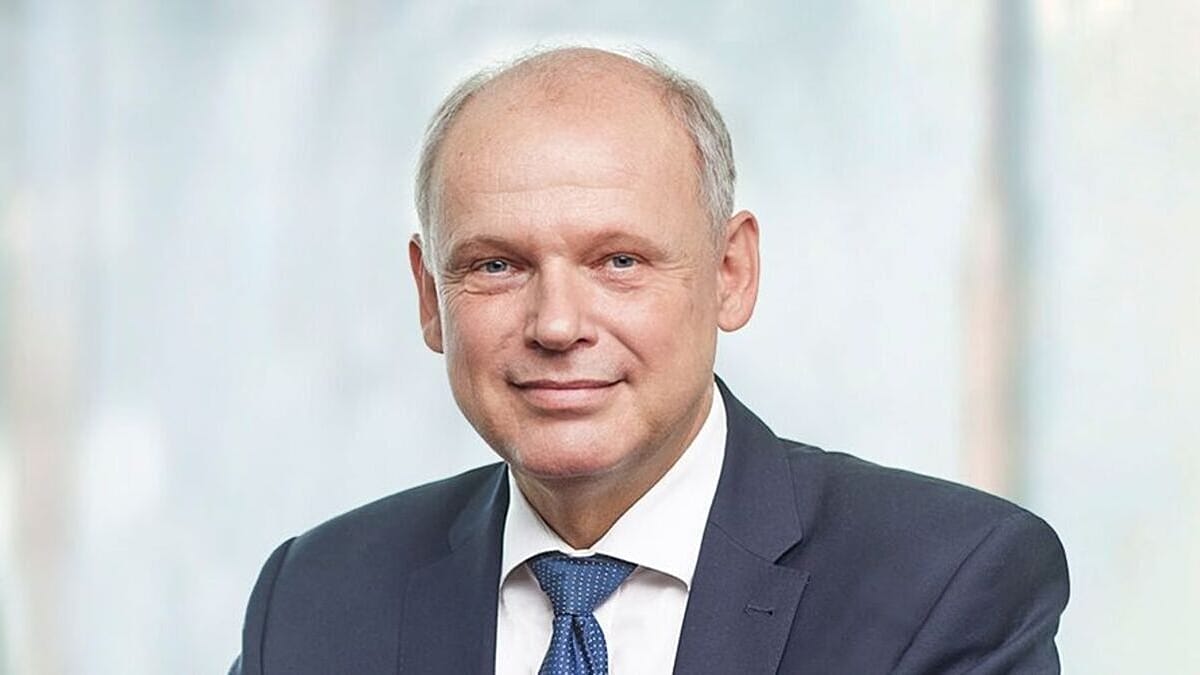
Sebastian Ebel, the chief executive of TUI Group, Europe's largest travel and tourism conglomerate, has called on the European Union to streamline its regulatory framework, open its doors to skilled migrants, and accelerate the transition to renewable energy. Speaking aboard the cruise ship Mein Schiff Flow in the northern German port of Kiel, Ebel offered a candid assessment of the bloc's economic challenges and the policy shifts he believes are necessary to keep Europe competitive.
TUI, headquartered in Hanover, operates around 460 hotels, 19 cruise ships, five airlines with 125 aircraft, and roughly 1,200 travel agencies, employing 67,000 people. In 2025, the group reported revenue of €24.2 billion and an operating profit of €1.46 billion before interest and taxes. The company is set to publish its 2026 annual figures on 9 December.
Bureaucracy: the main drag on growth
Ebel, a self-described convinced European, argues that the EU's institutional machinery needs a serious overhaul. "Bureaucracy is not only the EU's responsibility, national governments are responsible for it as well," he told Euronews. He pointed to Denmark as a model: "Just as much a member of the EU as Germany, but with a far lower density of regulation."
His prescription is straightforward: "Streamlining it, cutting back regulation and focusing on guard rails." He also stressed that tax systems should be simple and understandable, not necessarily lower, but manageable. "Bureaucracy is a key issue," he said, adding that many entrepreneurs are unaware of the obstacles until they face them daily.
Demographics and the need for talent
Europe's ageing population is a pressing concern for business leaders. Ebel warned that as the age pyramid inverts, fewer workers will have to support a growing number of retirees. "Mathematically, we have to work longer, at least those who want to and are able to," he said. But he also insisted that immigration is essential: "We need immigration, specifically talented people who can solve the problems we have here."
He drew on historical parallels, recalling Italian workers who came to Braunschweig and Wolfsburg to work for Volkswagen, and Filipino nurses who filled gaps in the healthcare system. "The point is that we bring the right people here who can strongly support us in this demographic transition so that it does not backfire on us," he added.
Energy: grids, storage, and the nuclear question
On energy, Ebel is optimistic about the potential of renewables, but he acknowledges that current infrastructure is inadequate. "Today we are failing because we do not have smart grids," he said, referring to the challenge of balancing surplus power during windy or sunny periods with shortages when conditions are calm or dark.
He outlined three priorities: dynamic pricing to encourage self-regulation, expanding grid capacity, and building large interconnected systems. On storage, he noted that it is a necessary complement but not a silver bullet.
When asked about nuclear power, Ebel was cautious. While acknowledging that new generations of reactors exist, he questioned whether there is public support in Germany. "Who today would want to build and put into operation a new nuclear power plant in Brokdorf?" he asked, referring to a site in northern Germany. He suggested that renewables can largely cover demand at very low prices, a view that aligns with Germany's ongoing energy transition.
Green mobility and the future of travel
TUI has already made strides in electrifying its land-based operations. The company was among the first to commit to an all-electric company car fleet, and it is now electrifying its bus fleet, which numbers around 1,000 vehicles worldwide. Hotels are also being shifted away from fossil fuels toward electric or geothermal energy.
For ships, Ebel sees a future in liquefied biogas from manure or e-methanol, rather than fracked LNG. "Ships have a major advantage," he said, noting that they can be adapted to run on these cleaner fuels. Aviation remains the toughest nut to crack, but Ebel is hopeful: "Perhaps we are not that far away from this."
His comments come as the EU grapples with how to balance economic growth with climate goals. The bloc has recently launched initiatives to make data centres greener, and energy experts have warned that the EU's fossil fuel phase-out lacks clear targets. Ebel's call for less red tape and more investment in renewable infrastructure resonates with those debates.
As Europe faces an uncertain economic future, Ebel's message is clear: cut bureaucracy, welcome talent, and invest in the energy systems of tomorrow. Whether Brussels and national capitals will heed that advice remains to be seen.