NATO is still waiting for the Pentagon to clarify which military operations will be affected by the planned withdrawal of at least 5,000 US troops from Germany, a senior alliance spokesperson confirmed this week. The announcement, made abruptly by Washington, has left European allies scrambling to understand the strategic rationale and to plan for a potential gap in force posture.
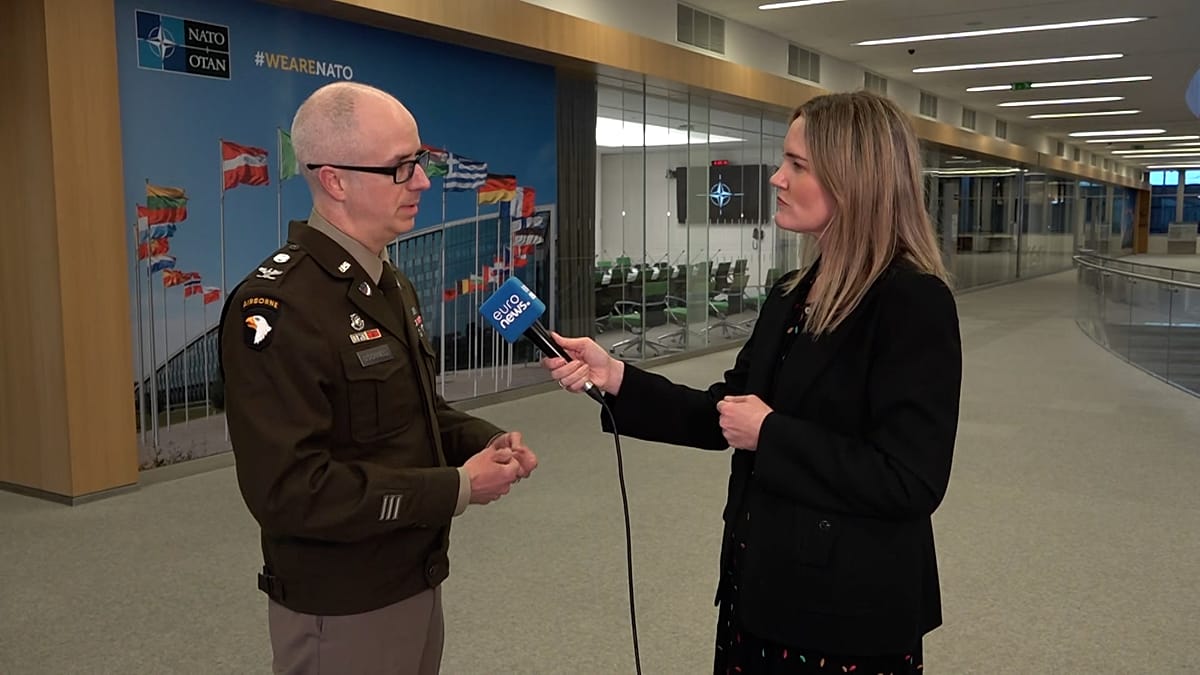
Colonel Martin O'Donnell, a senior military spokesperson for NATO, told Europe Today that the alliance is assessing the broader implications of the decision. “All those things are still under consideration,” he said, referring to the specific units and missions that might be redeployed or cut. The US currently stations approximately 36,500 troops in Germany, part of a total of around 80,000 American forces across Europe.
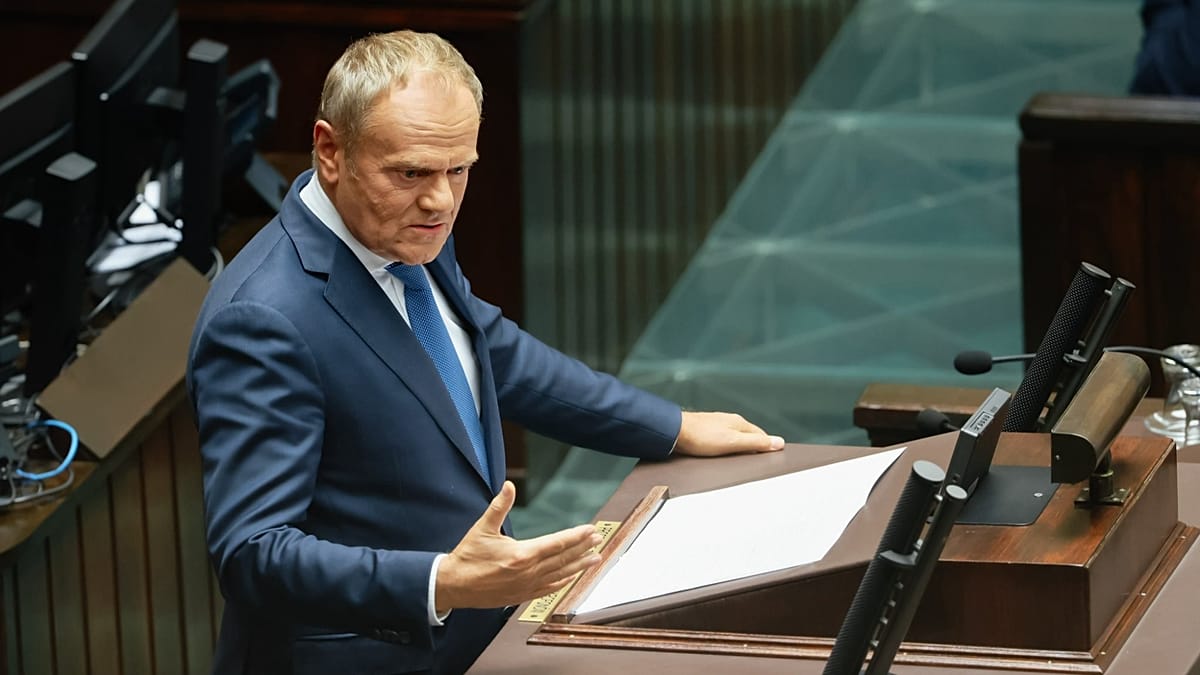
The Pentagon has indicated that the withdrawal will take place over the next six to nine months. However, days later, US President Donald Trump suggested the reduction could go “a lot further” in the future, without providing additional details. The decision came amid a heated public exchange between Trump and German Chancellor Friedrich Merz, who had criticised the US military campaign in Iran as ill-conceived and accused White House negotiators of being “humiliated” by Tehran.
European Allies Left in the Dark
NATO spokesperson Alison Harte acknowledged the uncertainty, stating: “We are working with the US to understand the details of their decision on force posture in Germany. This adjustment underscores the need for Europe to continue to invest more in defence and take on a greater share of the responsibility for our shared security.” Despite these diplomatic reassurances, several days after the initial announcement, the Pentagon has still not shared its strategy with European allies, creating significant planning challenges for capitals from Berlin to Warsaw.
Colonel O'Donnell downplayed the immediate impact on NATO's deterrence posture, insisting that “from a NATO perspective, in terms of our deterrence and defensive plans, this doesn't change anything.” He noted that the US had previously signalled that such a move was ultimately inevitable, and that European nations have been bolstering their own defences in anticipation. “The United States has said, look, this isn't happening overnight. This will occur over a six-to-12-month period,” he added.
Nevertheless, the timing is particularly sensitive. The war in Ukraine continues, and Russian hybrid warfare activities—including cyberattacks, disinformation campaigns, and sabotage—remain a persistent threat across NATO territory. The withdrawal of US forces could strain European capabilities, especially in areas such as logistics, intelligence, and rapid response.
Beyond the troop reduction, recent tensions within the alliance—most notably the dispute over Greenland—have further damaged morale. O'Donnell acknowledged the strain but urged unity: “Yes, one cannot escape the news, but I think what all of the countries within NATO, all 32 countries need to understand is the military members who I represent within the alliance, we are focused on our mission, which is deterring and defending.”
The lack of consultation has also raised legal questions. A separate analysis examines whether US law can block Trump's plan to cut troops in Europe, given congressional oversight of defence spending and troop deployments. Meanwhile, European leaders are convening in Yerevan to discuss the broader implications of the transatlantic rift, including the fallout from the Merz-Trump clash.
For now, NATO is operating under a “business as usual” posture, but the uncertainty underscores a growing divide between Washington and its European partners. As the alliance prepares for its next summit, the question of burden-sharing—and whether Europe can compensate for a reduced US presence—will dominate the agenda.