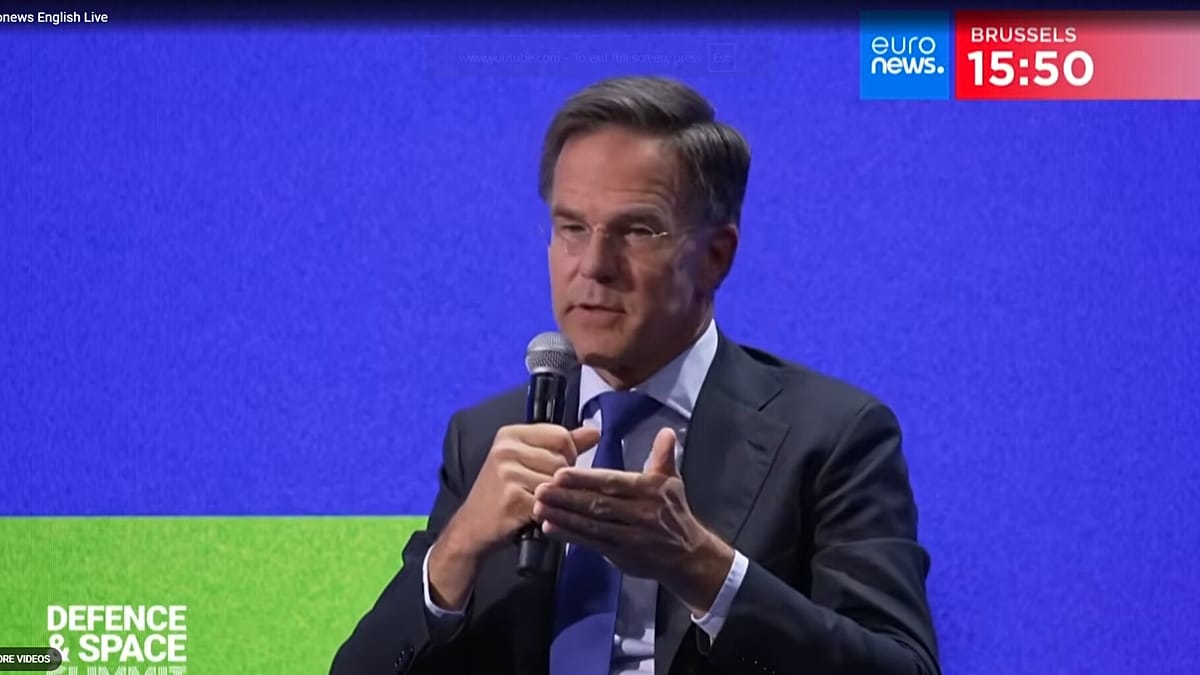
Speaking at the Euronews Defence & Space Summit in Brussels on Wednesday, NATO Secretary General Mark Rutte sought to calm nerves over Russia's latest nuclear rhetoric, insisting that the alliance faces no immediate military threat and that Moscow's warnings should not be taken at face value.
“We have prepared for this, we have planned for this, and this is true for the whole of NATO,” Rutte said. “We will defend every inch of NATO territory. That threat is not there, and if anything happens, we are ready to counter it.”
His comments come after media reports that Russia had sent NATO a letter warning against any attempt to cut off the exclave of Kaliningrad from the Russian mainland, with Moscow saying it was ready to use its entire arsenal, including nuclear weapons. Rutte declined to confirm the contents of the letter, saying it was up to Russia to disclose them, but he was unequivocal in his response.
“We are a defensive alliance. Stop the nuclear threat. This is absolutely not called for and not helpful. And particularly stop the war in Ukraine, which is an unprovoked war of aggression against Ukraine,” he said.
Rutte: Russia cannot win a confrontation with NATO
The NATO chief dismissed the idea of a concrete nuclear threat or escalation against the Baltic states, arguing that Russian President Vladimir Putin knows full well that a military confrontation with the alliance would be unwinnable. “Everybody knows that he can never win against NATO. I don't take this seriously. But of course, we have to reply and make clear that NATO is a defensive alliance, as I said, and stop the war in Ukraine and stop the nuclear threats,” Rutte said.
His remarks reflect a broader effort by NATO to project calm while maintaining a firm stance. The alliance has repeatedly stressed its defensive posture, but also its readiness to respond to any aggression. Rutte's message was clear: the nuclear threats are a distraction from Russia's real problems on the battlefield.
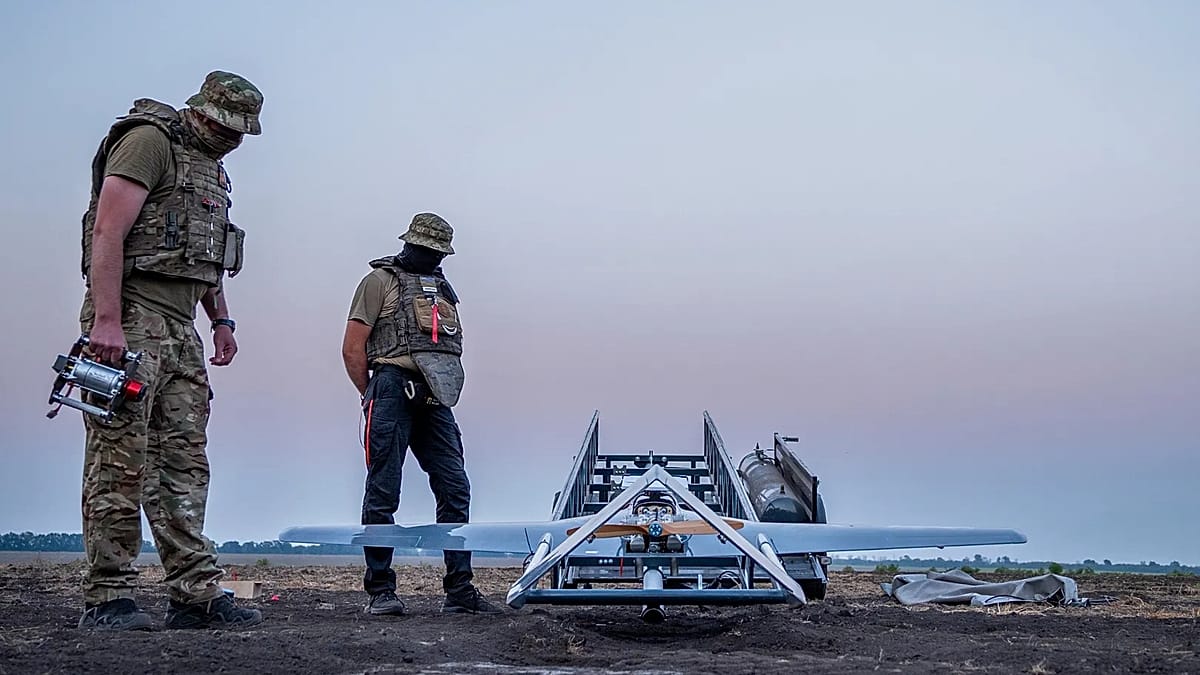
According to Rutte, Russia is suffering heavy losses in Ukraine, with an estimated 43,000 troops killed or seriously wounded each month on the front line. He noted that Kyiv is performing much better than a year ago and that allies continue to provide military support. “We should stay calm, keep backing Ukraine, and ramp up our defence investment,” he said.
The summit in Brussels, which brought together defence officials and experts, also focused on Europe's escalating hybrid threats, a topic that has gained urgency as the war in Ukraine enters its third year. Rutte's appearance at the summit underscored the alliance's commitment to addressing these challenges head-on.
While Rutte's tone was reassuring, he also made clear that NATO must remain vigilant. The alliance has increased its presence in Eastern Europe, particularly in the Baltic states and Poland, and has conducted regular exercises to test its rapid response capabilities. The message from Brussels is that NATO is prepared for any eventuality, but it does not see an imminent attack.
For European capitals, especially those bordering Russia, the reassurance is welcome but not entirely comforting. The war in Ukraine continues to grind on, and the threat of escalation remains a constant concern. Yet Rutte's comments suggest that NATO's leadership believes the immediate danger is manageable, and that the focus should remain on supporting Ukraine and strengthening the alliance's own defences.
As the summit concluded, the takeaway was clear: NATO is not panicking, but it is not complacent either. The alliance will continue to bolster its eastern flank, invest in new capabilities, and coordinate with partners to counter a range of threats, from conventional military aggression to cyberattacks and disinformation.