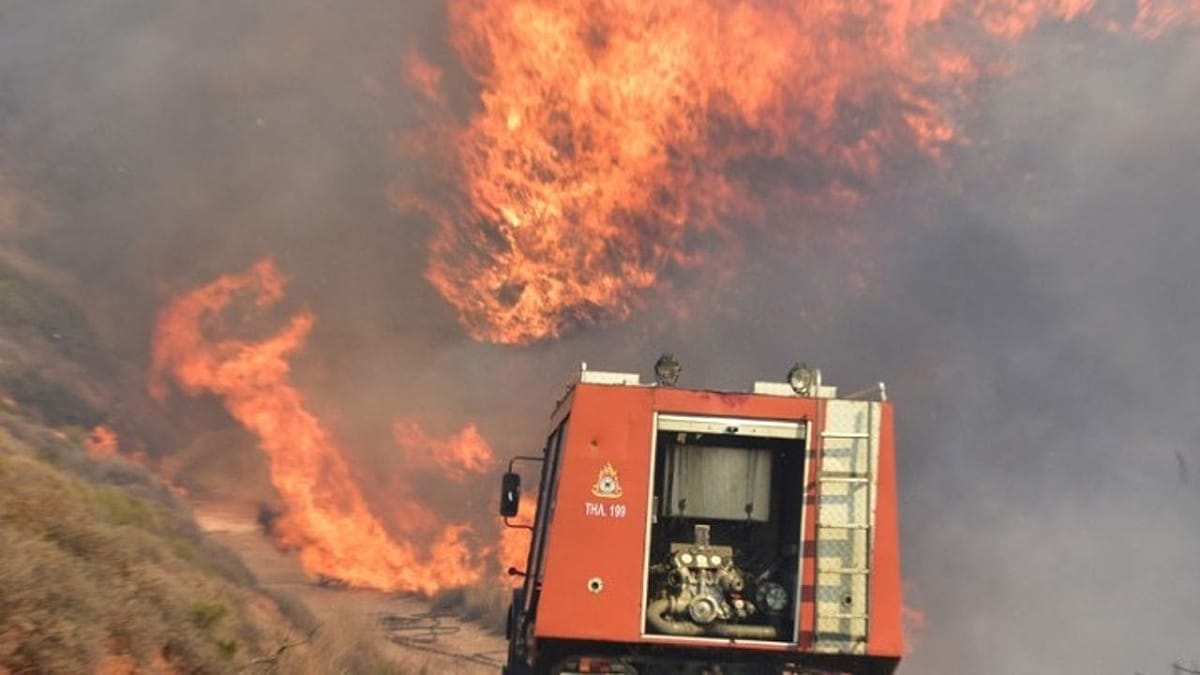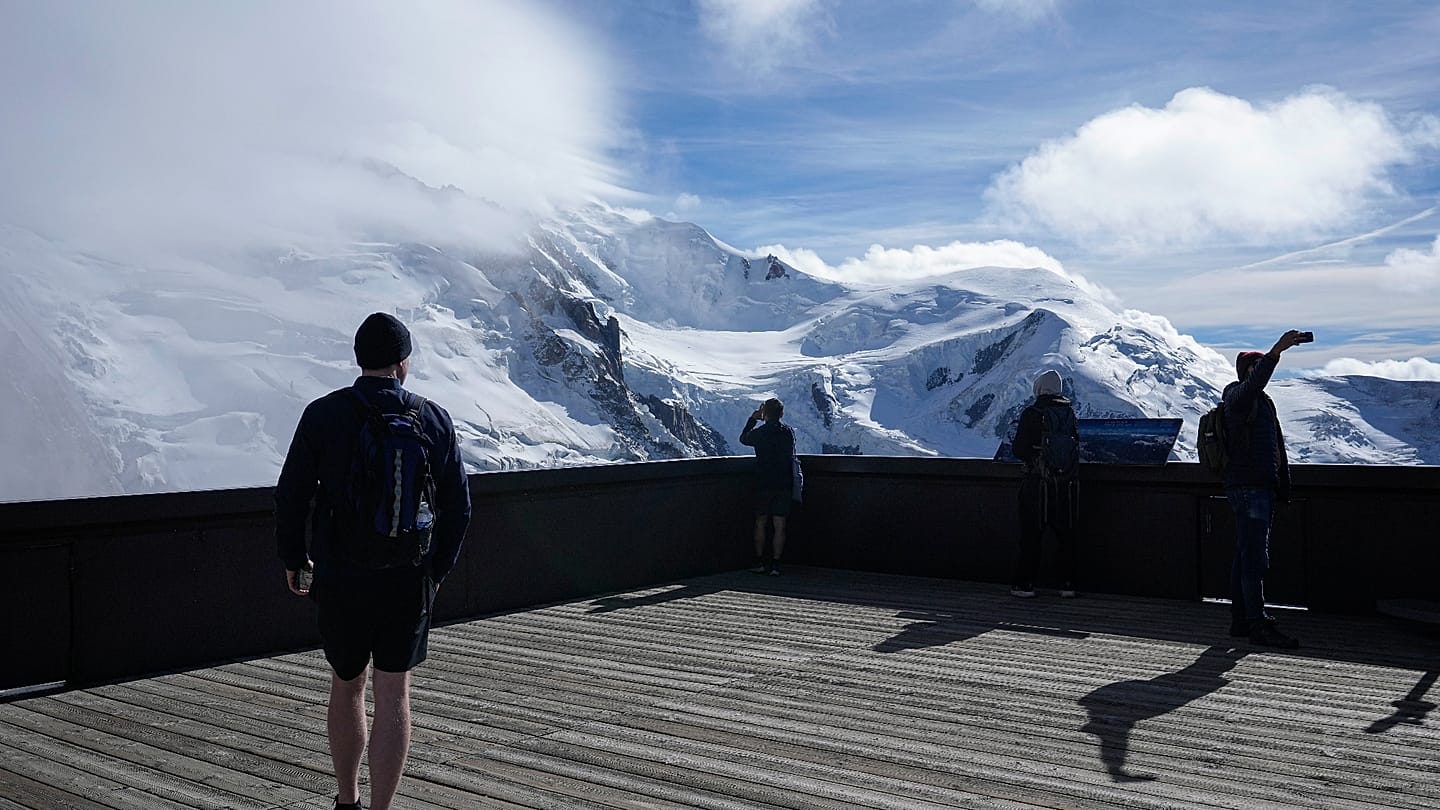
This summer's devastating floods in Nepal have sent a ripple of concern across the Alps, particularly in Chamonix, the French mountaineering hub that sits in the shadow of Mont Blanc. For local officials, the disaster in the Himalayas is not a distant tragedy but a stark warning of what a warming climate could bring to Europe's highest peak.
"Summer has shaken us," says Jean-Marc Peillex, the mayor of Saint-Gervais-les-Bains, the commune that administers the Chamonix valley. His words carry the weight of a season marked by extreme weather, from heatwaves to violent storms, and a growing sense that the mountains are becoming less predictable.
Peillex has long been an advocate for proactive risk management in the Mont Blanc massif. He points to the accelerating retreat of glaciers and the thawing of permafrost, which destabilises rock faces and increases the likelihood of ice and rockfalls. "We urgently need to prepare for the dangers of falling chunks of glacier or rock," he told European Pulse, echoing the concerns of glaciologists who monitor the region.
The parallels with Nepal are striking. There, monsoon rains triggered catastrophic floods and landslides that killed hundreds and displaced thousands. The disaster was compounded by glacial lake outburst floods, a phenomenon that occurs when moraine dams fail, releasing vast quantities of water. In the Alps, similar glacial lakes are forming as ice retreats, and scientists warn that a warming climate could make such events more frequent.
For Chamonix, the immediate risks are different but no less real. The iconic Mer de Glace, one of the largest glaciers in the Alps, has been shrinking steadily, exposing unstable rock and creating new crevasses. Hiking trails have been rerouted, and some refuges have become inaccessible. The local tourism economy, which depends on the allure of the high mountains, is having to adapt to a changing landscape.
Peillex has called for increased investment in monitoring systems and early-warning infrastructure. He wants more sensors on the glaciers, more frequent aerial surveys, and better coordination with Swiss and Italian authorities, who share the Mont Blanc massif. "We cannot prevent every rockfall, but we can be better prepared," he insists.
The broader European context is one of heightened awareness. This summer, Spain recorded its hottest summer on record, with 61 heatwave days, a stark reminder that climate change is not a distant threat but a present reality. In the Alps, the average temperature has risen by about 2°C since the late 19th century, roughly twice the global average, and the effects are visible in the retreating ice.
Scientists at the University of Zurich, which maintains a glacier monitoring network, have documented a consistent loss of ice volume across the European Alps. They project that by the end of the century, many of the region's glaciers could disappear entirely, fundamentally altering the landscape and the risks it poses.
For the people of Chamonix, the changes are both personal and practical. "My grandfather guided climbers up Mont Blanc in the 1950s," says Pierre, a local mountain guide who asked to be identified only by his first name. "The routes are different now. The ice is thinner, the rock is more exposed. We have to be more careful every day."
The Nepalese disaster has also highlighted the importance of international solidarity. European rescue teams, including specialists from France and Switzerland, have been deployed to assist in the relief efforts. The rescue operations in Nepal have been a reminder that mountain hazards do not respect national borders.
As the summer draws to a close, the mayor of Saint-Gervais is pressing for a regional summit on alpine risk. He wants to bring together mayors, scientists, and emergency services from France, Italy, and Switzerland to develop a shared strategy. "We are all in the same boat," he says. "The mountains are changing, and we must change with them."
The lessons from Nepal are clear: preparation saves lives. For Chamonix, the time to act is now, before the next summer shakes them even harder.