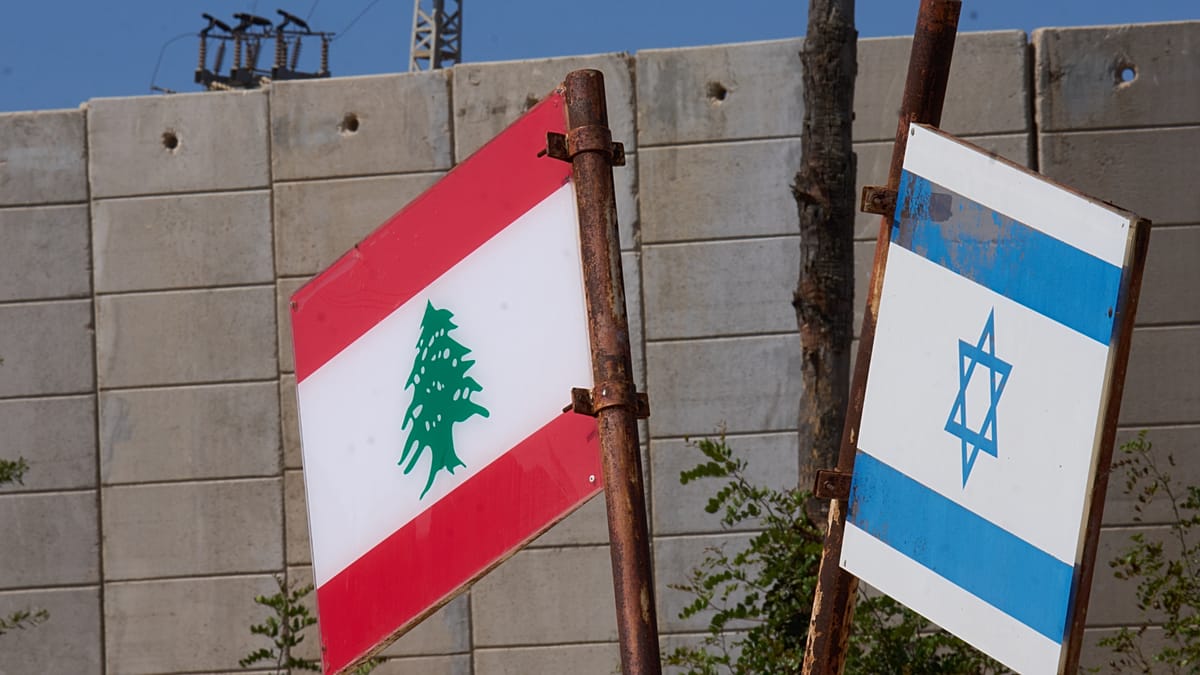
Israeli Prime Minister Benjamin Netanyahu on Saturday celebrated a trilateral framework agreement signed the previous day by Israel, Lebanon, and the United States, describing it as a historic step toward ending hostilities between the two neighbours. The deal, reached after five rounds of talks in Washington, outlines a process for Lebanese soldiers to assume control over two areas currently held by Israel and includes provisions for disarming Hezbollah.
In a televised briefing, Netanyahu said: “Yesterday we achieved a historic deal for the state of Israel after direct negotiations between Israel and Lebanon. This is a blow to Iran and Hezbollah.” The agreement declares that both countries “intend to conclusively end the conflict, address its underlying causes, and to therewith formally conclude any state of war between them.”
Far-Right Opposition and Hezbollah Rejection
Israel’s far-right National Security Minister Itamar Ben Gvir immediately denounced the agreement. Writing on his Telegram channel, Ben Gvir argued that the Lebanese government cannot be trusted to disarm Hezbollah. “The agreement with Lebanon is a big mistake… Indeed, we are staying in most of the territory for now, but the state of Lebanon will not disarm Hezbollah,” he wrote. “Members of the Lebanese government are Hezbollah ministers, and Lebanon cannot be trusted to take Hezbollah’s weapons. Only IDF soldiers will destroy Hezbollah, no other party will do it for us.”
Hezbollah itself also condemned the framework on Saturday. In a statement, the group’s deputy leader Naim Qassem called the agreement “humiliating, shameful, and a surrender of sovereignty.” He added: “This agreement is null and void, and the provisions of the Iranian-American memorandum of understanding must be implemented.” Hezbollah drew Lebanon into the broader Middle East war on 2 March with rocket fire aimed at Israel to avenge the killing of Iran’s supreme leader Ayatollah Ali Khamenei in US-Israeli strikes.
Lebanese President Joseph Aoun described the deal as “a first step” toward restoring his country’s sovereignty, but the deep divisions within both Israeli and Lebanese politics cast doubt on its long-term viability. The agreement also has implications for European diplomacy, as the EU has long sought stability in the eastern Mediterranean. Brussels has been a key backer of the Lebanese Armed Forces and has pushed for a political solution that reduces Hezbollah’s influence. The deal’s fate could affect EU internal debates over foreign policy toward Israel and Lebanon.
Analysts note that the framework’s success hinges on whether the Lebanese state can genuinely assert control over Hezbollah’s military wing, a task that has proven elusive for years. Meanwhile, Israeli far-right figures have already signalled they will resist any withdrawal from occupied territory. The coming weeks will test whether the US-brokered accord can survive the political crossfire on both sides.