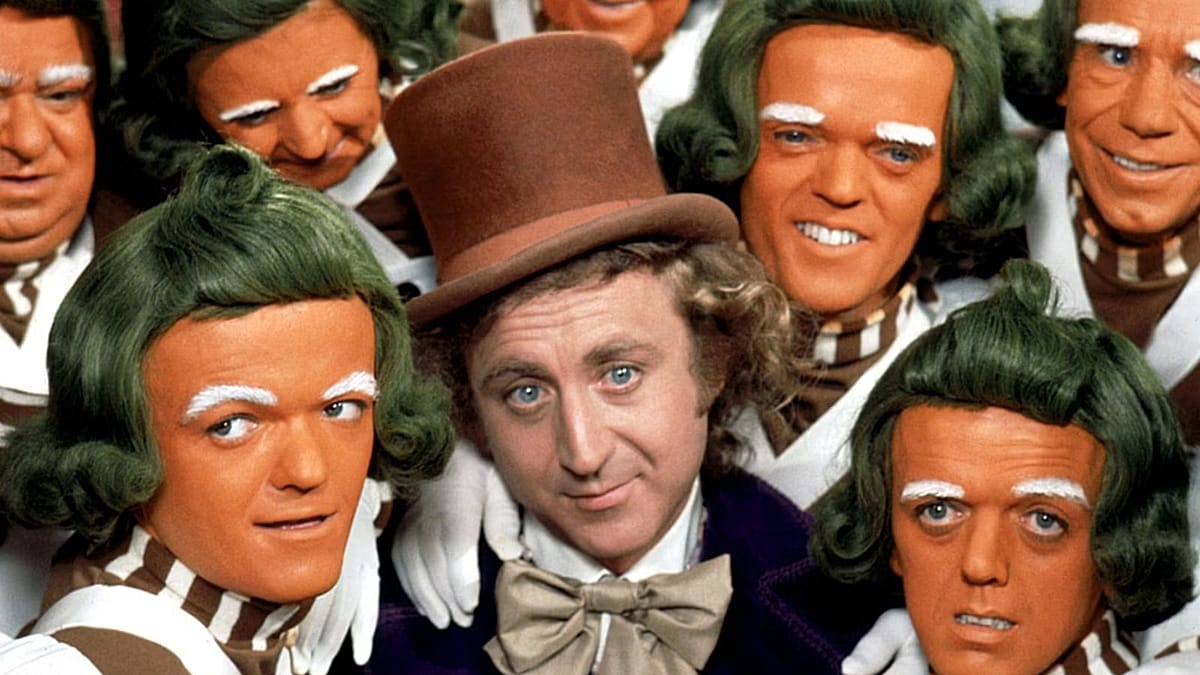
When Roald Dahl wrote the eerie lyrics for the boat song in Charlie and the Chocolate Factory—"There's no earthly way of knowing / Which direction we are going"—he could hardly have anticipated a scenario where artificial intelligence would resurrect the voice of the actor who delivered them. Yet that is precisely what Netflix has done with its upcoming competition series, Wonka's The Golden Ticket.
The show, which invites twelve "lucky Golden Ticket winners" and their partners into a recreated chocolate factory, promises a world of "pure imagination, delicious mischief, and unexpected challenges." But the teaser clip has ignited a firestorm of criticism for its use of an AI-generated version of Gene Wilder's voice, created by the company ElevenLabs.
In the clip, the AI voice declares: "For the first time in decades, I'm opening my beloved chocolate factory... A whole new generation of real life golden ticket holders will compete for a life-changing prize, or say a most unfortunate goodbye." The simulation has been widely condemned on social media, with one user writing, "Gene is rolling in his grave," and another adding, "The AI voice lacks emotion, no soul no depth."
Estate Consent Does Little to Quell Outrage
Wilder, who died in 2016 at age 83, remains an iconic figure in cinema, and his portrayal of Willy Wonka is beloved across generations. His widow, Karen Wilder, defended the decision, stating: "More than five decades after Gene brought Willy Wonka to life, people of all ages and backgrounds around the world continue to find joy, laughter and inspiration in his performance." She added that the show "celebrates the warmth and imagination that he brought to the role."
Despite the estate's approval, many fans remain unconvinced. The controversy underscores a broader unease about the use of AI in creative industries, particularly when it involves deceased performers. This is not an isolated incident: earlier this year, AI-generated images falsely showed French President Emmanuel Macron kneeling before the Thai king, highlighting the technology's potential for misuse.
The debate also echoes concerns raised by European cultural institutions. In Italy, Milan's Animal Parliament has been exploring how to give non-human voices a role in urban planning—a far cry from the ethical questions posed by AI voice cloning. Meanwhile, the European Union has been grappling with the regulation of AI through its AI Act, which aims to set guardrails for high-risk applications, including those that could manipulate human emotions or impersonate individuals.
Netflix has not commented on the backlash beyond the teaser release. The show is set to premiere later this year, and it remains to be seen whether the controversy will affect viewership. For now, the words of Dahl's poem seem hauntingly apt: "Not a speck of light is showing / So the danger must be growing."