The Netherlands has confirmed that the first child euthanised under its expanded assisted-dying law was a one-year-old, making it the youngest person worldwide to die by euthanasia. The case, which occurred last year, was disclosed in a government report earlier this month, shedding light on the circumstances that led to the decision.
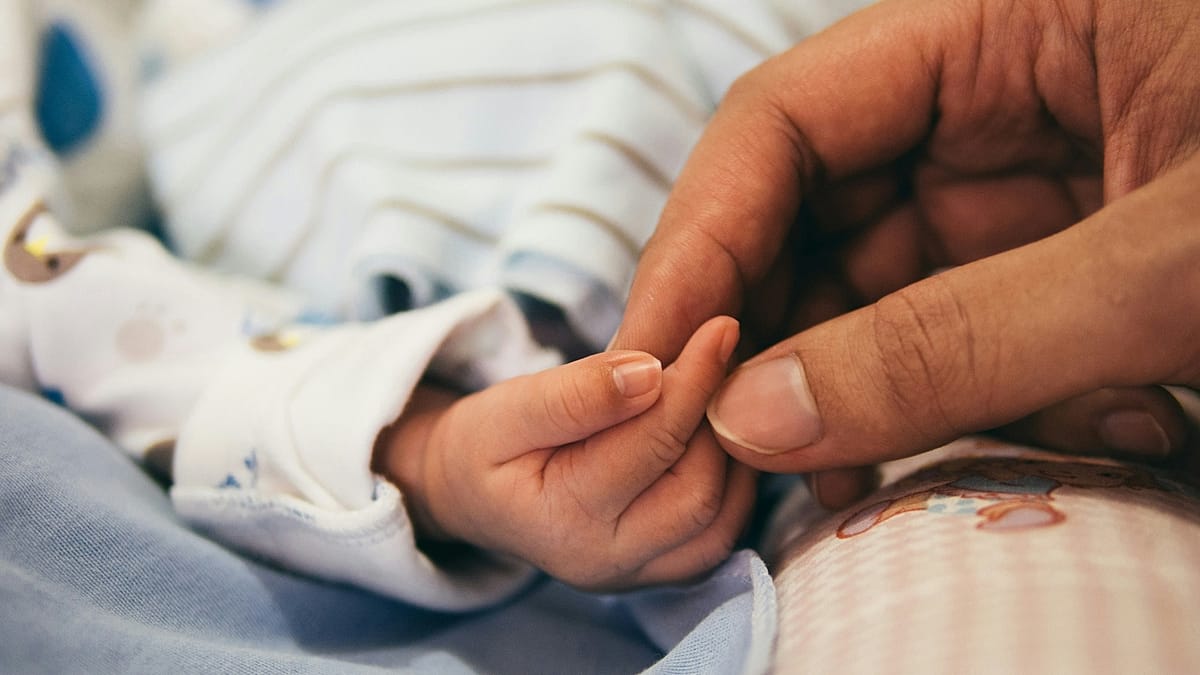
According to the report, the child was born prematurely and developed sepsis, leading to extensive brain damage by the age of four months. The infant also suffered from a severe form of cerebral palsy and later developed a severe epilepsy. The report detailed the child's struggle with sputum clearance, which made breathing difficult and increased the risk of respiratory infections. "In the course of the child's short life, there was a complete lack of development or improvement," the report stated.
The parents, facing the reality of their child's condition, asked the attending physician to end the child's life. The doctor, whose identity has not been disclosed, performed the euthanasia in accordance with the legal framework that came into effect in 2024, extending the right to euthanasia to children aged one to twelve who are suffering unbearably with no prospect of improvement.
Legal and ethical implications
This case marks a significant milestone in the Netherlands' long history with euthanasia, which was legalised in 2002 under strict conditions. The Dutch law requires that all cases be reported to medical review boards, which assess whether the physician acted with due care. In this instance, the Public Prosecution Service announced it would not prosecute the doctor, following a committee's ruling that the procedure was conducted properly.
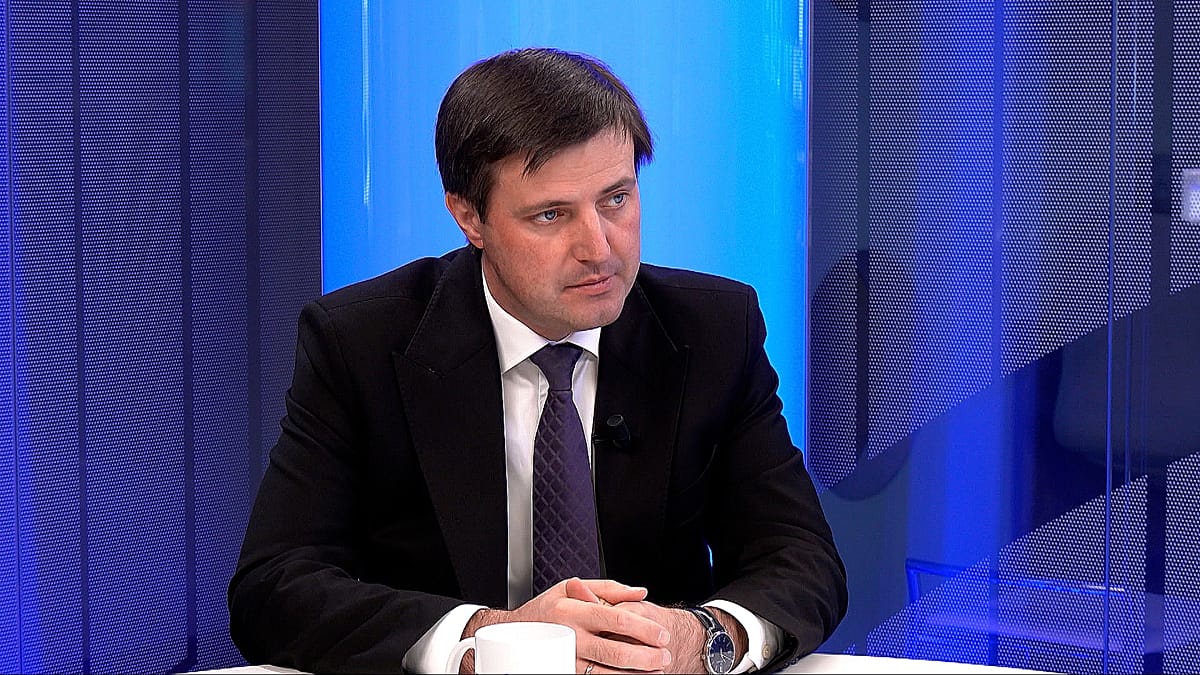
The physician, speaking to Dutch media, expressed the immense pressure of being the first to navigate this uncharted territory. "As a doctor, you are in an extremely vulnerable position, because this has never happened before. It still feels as if a sword of Damocles has been hanging over your head for almost a year," he said.
The case has reignited debates across Europe about the ethics of child euthanasia. While the Netherlands and Belgium allow the practice under specific conditions, other countries, including Belgium's recent high-profile case, have faced scrutiny. In the Netherlands, the number of reported euthanasia deaths reached 10,341 last year, according to the Regional Euthanasia Review Committees, reflecting the country's relatively permissive stance.
Supporters argue that the law provides a humane option for children in unbearable pain, while critics question the ability of infants to consent and the potential for slippery slopes. The Dutch government has emphasised that each case is rigorously reviewed, and that the decision is made with the utmost care, involving multiple medical professionals and the parents.
As Europe grapples with these complex issues, the Netherlands' experience offers a case study in balancing compassion with legal safeguards. The confirmation of this case, though sombre, underscores the country's commitment to transparency in end-of-life decisions, even as it continues to spark ethical discussions across the continent.