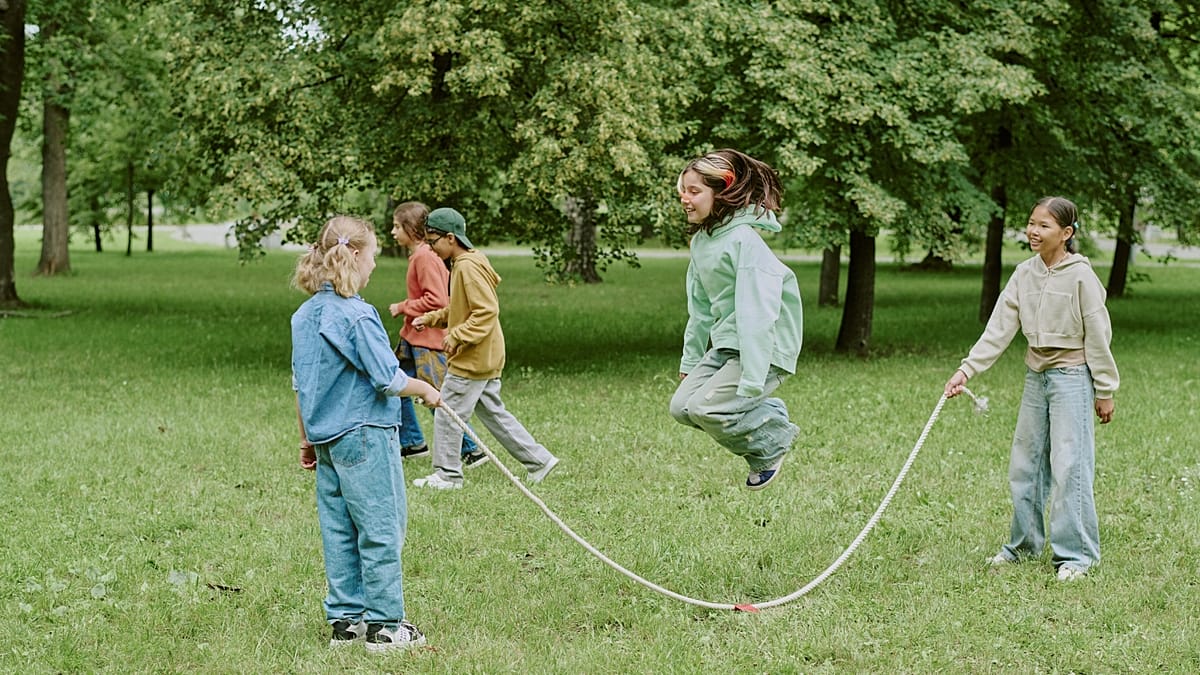
Regular outings to the local park during childhood may do more than burn off energy—they could lay the groundwork for better mental health and social skills, according to a new study from the University of Exeter.
The research, published in the Journal of Epidemiology and Community Health, tracked 4,219 children from birth to age 11. Those who visited a park at least once a week over that period scored, on average, 16.5% higher on social-emotional development assessments than peers who went less frequently. The association held even after the team adjusted for socioeconomic status and family difficulties.
Why parks matter for development
Lead researcher Mark Ferguson explained that parks offer more than just a place to run around. “Parks give children space to be physically active, which is known to support mental and physical health, as well as helping adventurous and imaginative play to build confidence and independence,” he said. “We believe parks could be more than places to play, but an important resource for children’s healthy development.”
The study focused on social-emotional development—the set of skills that help children manage emotions, form relationships, behave appropriately, and cope with daily challenges. Strong social-emotional skills in childhood are a known foundation for long-term mental health, the authors note.
Children showed better social-emotional development during periods when they visited parks more often, and those with the highest overall visit frequency fared best. Improvements were seen in both internalising behaviours (such as emotional symptoms and peer problems) and externalising behaviours (like conduct issues and hyperactivity or inattention).
The team also looked at how family background influenced park use. Children from more advantaged areas tended to visit parks more frequently at younger ages, while those from less advantaged families increased their visits as they grew older. This pattern suggests that parks could help narrow developmental gaps—but only if they are genuinely accessible to everyone.
“Communities need good-quality parks that are safe, accessible and welcoming to families from all backgrounds,” Ferguson said. Because parks are free and open to all, they can have what researchers call an “equigenic effect”—a term for environments, particularly green spaces, that act as a levelling force, reducing health, psychological, or educational disparities between socioeconomic groups.
The findings come as European policymakers increasingly look to nature-based solutions for public health challenges. In France, President Emmanuel Macron has recently called for tighter regulation of AI to protect children’s mental health, while the EU has been debating online safety measures. But this study points to a simpler, offline intervention that costs nothing and is available in nearly every town and city across the continent.
From the sprawling parks of Berlin’s Tiergarten to the pocket playgrounds of Lisbon, the message is clear: making green spaces a regular part of childhood could be one of the most cost-effective investments in future well-being. As Ferguson put it, parks may be “an important resource for children’s healthy development”—one that every European community can nurture.