A new study published in the journal Science on 27 August provides compelling evidence that El Niño events—the periodic warming of the equatorial Pacific that disrupts weather worldwide—are intensifying due to human-caused climate change. The research, led by paleoclimate scientist Julia Cole of the University of Michigan, finds that El Niños are now more than 36 percent stronger than they were before the industrial age began in the mid-1800s. Notably, a 16 percent jump in just the last four decades indicates the acceleration is quickening.
The findings arrive as a powerful El Niño, which formed a few months ago, is forecast to become one of the strongest on record. These events, which temporarily warm parts of the central Pacific, trigger a cascade of climate extremes: heatwaves, floods in some regions, droughts in others, and can cause trillions of dollars in damage globally.
Corals as a window into the past
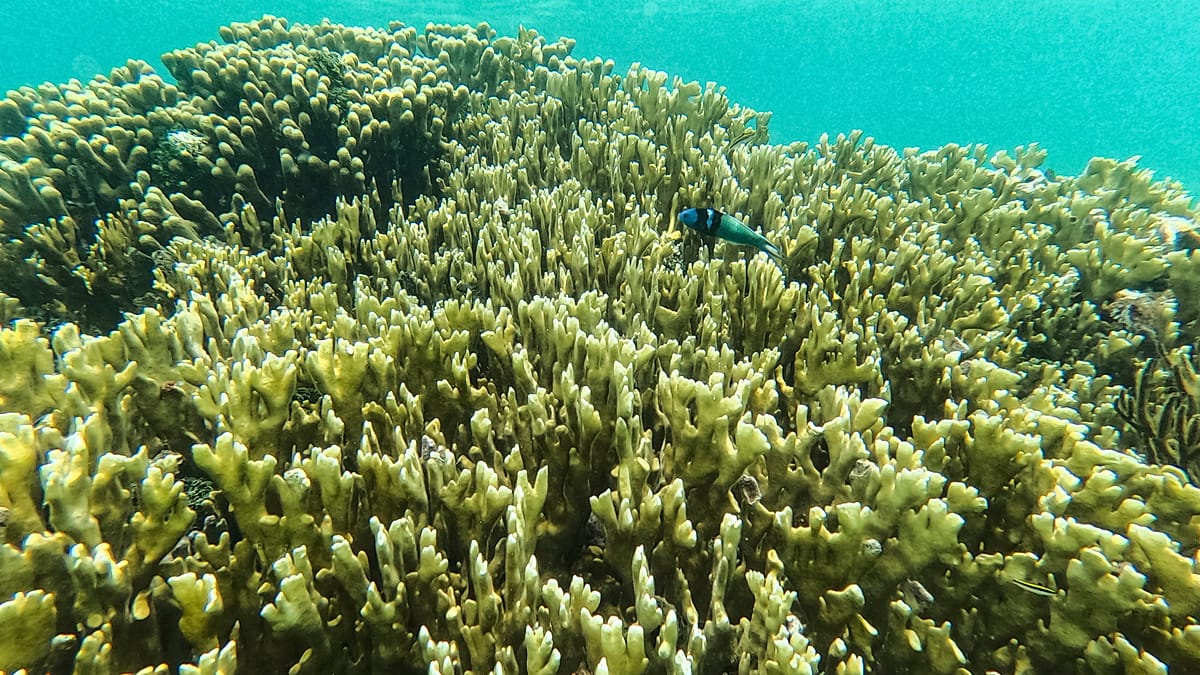
Cole's team used an innovative approach, analyzing coral fossils from the Galápagos Islands to reconstruct El Niño activity over the past 900 years. "Corals act as a time machine to look into the past," Cole explained. By measuring the ratios of calcium and strontium in coral skeletons, along with oxygen isotopes, the researchers obtained two independent records of seawater temperature. Uranium-thorium dating provided the age of each sample. The dataset included 29 corals—14 from before the industrial era, 14 from after, and one from the transition period—with the oldest dating back to around 1100 CE.
When charted, the temperature record resembles a hockey stick, a pattern famously seen in global temperature reconstructions. "When we set out to answer the question of why this might be happening, we set our data up against a record of global temperature, and we found that the increase in El Niños' strength closely parallels the rise in global temperature that is due to human causes such as the burning of fossil fuels," Cole said.
Stronger El Niños, greater impacts
The implications are significant. "El Niño is the most violent aspect of climate variability worldwide, with effects ranging from local fisheries collapse, to widespread coral die-offs to severe droughts and food shortages around the world," said Boris Worm, a marine scientist at Dalhousie University who was not part of the study. He echoed the late climate scientist Wallace Broecker's warning: "The climate system is an angry beast and we are poking it with sticks." Worm added, "Human emissions are the stick and El Niño is [one] of the 'angry' outbursts that can be so threatening to our collective safety."
El Niño strength is measured by comparing the three-month average sea surface temperature in a central Pacific region to the long-term norm. A deviation of 0.5°C marks an El Niño, while 2°C or more is classified as "very strong." The latest weekly reading stands at 2.7°C, and Columbia University's El Niño tracker expects it to keep growing for another two to four months.
Scientists have long theorized that a warming world would amplify El Niños because they are driven by ocean temperature differences. However, instrumental records only span about 75 years, making it difficult to detect a clear trend. This study, using centuries of coral data, fills that gap. Kim Cobb, a coral and climate scientist at Brown University, called corals "the gold standard for El Niño reconstruction," adding that "this brings a goldmine of new material to the table." She noted that the paleoclimate data from across the Pacific is "fairly consistent in pointing to an intensification of El Niños with global warming."
Not all scientists are convinced. Some argue that recent observations clash with the reconstruction, but the study's authors maintain that the long-term signal is robust. As the world continues to warm, the specter of more powerful El Niños—and their associated extremes—looms larger. The findings underscore the urgency of reducing fossil fuel emissions, a message that resonates across Europe, where heatwaves and floods have already taken a toll. For more on how extreme heat is affecting health, see this related study. And as ocean temperatures hit record highs, the interplay with El Niño is a growing concern, as recent reports show.