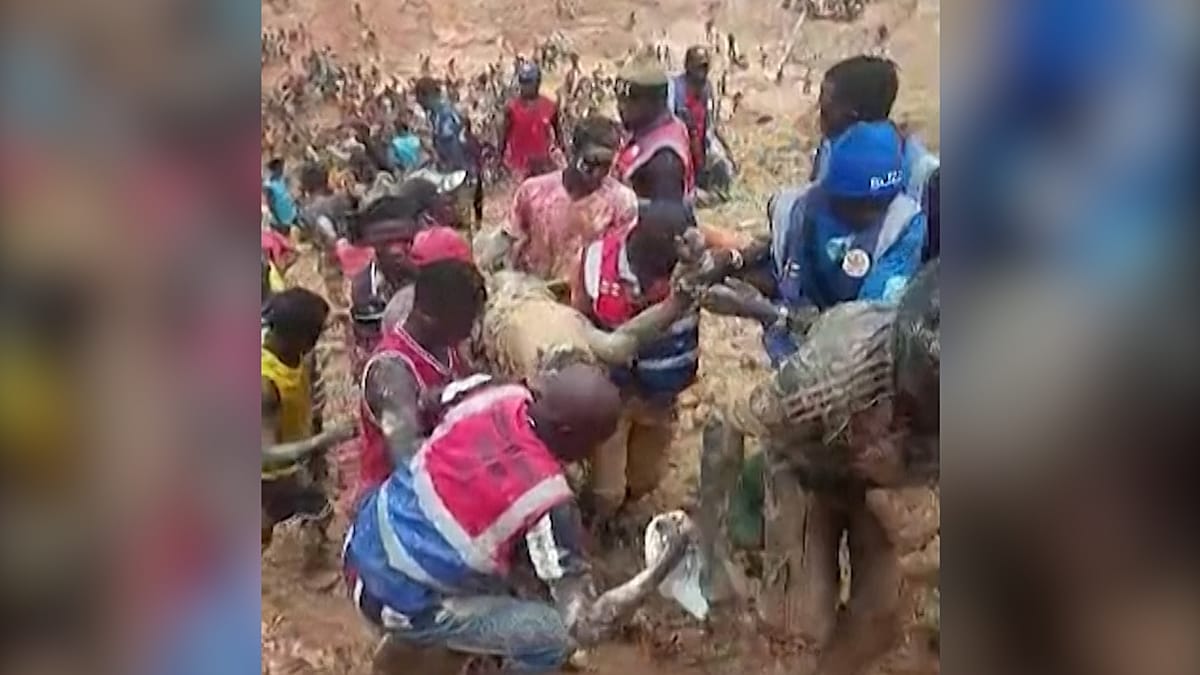
Fresh video footage from the Zamboye mining site in the Central African Republic (CAR) has emerged, capturing the harrowing moment a landslide engulfed an artisanal gold mine. The clip, filmed on 18 August, shows a wall of earth and sand crashing down on miners working in an open pit, burying them within seconds.
The disaster has reignited concerns about the safety of informal mining operations across the region, where thousands of people work without protective equipment or oversight. Local authorities have yet to confirm an official death toll, but earlier reports suggested that as many as 100 miners may have been trapped beneath the rubble.
A recurring tragedy
Artisanal mining is a lifeline for many communities in the Central African Republic, one of the world's poorest countries. Gold and diamond deposits attract workers from across the country and neighbouring states, but the lack of regulation and basic safety measures makes such sites highly vulnerable to accidents.
This is not the first time the Zamboye site has been in the spotlight. A previous collapse there in 2021 also resulted in multiple fatalities, highlighting a pattern of recurring disasters. The latest incident has prompted renewed calls for international support to improve mining standards and provide alternative livelihoods.
The European Union has been active in the region, funding peacekeeping and development programmes. However, experts argue that more needs to be done to address the root causes of informal mining, including poverty and lack of economic opportunities.
"These miners are not just victims of a natural event; they are victims of a system that offers them no other choice," said Dr. Marie-Claire Uwera, a researcher on African extractive industries based in Brussels. "The international community must step up efforts to formalise the sector and ensure basic safety standards."
The footage has also drawn attention to the broader challenges facing the Central African Republic, which has struggled with political instability and armed conflict for years. The government, with support from the UN peacekeeping mission MINUSCA, has pledged to investigate the incident and provide assistance to the families of the victims.
Meanwhile, rescue operations have been hampered by the remote location of the mine and the lack of heavy equipment. Local volunteers have been digging through the debris with their bare hands, hoping to find survivors.
This tragedy echoes other mining disasters across Africa, such as the 2021 collapse in Tanzania and the 2019 dam breach in Brazil. It also underscores the human cost of the global demand for gold, which often flows through opaque supply chains to markets in Europe and beyond.
As the world watches, the families of the missing miners await news. For them, the wait is a painful reminder of the risks taken every day in pursuit of a livelihood. The European Union and its member states, which have pledged to promote responsible sourcing of minerals, may need to consider how their policies can help prevent such disasters in the future.
For now, the focus remains on the rescue effort and the grim task of recovering bodies. The new videos serve as a stark reminder of the fragility of life in the artisanal mining sector, and the urgent need for change.