On Sunday, November 1, New York City will once again become the world's running capital as nearly 60,000 participants take to the start line of the NYC Marathon. The event, one of the most iconic in the sport, is set to break its own record for finishers, surpassing last year's 59,226. With more than two million spectators expected along the 42.195-kilometre course, the marathon is a testament to running's enduring appeal.
The numbers behind this year's race are staggering. Organisers received over 240,000 applications from 160 countries, the highest ever. Securing a spot in one of the world's major marathons has become as competitive as winning a lottery, reflecting a broader surge in running's popularity across the globe.
Why is everyone running?
According to a recent report from Strava, the largest platform for active people, the running boom is being driven by Generation Z and social media. Younger generations are logging off and lacing up, turning away from passive scrolling toward active, real-world experiences. For them, running offers a way to find community and connect with others. The data shows that Gen Z is 75% more likely than Gen X to cite racing as their primary motivation for exercise.
Running clubs are also flourishing, with their numbers on Strava nearly quadrupling over the past year. These clubs often prioritise inclusivity and enjoyment over fast times, fostering a sense of belonging that appeals to many.
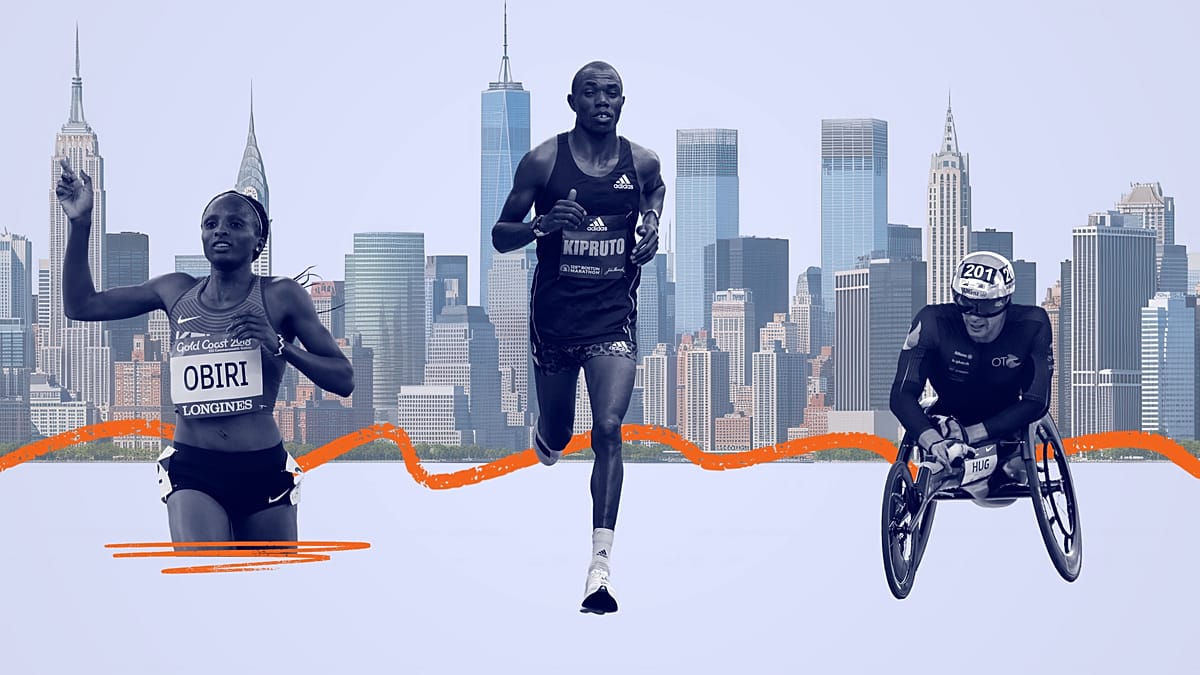
The marathon is one of the few events where elite athletes compete alongside amateurs, a unique aspect that adds to its allure. This year, defending champions Hellen Obiri of Kenya, Benson Kipruto of Kenya, and Marcel Hug of Switzerland will return to defend their titles, offering spectators a chance to see world-record holders in action.
A race with humble beginnings
The New York Marathon's first edition in 1970 was a modest affair: four laps around Central Park, with an entry fee of one dollar and a total budget of $1,000. Of the 127 runners who started, only 55 finished. In 1976, the course was extended to cover all five boroughs, transforming the race into a citywide celebration. This year marks the 50th anniversary of that pivotal change.
The current course takes runners from Staten Island through Brooklyn, Queens, the Bronx, and Manhattan, finishing in Central Park. Each participant follows the same route, but every runner has their own goal and pace, from elite contenders to first-time marathoners.
Organisers have also set an ambitious fundraising target of $100 million for this year's event, underscoring the marathon's role as a platform for charitable giving. As the starting gun prepares to sound, the city braces for a day of endurance, community, and celebration.