When Noma reopens its doors in Copenhagen on Tuesday, it will do so without the man who made it a global culinary phenomenon. René Redzepi, the Danish chef who co-founded the restaurant in 2003 and steered it to three Michelin stars and five victories in the World's 50 Best Restaurants list, has stepped back from day-to-day operations. The restaurant is now under the leadership of long-time chefs, with a new monthly menu designed to emphasize seasonality.
The reopening marks a pivotal moment for a restaurant that has been at the centre of a storm since allegations of staff mistreatment surfaced. In the days before a planned pop-up in Los Angeles, The New York Times published accounts from former employees describing verbal abuse and physical assault by Redzepi and his deputies between 2009 and 2017. Redzepi, now 48, apologised in a tearful video on Instagram and announced his intention to "step away." He retains a creative director role but declined to be interviewed for this article.
A new chapter, but can trust be rebuilt?
New executive head chef Pablo Soto acknowledges the weight of the moment. "It's been crazy tough," he told reporters. "There's been a lot of media attention and questions about what we're doing, but we're still here standing." Soto says the restaurant has conducted an internal audit and implemented "many systems" to ensure staff well-being and growth. "We've gone through a period of crisis," he adds. "This means we need to be much more attentive to each individual."
The abuse allegations have been a long-running issue for Redzepi, who had faced criticism for years over his reliance on unpaid interns and reports of a toxic kitchen culture. The New York Times article, published just before the Los Angeles pop-up, brought the issue to a head. Redzepi's fall from grace has been seen by some as a reckoning for an industry often accused of tolerating bullying and intimidation.
Tom Sietsema, a food correspondent for the Washington-based outlet NOTUS, believes Noma's history of innovation will help it weather the storm—but only if Redzepi stays out of the spotlight. "I think Noma can survive René Redzepi's poor behaviour and egregiousness," Sietsema says. "I think that there remains curiosity about the restaurant. I think he would be wise to sort of stay in the shadows in the distance a little bit."
The restaurant is almost fully booked for its first three months, with guests paying 6,500 Danish kroner (approximately €870) per head for the menu with wine pairing. Soto shrugs off questions about reclaiming the Michelin stars, which the restaurant voluntarily relinquished this year. "For us, it's not about a single marker of excellence," he says. "It's about the experience and the team."
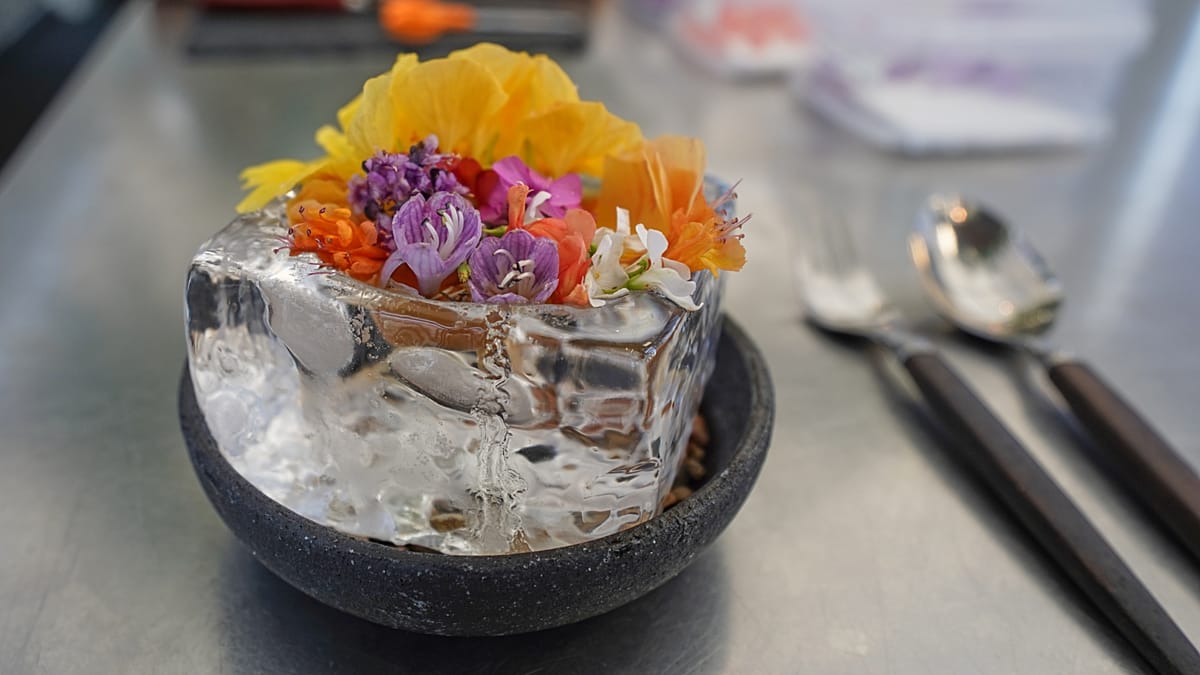
Noma, a contraction of the Danish words for "nordisk" (Nordic) and "mad" (food), was founded with a mission to rediscover wild local ingredients through foraging and to follow the seasons. The new menu will embrace constant change, moving away from the three distinct seasonal offerings of the past. In the test kitchen, head of research and development Mette Brink Søberg carefully tops a berry gazpacho with flower petals plucked from the nearby garden. "We feel that now we've done this for so many years, we've really become experts in all the flavours, the techniques, the concepts," she says. "I think we're ready to take one step further."
The reopening comes amid broader debates about labour practices in high-end hospitality, a topic that has also touched other European institutions. As Noma navigates its new path, the industry watches closely to see whether a restaurant can thrive without its iconic founder at the helm—and whether the changes are genuine or merely cosmetic. For now, Soto is focused on the future. "People are more aware of what's fair and what is not," he says. "People are looking for a little bit more of stability, not only learning a skill, but also something that can mean their lives."