For over a decade, scientists at the University of the Azores have been cataloguing debris washed up on the archipelago's shores. Among the usual flotsam, they kept noticing the same kinds of plastic objects—corners, clips, funnels, and tags from lobster traps. These items, stamped with identification numbers, turned out to be a transatlantic puzzle.
Christopher Pham, who leads the marine litter research group at the university, explained that the numbers were mandatory tags used by North American lobster fisheries. “We started to realise that these items, which at first we did not know where they came from, had certain numbers on them,” he said. “When we started to find quite a lot, we began trying to look up what they actually meant.”
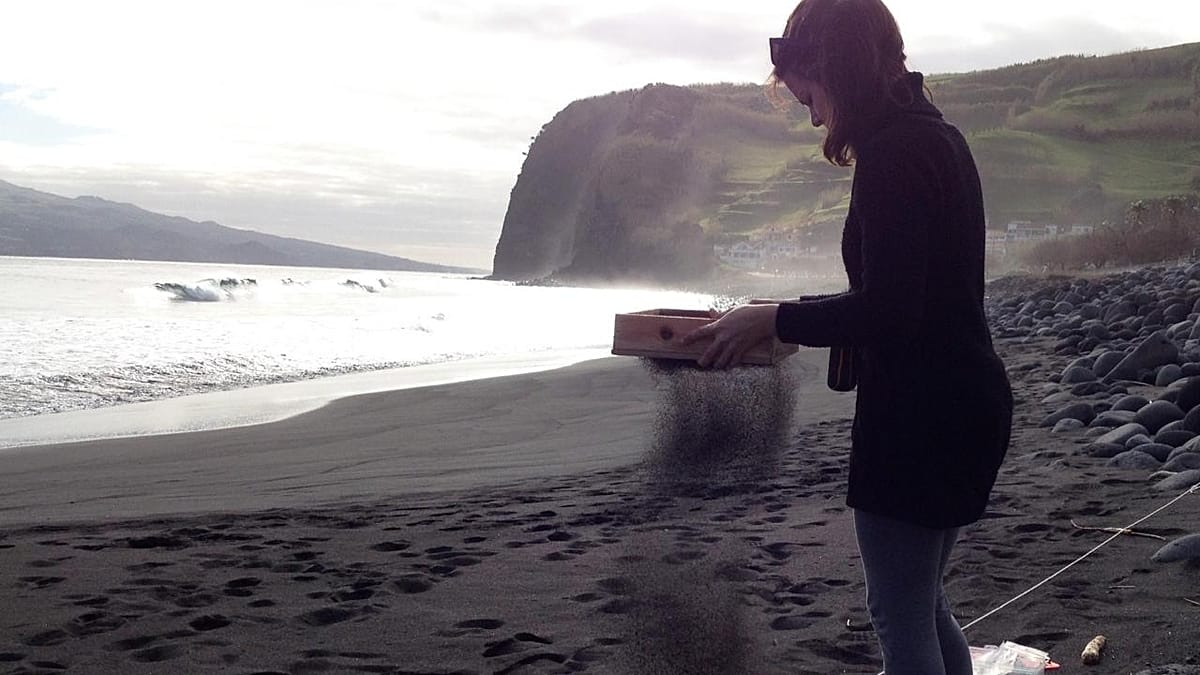
The tags revealed a clear origin: 63% came from the United States, primarily Maine (80%) and Massachusetts (11%), while 37% came from Canada, mainly Newfoundland and Labrador. The study, published this summer, documents more than 1,500 items collected between 2017 and 2025 on the beaches of Faial and Pico, two islands in the central Azores.
A direct link across the Atlantic
The journey from the North American coast to these mid-Atlantic islands spans over 3,000 kilometres. While the distance is vast, the finding is not entirely unexpected. Ocean currents in the North Atlantic circulate clockwise, carrying water and debris from west to east. “We know there is that direct link and it was to be expected that we would receive particles from this part of the Atlantic,” Pham noted. The study validates existing models of current, wind, and wave behaviour.
The waste does not stop at the Azores. Pham added that these lobster-fishing items are also common along the Portuguese mainland coast and have been found in England and Ireland. The research, involving local volunteers who collected samples monthly, highlights how an isolated archipelago is directly exposed to plastic pollution from a distant coastal fishery.
Plastic that lasts decades
Some of the tags were stamped with the year of registration, allowing researchers to date the debris. Most were between 7 and 13 years old, with the newest from 2023 and the oldest from 1983—meaning that piece of plastic had been in the ocean for over four decades. “Most of the items entered the sea many years ago,” Pham said. “That is also significant because it shows that plastic has enormous persistence in the environment.” He added that the tags are made from high-quality plastic, so older items may still be found.
The tagging system, required by US and Canadian regulations, provided the crucial data. Although rules differ between the two countries, the tags enabled researchers to trace the waste to its source.
Lobster fishing is a major industry in North America, with exports worth around €1.74 billion in 2020. An estimated three million traps are deployed off the US coast and two million off Canada each year. The scale of the industry explains the volume of debris reaching European shores.
Beyond lobster gear, Azorean beaches receive other fishing-related waste, but it is harder to trace. Trawl nets could come from anywhere from Greenland to Brazil, and octopus pots are used from Spain to Morocco. “We almost never know the precise geographic location,” Pham said. “Sometimes we have Chinese bottles, but we do not know if they come from China. They probably come from a Chinese ship that was offshore and threw the bottle into the sea.”
The most common waste, however, is small fragments of plastic—pieces of unrecognisable objects. Pham noted that these come from the vast amounts of plastic entering the ocean from coastal communities and rivers. The study underscores the global nature of plastic pollution and the need for better waste management, a topic that resonates with EU efforts to reduce waste.