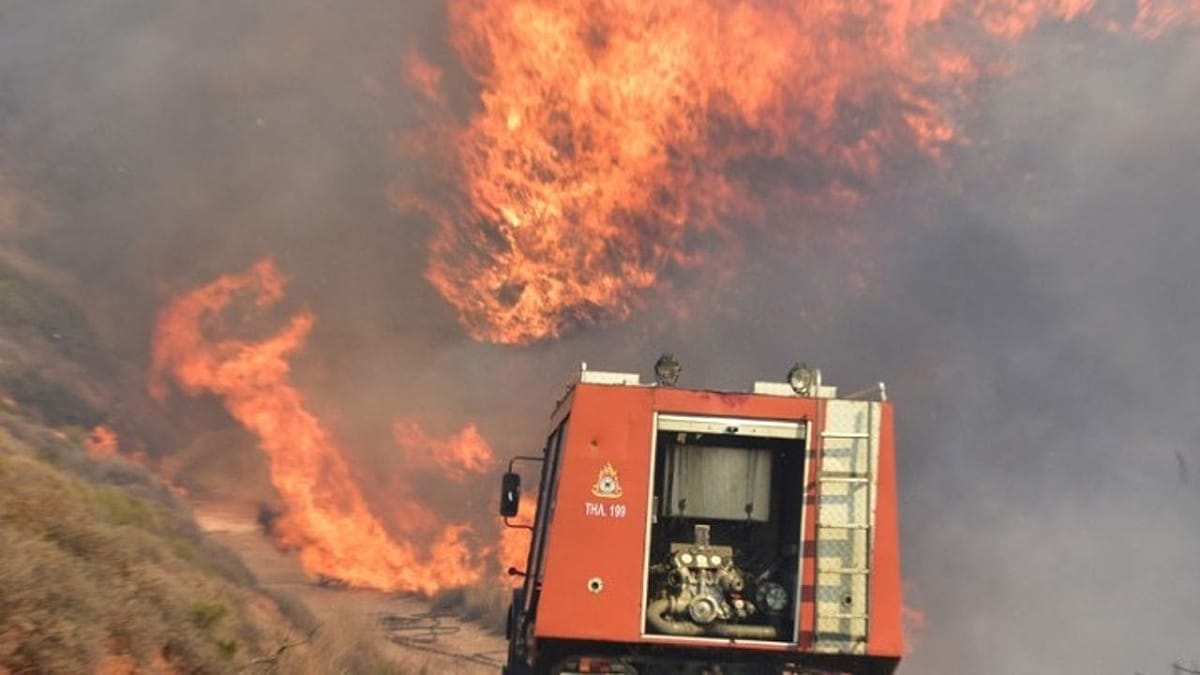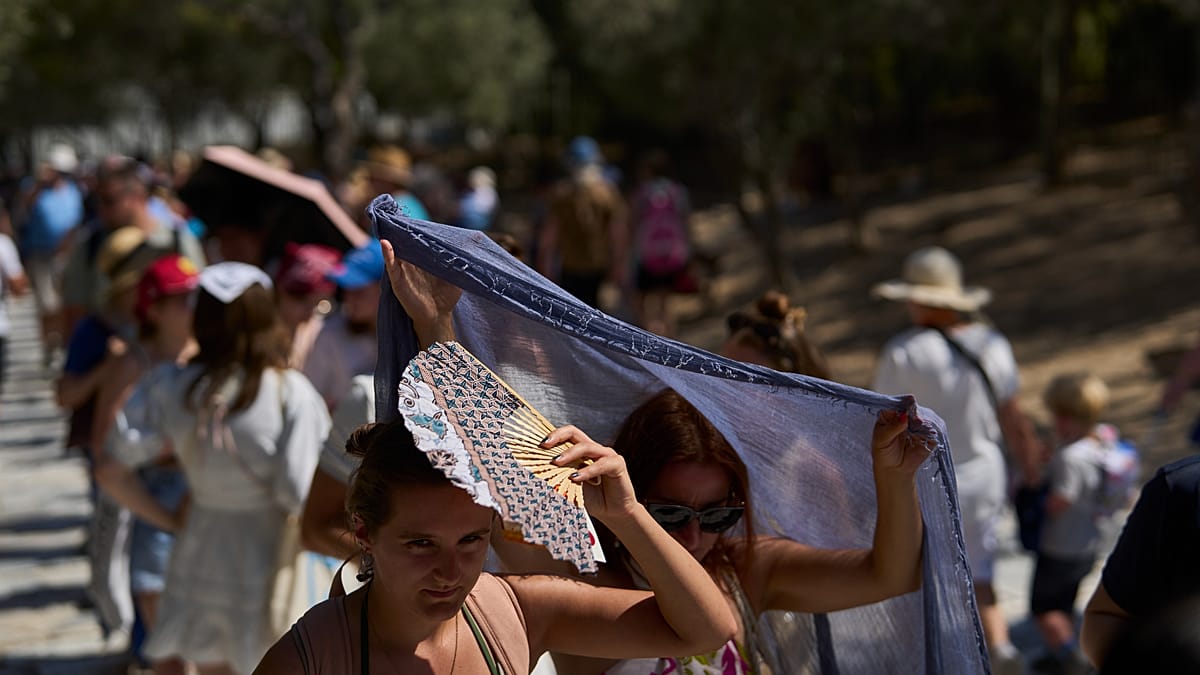
Last July, the Turkish resort city of Antalya recorded temperatures above 46°C, breaking local records. While the Mediterranean metropolis of 2.6 million residents plus millions of seasonal tourists is no stranger to heat, the nature of that heat has changed. "Heatwaves are longer, more intense and more frequent, straining our residents, our outdoor workers, our health services and the millions of visitors we host each year," says Melike Kireçcibaşı, Head of Antalya's Climate Change and Zero Waste Department.
Extreme heat has become the deadliest climate hazard globally, claiming nearly half a million lives annually. Europe's May heatwave, which pushed temperatures in France 10 to 15 degrees above normal and broke all-time spring records, prompted UN climate chief Simon Stiell to call it a "brutal reminder of the spiralling impacts of the climate crisis." With the World Meteorological Organization warning that a potentially powerful El Niño could amplify rising temperatures this summer, pressure on cities to act is mounting.
Fifty Cities, One Mission
On World Environment Day (5 June), more than 50 mayors from cities including Athens, Oulu, and Yangzhou launched the United Nations Environment Programme's '50@50' initiative. The goal is to share tested solutions, stress-test urban systems against future heat scenarios, and accelerate action before the next heatwave strikes. "Extreme heat is already reshaping daily life in cities around the world," says Inger Andersen, UNEP's Executive Director. "50@50 helps local leaders move faster by sharing practical solutions that protect people, reduce inequality and strengthen urban resilience."
Antalya's participation builds on the EU-supported CLIMAAX-MUHIR project, a province-wide heat-risk assessment. The findings were sobering: under a high-emissions scenario, some districts could see several-fold increases in heatwave frequency by mid-to-late century. The project also mapped where vulnerable populations and extreme heat intersect. Although built-up areas cover just 2.56% of Antalya's territory, they house about 56% of the population, and the highest-risk heat zones overlap almost exactly with where people live. "That tells us where to act first," says Kireçcibaşı. The resulting Heat Action Plan directs cooling infrastructure, shade, green spaces, early-warning systems, and health support to the neighborhoods that need them most.
Athens, another 50@50 participant, has developed an Urban Heat Atlas that identifies overlaps between heat exposure and social vulnerability. This is driving the redevelopment of Elaionas, one of the city's most thermally vulnerable districts, where a 215,000-square-metre metropolitan park is being created. Athens has committed to planting 5,000 trees annually; since 2024, more than 12,400 have been planted, with progress tracked in real time through the Athens Trees digital platform. "Combined with school gardens, microforests, neighbourhood parks and cooling elements in public spaces, these interventions are helping us create a cooler and healthier urban environment," says Elissaios Sarmas, CEO of Develop Athens.
Both cities hope their hotspot-mapping techniques will be among the most transferable contributions to the 50@50 network. Paris, which conducted a 50°C simulation exercise to stress-test its systems against temperatures scientists say it will eventually face, is now helping extend that model across the network. "Extreme heat is becoming a defining challenge for cities worldwide," says Emmanuel Grégoire, Mayor of Paris. "Cities must act together to anticipate extreme heat and protect their residents. Cooperation is our most powerful tool." Over the next year, a dozen cities will conduct their own extreme heat stress tests with support from UNEP, the C40 Cities Climate Leadership Group, and the City of Paris.
Perhaps the most striking signal of how far extreme heat has spread comes from Oulu, Finland, the EU's northernmost large city near the Arctic Circle. Last year, Finland endured three consecutive weeks of 30°C temperatures in a "truly unprecedented" heatwave. An ice rink in the north opened as a cooling shelter, local hospitals were overwhelmed, and concerns arose over reindeer welfare. "The urban heat islands are starting to form," notes the city's climate team. Oulu's participation in 50@50 underscores that no European city, regardless of latitude, can afford to ignore the threat.
The initiative builds on broader European efforts to adapt to climate change. As Spanish coastal waters hit record May temperatures and record May heat across Europe signals a summer of extremes, the need for coordinated urban action has never been clearer. The 50@50 network aims to turn knowledge into action, ensuring that cities from the Mediterranean to the Arctic Circle are prepared for the heatwaves to come.