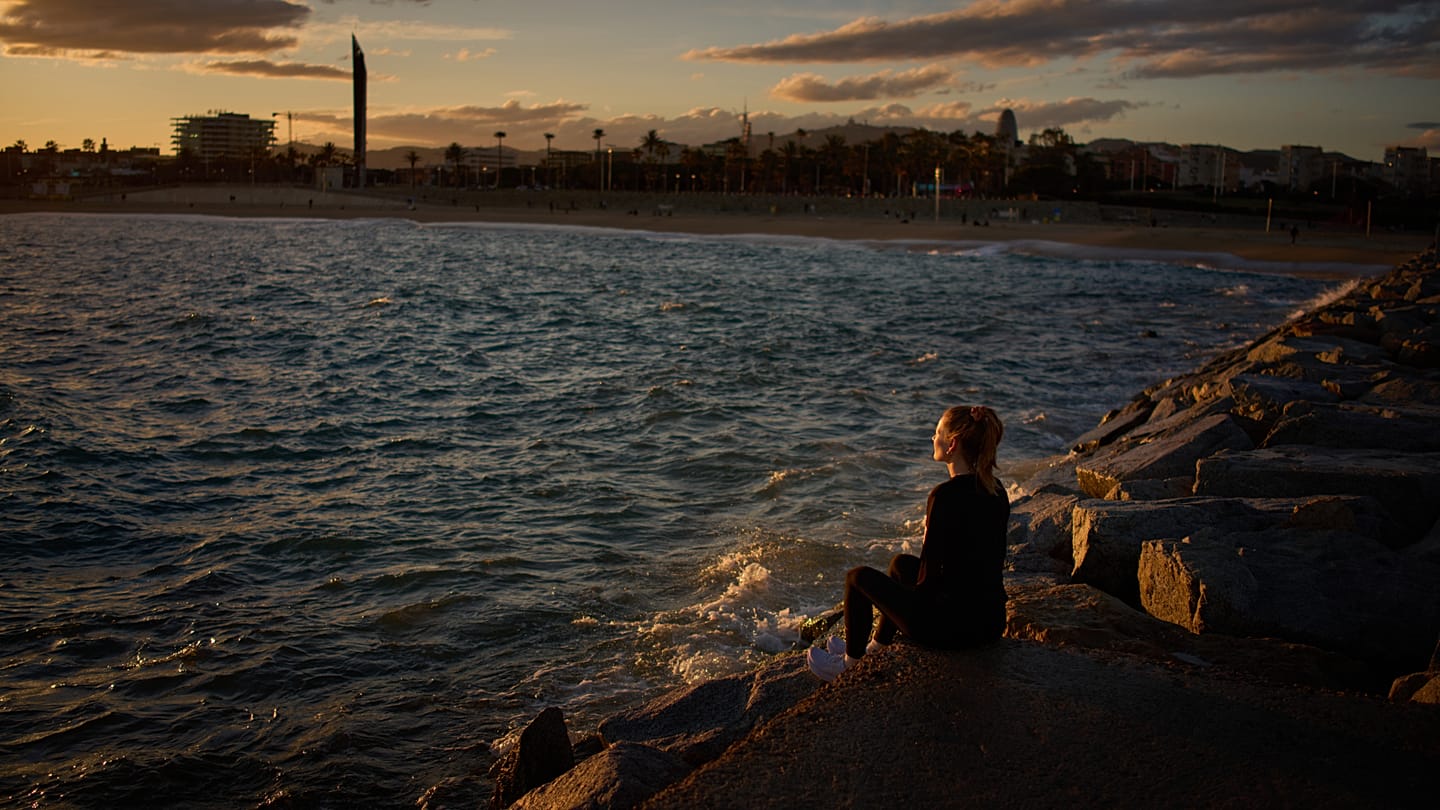
Spain's coastal waters have registered unprecedented temperatures for the month of May, according to data from the State Ports monitoring network. Of the 29 buoys operated by the agency, 18 recorded all-time highs for the month, spanning from the Atlantic shores of Galicia and the Cantabrian coast to the Mediterranean basin. The highest reading—26.58°C—was measured off the port of Mahon on the island of Menorca.
The findings come on the heels of an extreme heatwave that swept across the Iberian Peninsula in late May, pushing air temperatures above 40°C in several inland cities, including Seville and Córdoba. The marine heatwave, however, is not merely a reflection of a few hot days; it is part of a broader trend that scientists have been tracking for years. Europe's AC Gap: 68% of EU Homes Lack Cooling as Heatwaves Intensify highlights the continent's uneven preparedness for rising temperatures.
Record Readings from Galicia to the Balearics
The State Ports network, which maintains buoys along Spain's entire coastline, reported that the anomalies were not confined to any single region. In the northwest, buoys off the coast of Galicia—typically among the coolest waters in Spain due to Atlantic currents—registered May records. Similarly, buoys in the Cantabrian Sea, along the northern coast of the Basque Country and Cantabria, broke previous highs. In the Mediterranean, the warming was most pronounced around the Balearic Islands and the Costa Blanca.
The buoy off Mahon, which has been collecting data since 2007, recorded a daily average of 26.58°C, surpassing the previous May record of 25.9°C set in 2022. Other notable readings include 25.2°C off Barcelona and 24.8°C near Valencia. These figures are more typical of late July or August, when solar heating peaks.
“We are seeing a clear acceleration in the warming of surface waters in the Mediterranean,” said Dr. Elena García, a marine climatologist at the Institute of Marine Sciences in Barcelona. “The combination of atmospheric heatwaves and reduced wind mixing is creating conditions that favor rapid temperature spikes.”
Implications for Marine Life and Coastal Communities
Marine heatwaves have well-documented consequences for ecosystems. In the Mediterranean, they have been linked to mass mortality events among corals, sponges, and seagrass meadows. The Posidonia oceanica meadows, which are crucial for carbon sequestration and coastal protection, are particularly vulnerable. Prolonged exposure to temperatures above 26°C can trigger die-offs, as seen during the 2022 heatwave that devastated seagrass beds off the coast of the Balearics.
Fisheries are also affected. Warmer waters alter the distribution of fish stocks, pushing species like anchovies and sardines northward or into deeper, cooler layers. This can disrupt the livelihoods of small-scale fishers in ports from Almería to Girona. Heatwaves Increase Preterm Birth Risk Across Europe, Study Finds underscores the broader public health implications of extreme heat, which extend beyond the marine environment.
The tourism sector, a cornerstone of Spain's economy, faces a double-edged sword. While warmer sea temperatures may extend the swimming season, they also increase the risk of harmful algal blooms and jellyfish outbreaks, which can deter visitors. Coastal municipalities from Málaga to Barcelona are already investing in monitoring and mitigation strategies.
European Context and Policy Responses
Spain is not alone in experiencing anomalous marine heat. In 2023, the Mediterranean Sea as a whole recorded its highest surface temperature on record, exceeding 28°C in some areas. The European Union's Copernicus Climate Change Service has warned that the region is warming 20% faster than the global average, making it a climate change hotspot.
In response, the European Commission has included marine heatwaves in its EU Slashed Fossil Fuel Imports by €50 Billion in 2025 framework, which ties climate adaptation funding to emissions reductions. Spain's own national adaptation plan, updated in 2024, includes measures to protect coastal ecosystems and diversify tourism offerings away from peak summer months.
Yet critics argue that adaptation efforts are lagging. “We are still treating these events as anomalies rather than the new normal,” said Dr. García. “The data from May should be a wake-up call for policymakers in Madrid and Brussels.” Europe's Heatwave Drives Solar Surge, Negative Power Prices, and Grid Strain illustrates how extreme heat is reshaping energy markets, adding another layer of complexity to the challenge.
As the summer months approach, the State Ports network will continue to monitor conditions. If the current trends persist, June and July could bring even higher readings, with potential consequences for the entire western Mediterranean basin.