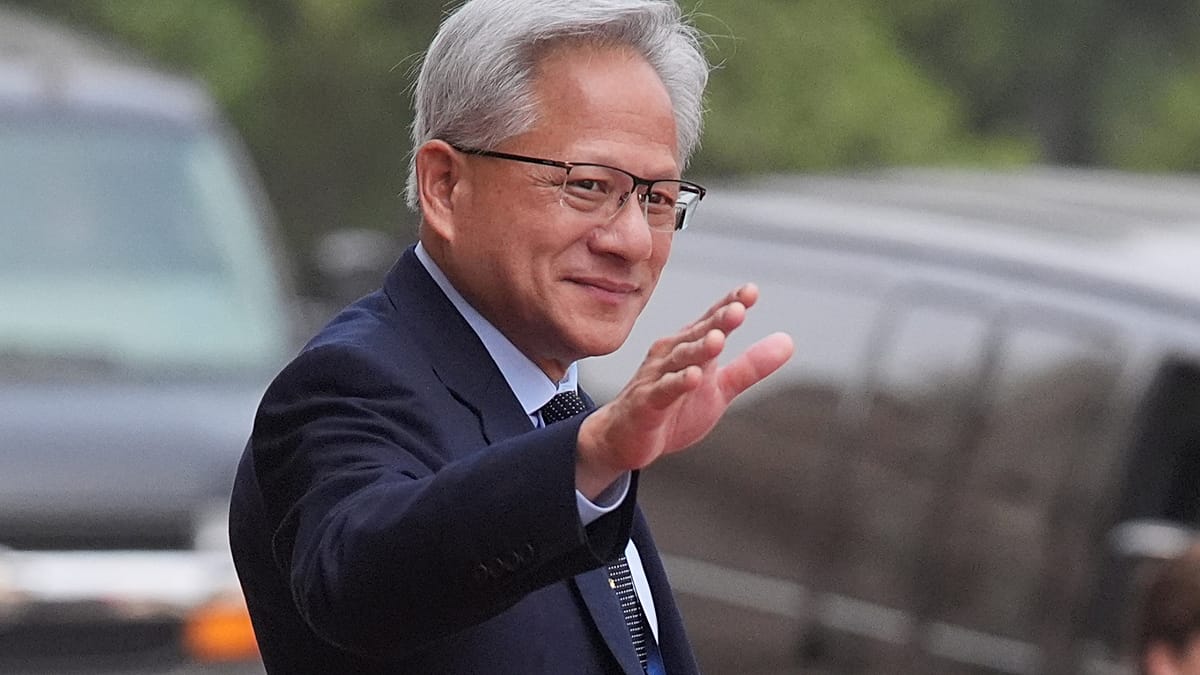
Jensen Huang, the co-founder and long-time chief executive of Nvidia, has resigned with immediate effect, following reports that he had a relationship with a woman suspected of being a Chinese intelligence operative. The announcement, made by the company's board on Thursday, marks a dramatic fall for one of the most influential figures in the global technology industry.
Huang, 63, stepped down as president, chief executive, and board member. The board has appointed Colette Kress, Nvidia's chief financial officer, as interim CEO. She will retain her finance role while the board searches for a permanent successor, both internally and externally. Harvey C. Jones has been named the company's first-ever board chair.
"NVIDIA's strength has always come from its people, and together with our leadership team, I am committed to building on the extraordinary foundation Jensen created over the last 33 years," Kress said in a statement.
Scandal and investigation
The resignation comes after days of intense scrutiny. The New York Times reported that Huang had a relationship with Alice Huang, a senior executive at Singapore-based data centre company Megaspeed. US intelligence reportedly circulated a memo last spring alleging that Alice Huang, also known as Huang Le, was an operative for China's Ministry of State Security. She was reportedly being monitored over possibly steering AI chips to China. Megaspeed runs data centres across Southeast Asia and has become Nvidia's largest customer in the region.
In an email to staff on Sunday, Jensen Huang admitted to the affair. "I was unfaithful to my wife. My actions hurt her and our children. There is no excuse for what I did," he wrote. He added that he supported the board's investigation and would "cooperate fully".
The board had opened an independent investigation after Huang admitted to the extramarital relationship. The New York Times later reported a second affair, with a married healthcare executive who reported to him, which may have violated the company's code of conduct.
In a statement, Nvidia's board said it had "no reason to believe" that either national security or Nvidia's secrets were compromised, but that a thorough independent investigation would be carried out. The company's shares tumbled on the news, reflecting investor uncertainty about the leadership vacuum at the AI chip giant.
China has denied any involvement. A spokesperson said: "The report in question is based on groundless speculation and is nothing more than an attempt to smear China."
The scandal has also drawn political attention. Former US President Donald Trump has publicly defended Huang, while the affair has become a talking point in Washington's broader concerns about technology transfers to China. The situation has echoes of other cases where US executives have faced scrutiny over ties to foreign intelligence services.
For Europe, the development is significant. Nvidia's chips are central to the AI boom that is reshaping industries across the continent, from automotive manufacturing in Germany to financial services in London and Paris. European regulators and businesses will be watching closely to see how the leadership change affects the supply of advanced processors and the pace of AI adoption in the region.
As the board begins its search for a permanent CEO, the company faces the challenge of maintaining its dominant position in the AI chip market while navigating a leadership crisis. The interim arrangement with Kress, a seasoned executive, provides some stability, but the long-term direction of the company remains uncertain.