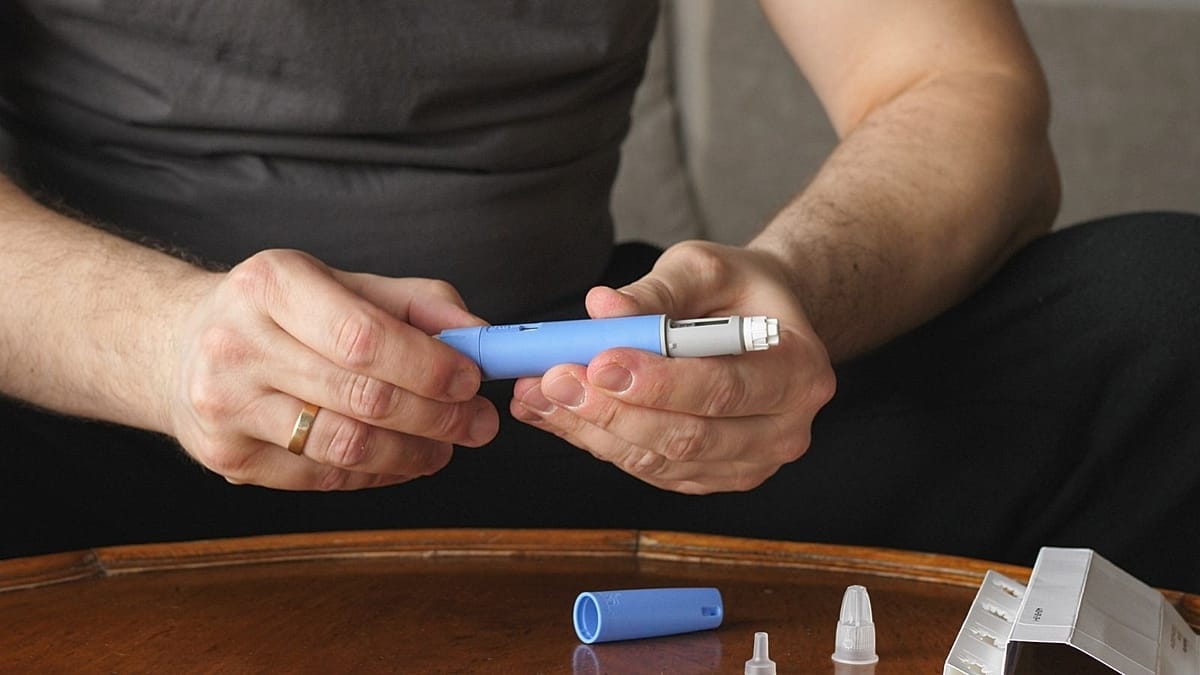
Millions of people across Europe and beyond have turned to drugs like Ozempic and Mounjaro to shed weight, but a comprehensive new study suggests that the benefits may stop at the scale. Published in The BMJ, the analysis of 262 clinical trials involving roughly 100,000 participants and 19 different medications found that most of these drugs do not deliver clinically meaningful improvements in quality of life after one year of use.
The researchers, who examined standard health-related quality-of-life questionnaires, compared changes in scores among those taking weight-loss drugs against those relying solely on lifestyle modifications. Across the main treatments, there were no significant enhancements in well-being beyond what could be achieved through diet and exercise alone.
Weight Loss vs. Broader Health
“Most agents do not improve quality of life meaningfully and few show cardiovascular benefits,” the authors wrote. The study also revealed that greater weight loss was consistently associated with higher rates of adverse events and treatment discontinuation. Among the drugs studied, tirzepatide—the active ingredient in Mounjaro and Zepbound—and CagriSema, which is not yet approved for clinical use, produced the most substantial reductions in body weight for overweight adults. Subcutaneous semaglutide, used in Ozempic and Wegovy, had the strongest evidence for reducing mortality and major cardiovascular events.
However, both tirzepatide and semaglutide were linked to a harmful reduction in lean mass—the total weight of the body minus fat mass. Low lean mass has been associated with a higher risk of falls, bone fractures, and early death. The study’s authors noted that most trials had short follow-up periods and called for more research into newer drugs to understand their long-term impact.
Researchers not involved in the study caution that findings on quality of life require careful interpretation. “Quality of life is complex and varies between individuals. While standardised measures provide valuable information, they may not capture all aspects of treatment experience that matter to people living with obesity,” said Marie Spreckley at the University of Cambridge.
The study underscores that treating obesity is about more than losing weight. Obesity is increasingly recognised as a complex chronic disease, and relying solely on weight loss as a measure of success may oversimplify both benefits and harms while reinforcing stigma. “The study fits with what we already knew: some medications lead to substantial weight loss, but losing weight does not automatically mean improving every aspect of health,” said José M. Ordovás at Tufts University, who did not participate in the study.
For European readers, the findings are particularly relevant given the continent’s high rates of obesity and the growing popularity of these drugs. The European Medicines Agency has approved several of these medications, and their use has surged in countries like Germany, France, and the UK. The study’s results may prompt a reassessment of how these drugs are prescribed and what outcomes patients and doctors should prioritise.
In related news, European authorities have been cracking down on counterfeit versions of these drugs. The European Anti-Fraud Office (OLAF) recently busted a cross-border smuggling ring that was trafficking fake condoms and counterfeit weight-loss pens, highlighting the risks of unregulated markets.
As the debate over obesity treatments continues, this study serves as a reminder that weight loss alone is not a panacea. For patients and clinicians across Europe, the focus should remain on holistic health outcomes rather than just the number on the scale.