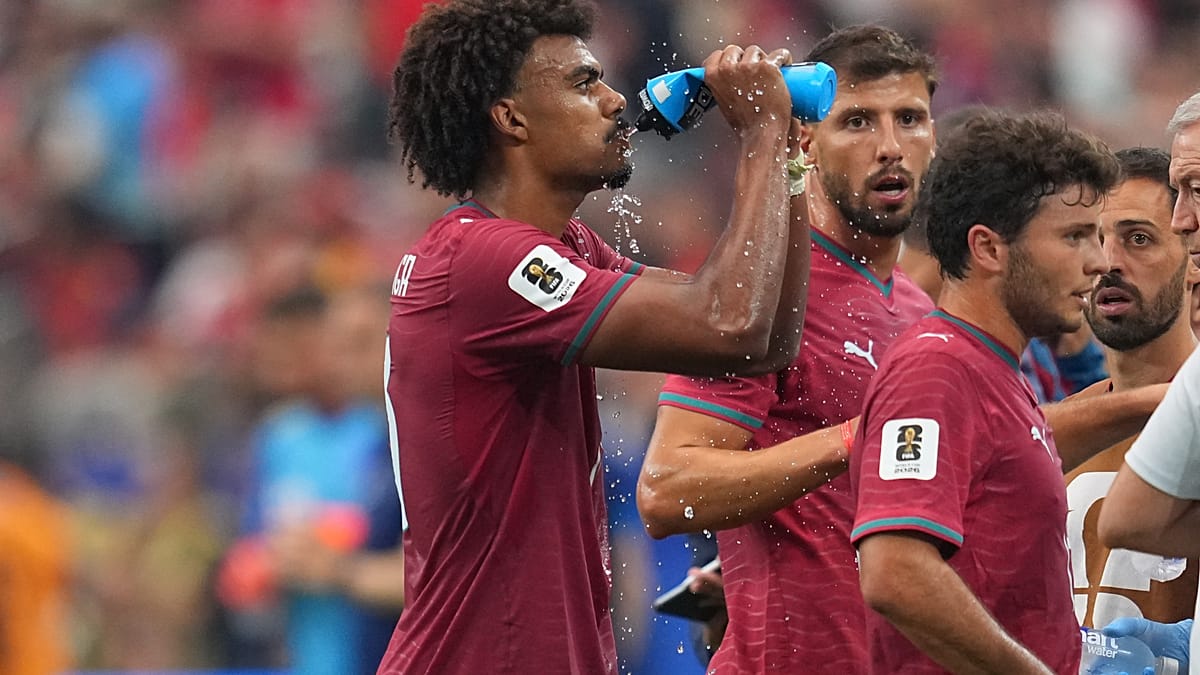
As the World Cup continues to draw global attention, a debate is heating up—literally. Scientists are questioning whether FIFA's current hydration breaks are adequate to protect players competing in extreme heat conditions. While some critics argue that these breaks disrupt the flow of the game, researchers contend that more robust measures are needed to safeguard athlete health.
The Limits of Current Hydration Breaks
FIFA introduced hydration breaks during matches played in high temperatures, typically allowing a short pause for players to drink water. However, a growing body of research suggests that these brief intervals may not be sufficient. Studies indicate that core body temperatures can remain dangerously elevated even after a short break, especially when players are exposed to intense physical exertion under a scorching sun.
Dr. Elena Martini, a sports physiologist at the University of Milan, explains: "A three-minute break to sip water is not enough to lower core temperature significantly. Players need longer cooling periods and active cooling strategies, such as ice vests or cold towels, to reduce heat-related risks."
This concern is particularly relevant for tournaments held in regions with extreme climates. The 2022 World Cup in Qatar, for instance, saw matches played in temperatures exceeding 40°C, despite being scheduled in November. Similar conditions could arise in future tournaments across Europe, where heatwaves are becoming more frequent and intense due to climate change.
Active Cooling: A Potential Solution
Researchers advocate for active cooling measures, which go beyond passive hydration. These include the use of cooling vests, cold water immersion, and ice packs applied to key areas like the neck and groin. Such methods have been shown to lower core body temperature more effectively than drinking water alone.
"Active cooling is standard practice in many sports, such as American football and tennis, where players use ice towels between sets," notes Dr. Martini. "Football should adopt similar protocols, especially during matches played in extreme heat."
FIFA has faced pressure to update its guidelines, but progress has been slow. Critics argue that the organization prioritizes the spectacle of the game over player safety. However, proponents of change point to successful trials in other sports, where cooling breaks have reduced heat-related incidents without significantly disrupting play.
European Perspectives on Heat and Sport
Europe is no stranger to heat-related challenges in sports. In recent years, the German Football League has implemented heat protocols during summer matches, including additional water breaks and the use of cooling equipment. Similarly, the Italian Serie A has experimented with mid-match cooling periods during heatwaves.
These measures reflect a broader trend across the continent, where climate change is forcing sports organizations to adapt. The European Commission has also funded research into heat stress in athletes, highlighting the growing recognition of the issue.
Yet, the debate over hydration breaks is not just about science—it also touches on the culture of football. Traditionalists argue that frequent interruptions undermine the sport's rhythm, while modernizers emphasize player welfare. Finding a balance will require input from players, coaches, and medical experts.
What Next for FIFA?
As the World Cup evolves, so too must its safety protocols. FIFA has the opportunity to lead by example, setting standards that protect players without compromising the integrity of the game. The organization could mandate longer cooling breaks during extreme heat events, provide teams with access to active cooling equipment, and invest in research to refine these measures.
For now, the question remains: are hydration breaks enough? The evidence suggests not. As temperatures rise globally, the answer will have implications not only for football but for all outdoor sports. Europe, with its diverse climates and strong sporting traditions, is well-positioned to champion these changes.