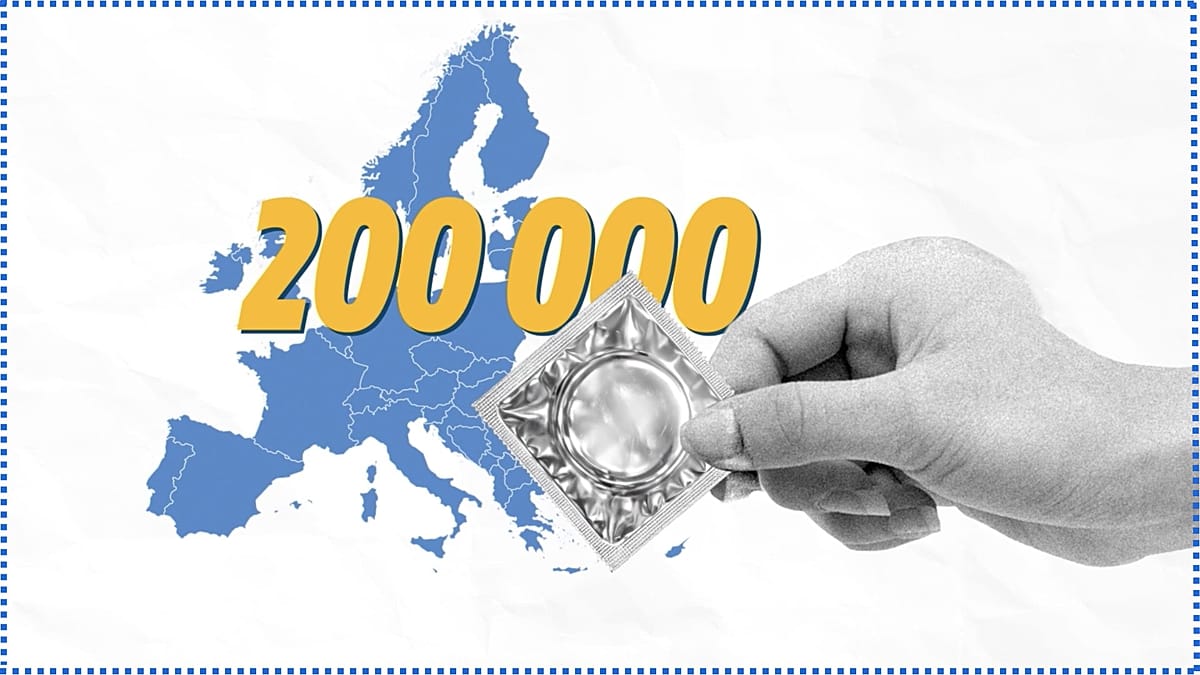
European anti-fraud investigators have dismantled an international smuggling network that attempted to slip more than 200,000 counterfeit condoms past border controls by labelling the packages as children's toys. The European Anti-Fraud Office (OLAF) announced the bust this week, revealing that the fake products were destined for markets across the continent.
The smugglers targeted three main entry points: Romania, Serbia and Spain. When border teams intercepted the shipments, they traced the origin to a single supplier in China. The black-market value of the seized consignment is estimated at over €200,000, but OLAF warns that the potential health costs are far higher. These untested condoms, the agency says, can spread infections and lead to unplanned pregnancies.
A Broader Black Market Boom
The condom seizure is not an isolated incident. It forms part of a larger wave of counterfeit medical products flooding European markets. Last year, a global Interpol operation seized €57 million worth of fake medicines, including 50 million doses of unapproved drugs. Across Europe, the main targets were counterfeit weight-loss pens and cosmetic or performance-enhancing peptide supplements.
Criminals no longer rely solely on the dark web to distribute their goods. Instead, they flood social media platforms with adverts for knockoff products, reaching consumers directly through their feeds. This shift has made enforcement more challenging, as illicit sellers can quickly set up new accounts after being shut down.
Brussels has framed the OLAF raid as evidence that European enforcement mechanisms work. But the case also reveals how easily criminals exploit gaps in the system. With countless shipments likely going undetected, the continent remains vulnerable to black-market fakes. As one OLAF official put it, “We catch what we can, but the volume is staggering.”
The problem extends beyond health risks. Counterfeit goods undermine legitimate businesses and erode consumer trust. In a related case, French authorities in Le Havre recently destroyed 38,000 counterfeit trainers after a 15-year legal battle, illustrating the long tail of anti-counterfeiting efforts. Le Havre Destroys 38,000 Counterfeit Trainers After 15-Year Legal Battle.
For European consumers, the message is clear: when buying medical products online, verify the source. The European Medicines Agency recommends purchasing only from licensed pharmacies or official distributors. But with social media adverts blurring the lines between legitimate and illicit, vigilance is more important than ever.
The OLAF investigation is ongoing, and the agency has not disclosed whether any arrests have been made. However, the case has reignited debate about the need for stronger border controls and better coordination among member states. As the EU continues to grapple with the influx of counterfeit goods, the question remains: can enforcement keep pace with the ingenuity of smugglers?