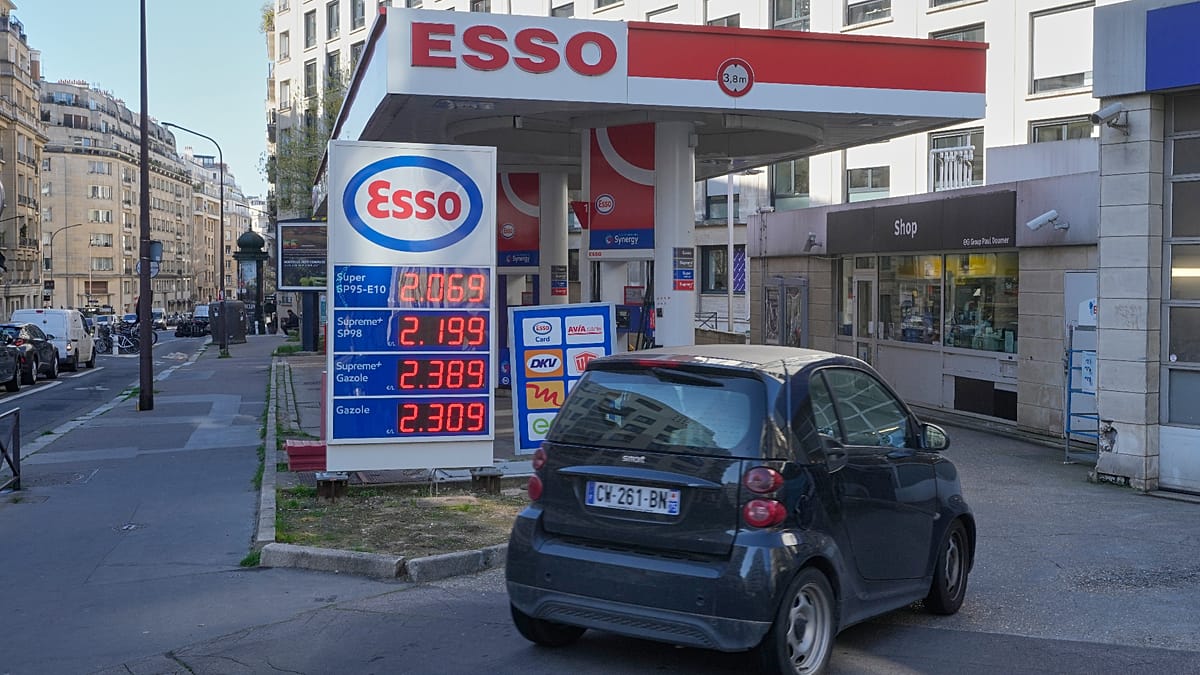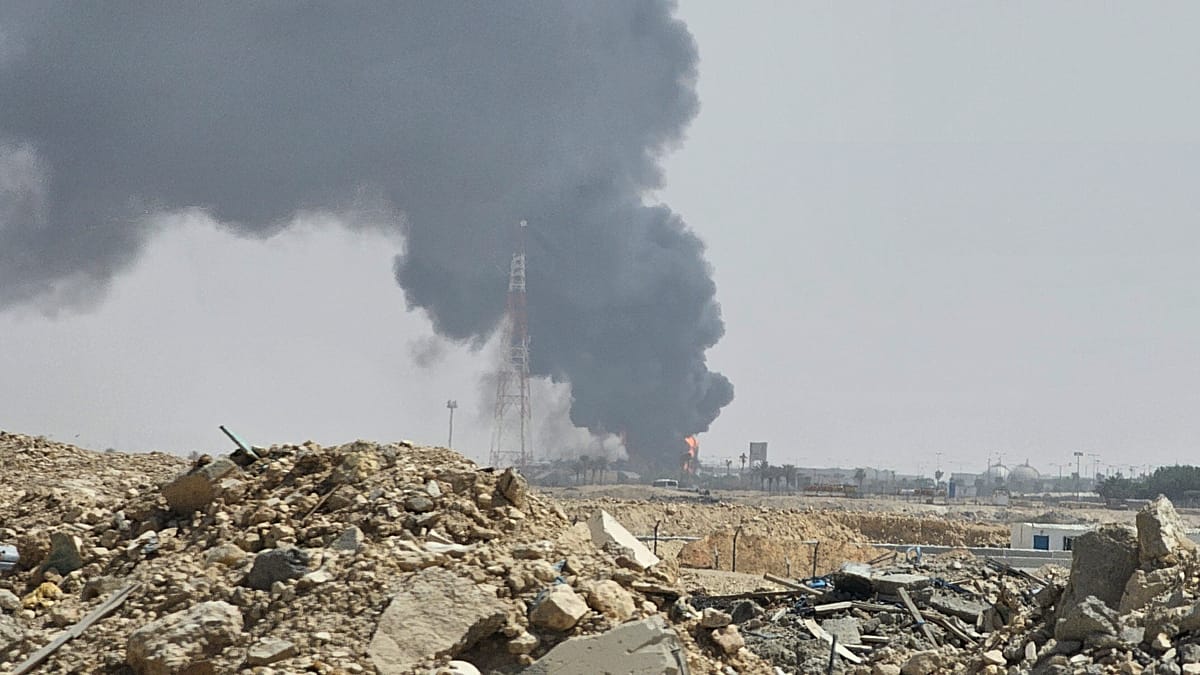
Oil prices held near five-month highs on Tuesday morning, with Brent crude trading around $110 a barrel as markets weighed the threat of further Iranian actions in the Strait of Hormuz. Despite relatively steady flows from the Persian Gulf, the premium embedded in prices reflects persistent uncertainty over supply security.
US benchmark West Texas Intermediate also stayed firm, above $104 a barrel for next-month delivery. Analysts at ING noted that the sustained high prices, even with strong flows, "suggest the market is pricing in a significant risk premium, given the situation's volatility." They see little sign that this premium will erode soon.
Adding to the cost pressure, tanker freight rates have hit record levels. Washington is reportedly considering allowing sanctioned tankers to re-enter the legitimate market, which could expand shipping capacity and lower delivery costs. However, ING strategists caution that it is unclear how much capacity would actually be added or how quickly it could ease prices.
US Energy Secretary Chris Wright told Fox News that crude flows from the Gulf have recovered to roughly 80% of their pre-war level, though refined product supplies face tighter constraints.
Gas and shipping risks
Asian spot LNG prices jumped to $30.4 per million British thermal units on Monday, the highest since December 2022, according to Bloomberg. The rise follows a report from UK Maritime Trade Operations that an LNG tanker came under fire from a small boat off Yemen on Saturday, heightening concerns about the safety of energy shipments in the region.
European gas prices also remain elevated. Dutch TTF futures for next-month delivery traded just below €88 per megawatt-hour on Tuesday morning, easing slightly from above €89 earlier, according to ICE data.
European stocks slip
European equity markets opened with modest losses, extending Monday's decline when French stocks and bonds led the fall. Protests in France weighed on sentiment, drawing attention to the strained finances of the eurozone's second-largest economy. The FTSE 100 in London and the CAC 40 in Paris each lost 0.2%, while Frankfurt's DAX fell more than 0.4%.
In the UK, investor sentiment got a slight boost from reports that Chancellor John Healey will not raise capital gains tax in next week's Budget. The current rates are 18% for basic-rate taxpayers and 24% for higher-rate taxpayers, compared with income tax rates of 20% to 45%.
UK labour market data also came in stronger than expected. The unemployment rate dropped to 4.7% in the three months to August, down from 4.9%, and payrolled employees rose by 13,000, the biggest increase in a year. These figures could give the Bank of England more room to keep its key interest rate steady while it tackles inflation.
Asian tech sell-off
In Asia, technology shares led heavy losses as investors shrugged off a rebound on Wall Street, amid growing doubts about the AI investment boom ahead of key earnings releases. Tokyo's Nikkei 225 fell 1.3%, with chipmaker Kioxia down nearly 2% and SoftBank plunging more than 5%. Hong Kong's benchmark lost 1.1%, and South Korea's Kospi dropped over 3.7% by the time European markets opened.
South Korean AI infrastructure firm Elice tumbled as much as 33% on its Kosdaq debut, reflecting concerns about borrowing costs, competition, and the long-term returns on AI spending. Taiwan's TSMC also traded lower, though the Taiex index edged up. Losses were seen in Sydney, Singapore, Wellington, and Manila.
The selling came despite a positive session on Wall Street, where the Nasdaq was lifted by gains in Amazon, Microsoft, and Nvidia. Attention now turns to earnings from SpaceX, Meta, and Tesla later this week.
Since markets hit record highs in June, investors have increasingly questioned whether tech valuations are justified, and when—if ever—the massive spending on AI will pay off. Rising interest rates have also raised concerns about heavily indebted firms, as higher borrowing costs squeeze their finances.
In bond markets, US, German, and French 10-year government bond yields eased slightly, with the US yield around 5.123%, France's at 4.903%, and Germany's at about 3.439% shortly after the European open. In currency trading, the dollar slipped to 158.45 yen, while the euro traded at $1.1225, little changed.