Oil markets are navigating a fresh wave of uncertainty after the United Arab Emirates confirmed its departure from the Organisation of the Petroleum Exporting Countries (OPEC) and its broader OPEC+ alliance. The exit, announced on Tuesday and effective from Friday, ends the UAE’s long-standing membership and introduces new questions about the cartel’s cohesion.
The decision comes at a time when global energy supplies are already strained by the ongoing conflict with Iran and the continued blockade of the Strait of Hormuz, a chokepoint for roughly 12% of the world’s oil shipments. Investors are now weighing the prospect of increased UAE output against the immediate risks to supply routes and the possibility that other producers may follow Abu Dhabi’s lead.
Markets reacted swiftly to the news. Oil futures initially dropped by 2% to 3%, particularly in contracts several months ahead, as traders priced in the potential for additional supply from the UAE. However, that decline was quickly reversed by the risk premium tied to the Middle East crisis and the stalled negotiations between Washington and Tehran. As of Wednesday, US benchmark West Texas Intermediate (WTI) was trading above $105 per barrel, while Brent crude, the international benchmark, exceeded $112. Both benchmarks are roughly 4% higher than the lows recorded immediately after the UAE announcement.
Why the UAE Left OPEC
The rift between Abu Dhabi and Riyadh has been simmering for years, largely over production quotas. The UAE has invested more than $150 billion (€128 billion) in its state-owned Abu Dhabi National Oil Company (ADNOC) to expand capacity to five million barrels per day. Under OPEC’s restrictive framework, much of that capacity remained idle, prompting the government to prioritise its national economic interests over collective discipline.
Maurizio Carulli, global energy analyst at Quilter Cheviot, highlighted the limitations this exit places on the remaining members. “Until tanker traffic through the Strait of Hormuz is safe again, OPEC’s ability to stabilise prices is sharply constrained, while US producers have gained outsized influence,” he said. The UAE has pledged to bring additional production to market in a “gradual and measured” manner, but the sudden lack of coordination within OPEC has introduced a new layer of uncertainty for global markets.
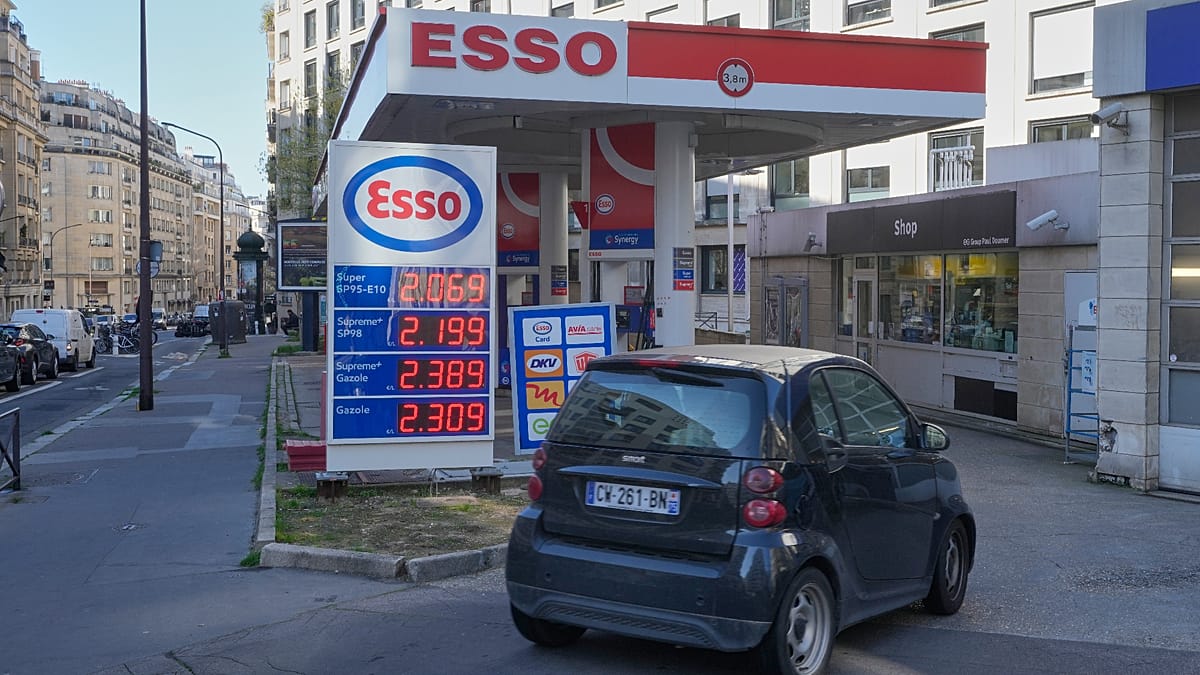
For European consumers, the ripple effects are already visible. Fuel prices across the continent remain elevated, with prices still 12% above pre-strike levels despite a fragile ceasefire. In countries like Latvia and Sweden, fuel costs surged over 20% after the Strait of Hormuz blockade began, underscoring the vulnerability of European economies to disruptions in Middle Eastern supply routes.
Strait of Hormuz Standoff
The security situation in the region remains precarious. Iran has proposed a ten-point plan to reopen the Strait of Hormuz, demanding a full withdrawal of the US naval blockade and an end to hostilities in exchange for restoring maritime traffic. US President Donald Trump, who recently extended a two-week ceasefire mediated by Pakistan, described the Iranian offer as “much better” than previous versions but stopped short of accepting it. Shortly after, Trump posted on social media claiming that Iran is in a “dire and desperate condition” with no leverage to negotiate. Washington continues to insist on a permanent settlement regarding Iran’s nuclear programme and an “unconditional” reopening of the waterway before sanctions are lifted.
The prolonged closure of the Strait of Hormuz has removed roughly 12% of global oil supply from the market, according to the International Energy Agency. Carulli noted that this disruption is “bigger than the Yom Kippur war, the Iran‑Iraq conflict, the invasion of Kuwait or even the fallout from Ukraine.”
Despite the geopolitical turmoil, energy equities have remained resilient. Carulli pointed out that “integrated majors such as BP, Shell, TotalEnergies, ENI, Chevron and ExxonMobil are benefitting from a price uplift that could add 5-10% to operating cash flow for every $10 increase in oil prices.” For European energy companies, this provides a buffer against broader economic headwinds, though the long-term outlook depends on the resolution of the current crisis.
The UAE’s exit from OPEC and the unresolved Iran conflict are likely to keep oil markets volatile in the coming weeks. European policymakers will be watching closely, as the continent’s energy transition and economic stability hinge on predictable supply chains. The recent uptick in European markets suggests some investor optimism, but the underlying risks remain substantial.