Oil prices fell on Tuesday as Donald Trump announced he was abandoning a planned military attack on Iran, temporarily easing supply concerns among market watchers. International benchmark Brent crude dropped 1.33% to trade at $110.61 per barrel, while US West Texas Intermediate futures fell 0.91% to $103.43 per barrel.
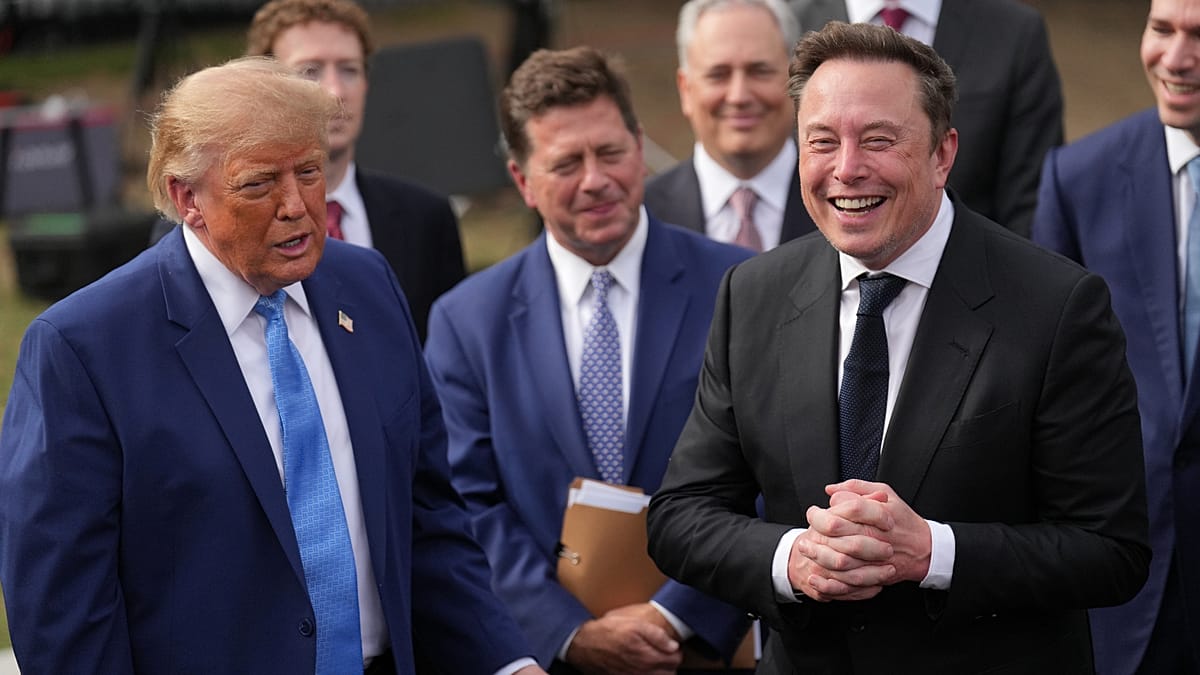
The US President said he was postponing the strike, which had been scheduled for Tuesday, at the request of Gulf leaders amid what he described as “serious negotiations” with Tehran. Trump’s sudden announcement on social media on Monday came after Iran said it had responded to a new US proposal aimed at ending the war.
IEA warns of rapidly depleting oil inventories
The latest update comes after Fatih Birol, the head of the International Energy Agency (IEA), told reporters on Monday at the Group of Seven finance leaders meeting in Paris that commercial oil inventories are depleting rapidly and the world only has a few weeks' worth of oil reserves left due to the Strait of Hormuz closure.
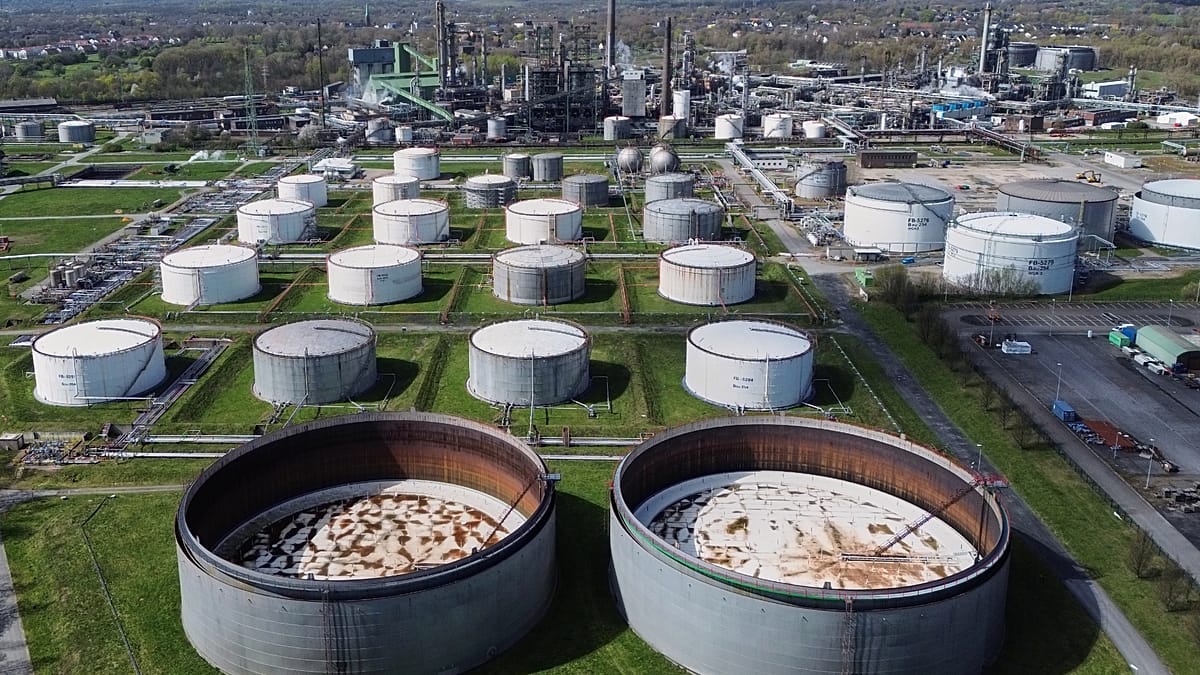
According to preliminary IEA data, global oil stockpiles fell by 129 million barrels in March and by a further 117 million barrels in April following US and Israeli strikes on Iran and the subsequent disruption to Gulf exports. The sharpest declines were recorded in OECD countries, where on-land inventories dropped by 146 million barrels. Visible stocks in non-OECD economies fell by 24 million barrels.
The agency said cumulative crude supply losses from Gulf producers have now exceeded one billion barrels, with more than 14 million barrels a day unable to leave the region. The IEA said demand could begin to recover later in the year if an agreement is reached to gradually restore flows through the Strait of Hormuz from the third quarter onwards.
The development comes as NATO military chiefs convene to address the strain the Iran war is placing on alliance munitions. Meanwhile, the EU's military chief has stated that Ukraine remains Europe's top security priority, even as tensions in the Gulf escalate.
The European Union, heavily reliant on energy imports, is closely monitoring the situation. Any prolonged disruption to Gulf oil flows could have significant economic repercussions for member states, particularly those in southern Europe such as Italy and Spain, which depend heavily on crude from the region.
Analysts caution that the reprieve in oil prices may be short-lived. “The underlying supply crunch remains severe,” said Carsten Fritsch, an energy analyst at Commerzbank in Frankfurt. “Unless a diplomatic breakthrough is achieved soon, we could see prices spike again.”
Trump’s decision to halt the strike has been met with cautious optimism in European capitals, though officials remain wary of the US president’s unpredictability. The ongoing trade tensions between Brussels and Washington add another layer of complexity to transatlantic relations.