Off the sun-drenched coast of Antalya, near the rocky islet of Kekova, researchers have uncovered what they believe is the oldest shipwreck ever found. The vessel, which sank sometime between 4,400 and 4,700 years ago, predates the Bronze Age collapse and offers a rare glimpse into early Mediterranean seafaring.
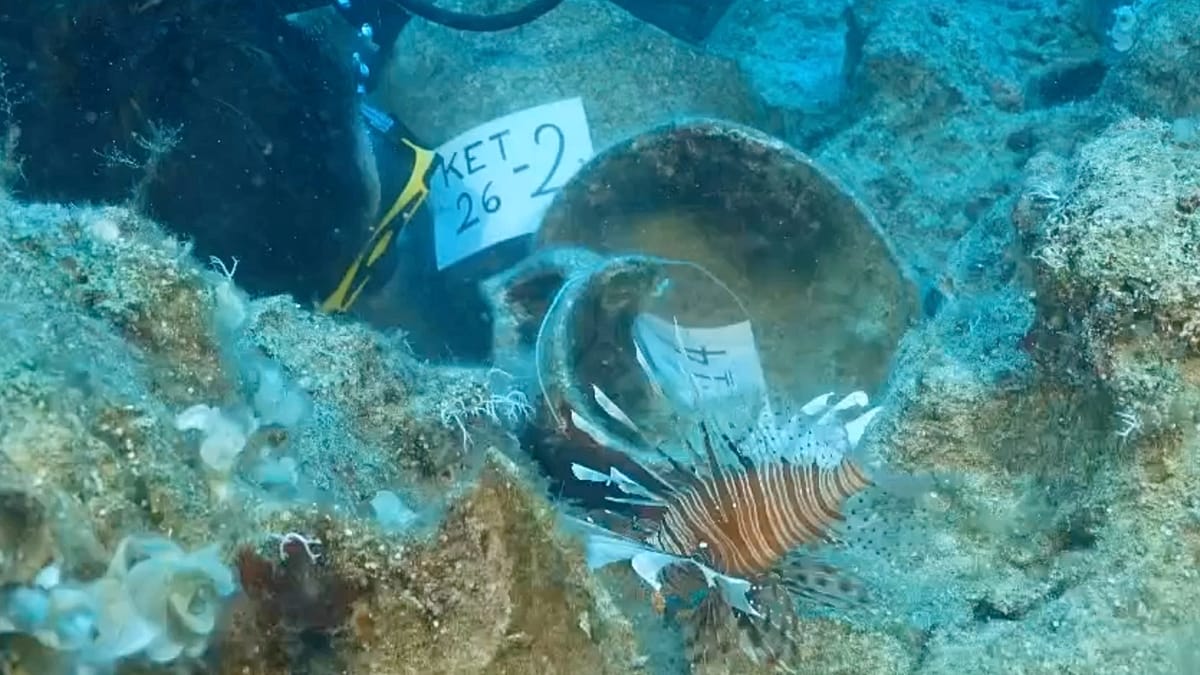
The ship's wooden hull has long since decayed, but the seabed still holds more than 30 ceramic storage jars and three stone anchors, resting about 30 metres below the surface. These artefacts, remarkably well preserved, have allowed archaeologists to date the wreck with confidence based on the pottery's shape and decorative style.
A window into ancient trade routes
The discovery was made by a team from the Antalya-based research vessel Kekova, which has been systematically surveying the region's underwater heritage. The wreck's location, along a busy maritime corridor between the Aegean and the Levant, suggests that even in the third millennium BCE, this stretch of water was a vital artery for commerce.
"This is not just a shipwreck; it's a time capsule that tells us how people moved goods and ideas across the Mediterranean," said Dr. Elif Özkan, the project's lead archaeologist. "The pottery we recovered is typical of the Early Bronze Age, and its presence here indicates that trade networks were far more extensive than we previously thought."
The recovered artefacts are now undergoing conservation at the Antalya Museum, where they will be studied in detail. Researchers hope that residue analysis on the jars might reveal what cargo the ship was carrying—perhaps wine, olive oil, or grain—shedding light on the economic life of the era.
This find also underscores the importance of protecting underwater cultural heritage. The Turkish authorities have already designated the site as a protected zone, and divers are prohibited from approaching without a permit. Similar wrecks in other parts of the Mediterranean have been looted, but here the team is working to ensure that the site remains intact for future study.
The discovery comes amid growing interest in the region's maritime past. Just last year, a team working off the coast of Cyprus found a Late Bronze Age vessel, but the Kekova wreck is significantly older. It also adds to a series of recent archaeological finds along Turkey's southern shore, which has become a hotspot for underwater research.
For historians, the wreck offers a tangible link to the world of the ancient Minoans and the early city-states of the eastern Mediterranean. It also raises questions about the technological capabilities of early shipbuilders, who managed to navigate open waters with relatively simple vessels.
As the conservation work progresses, the team plans to create a detailed 3D model of the site, which will be made available to researchers worldwide. The artefacts themselves will eventually go on public display, allowing visitors to see firsthand the remnants of a voyage that ended thousands of years ago.
The discovery is a reminder that the Mediterranean remains a vast repository of history, much of it still hidden beneath the waves. With each new find, we piece together a richer picture of the people who sailed these waters long before the rise of classical Greece or Rome.