Portugal's reputation for warmth has been reinforced once again, this time by the readers of Condé Nast Traveller. In the magazine's Readers' Choice Awards 2026, Porto was named Europe's most welcoming city, with Lisbon taking second place in the same category.
The accolade reflects a broader pattern: Portuguese cities have become fixtures in international surveys of traveller satisfaction, and the country's hospitality is frequently cited as a decisive factor in its appeal. For Porto, the recognition arrives as the city consolidates its position as a short-break destination that balances gastronomy, heritage and a relaxed pace of life.
What the ranking measures
The Condé Nast poll asks readers to identify places where hospitality is at its warmest and where visitors encounter locals willing to assist, whether the challenge is deciphering a neighbourhood restaurant's menu or navigating the metro. The criteria place human interaction, rather than infrastructure or attractions, at the centre of the travel experience.
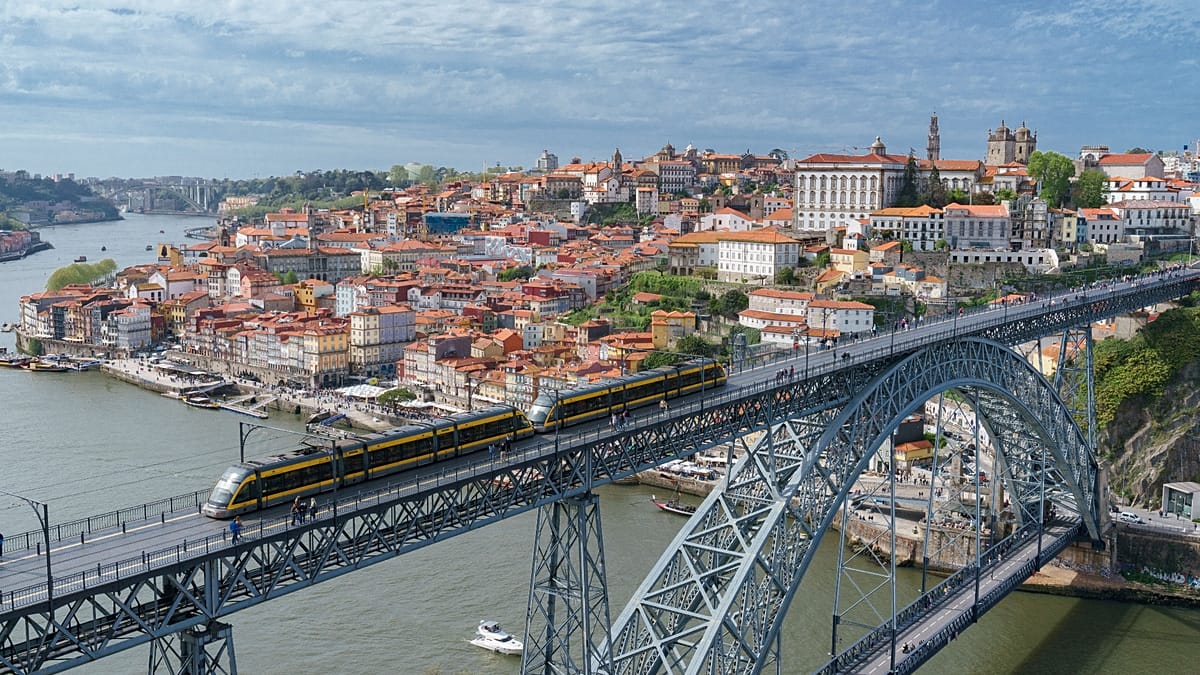
Porto, often called the Invicta, earned praise for its authenticity and unhurried atmosphere. The magazine highlighted the city's azulejo-tiled squares and the practice of sharing petiscos — small plates of local specialities — with residents in informal settings. That combination, readers suggested, helps explain why so many visitors return.
Unwind in a stunning square lined with azulejo tiles or share petiscos with residents in a neighbourhood restaurant, and you will quickly realise how generous hospitality has made Porto a destination many of us end up returning to time and time again.
The Portuguese capital followed closely. Condé Nast described Lisbon as one of Europe's most picturesque cities, built across the seven hills above the River Tagus, and noted its winding alleys, fado venues and pastéis de nata. But the magazine was clear that the city's youthful, inclusive character is what binds these elements together, with café culture and the Festival of Saint Anthony among the ways visitors can participate rather than merely observe.
The top five was completed by Amsterdam in the Netherlands, Stockholm in Sweden and Valletta in Malta — a spread that suggests travellers are rewarding compact, walkable cities with distinctive local identities.
A wider Portuguese moment
The result lands at a busy moment for Portugal's international profile. Porto and Lisbon have both featured prominently in recent travel and transport news, from the new Lisbon–Porto high-speed rail link to the cities tipped for 2027 city breaks. Lisbon has also appeared in cruise-industry recognition, as covered in our report on Lisbon's showing at the World Cruise Awards.
Not everything is postcard-perfect. Rising visitor numbers have intensified pressure on housing in both cities, a tension that has spilled into the streets. Our coverage of Portugal's housing protests documents how tourism's success has become entangled with questions of affordability for residents.
That friction does not appear to have dented travellers' affection for Portuguese hospitality, at least according to this ranking. But it does frame the challenge ahead: sustaining the warmth that visitors prize while ensuring the cities remain liveable for the people who provide it.
For now, the message from Condé Nast readers is unambiguous. Among the many European cities competing for attention, two Portuguese names sit at the top of the list — and the quality they share is not architecture or cuisine, but the people who make both feel accessible.