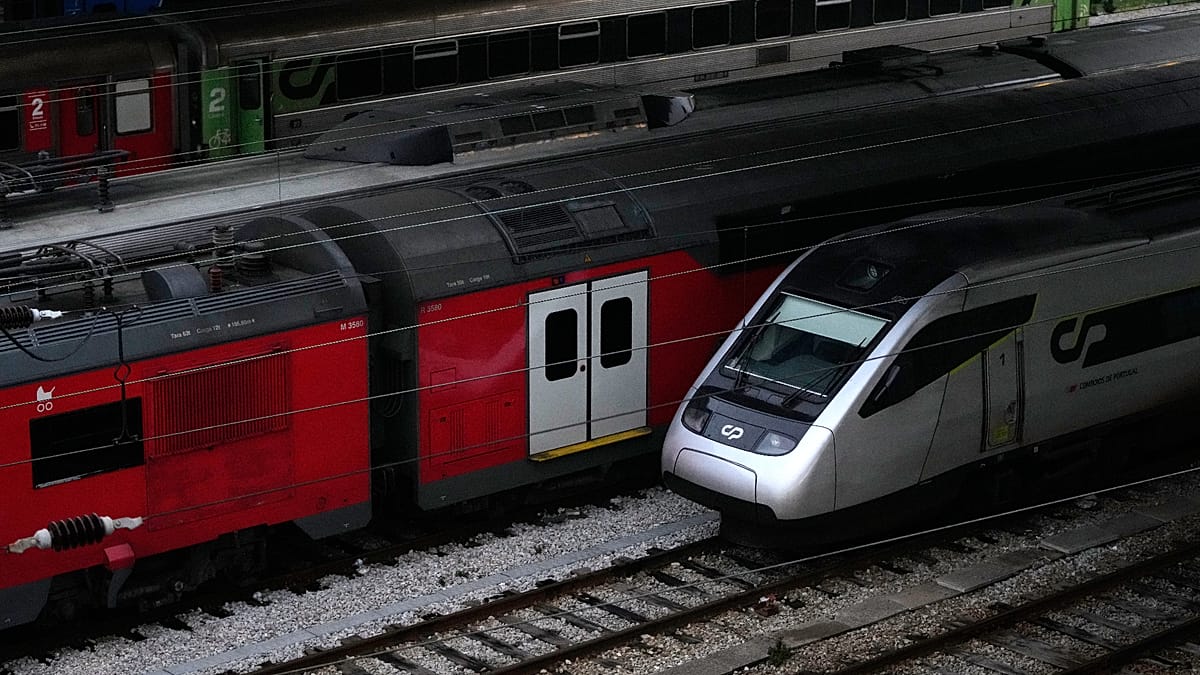
Portugal has officially launched construction of its first high-speed rail line, a project that will eventually connect the country's two largest cities, Lisbon and Porto, in just over an hour. Work began on Monday on the initial 71-kilometre stretch between Porto-Campanhã and Oiã, in the Aveiro district, marking a milestone in the country's infrastructure ambitions.
The new line, known as LAV (Linha de Alta Velocidade), is designed to slash the current rail journey between Lisbon and Porto from nearly three hours to 75 minutes. The government has framed the project as central to a broader national strategy that also includes the construction of a new Lisbon airport, with both initiatives expected to reshape Portugal's transport network for decades.
A cornerstone of national infrastructure
Speaking at the groundbreaking ceremony, Miguel Pinto Luz, Portugal's minister of infrastructure and housing, stressed the scale of the undertaking. "Alongside the new Lisbon airport, high-speed rail lines represent the largest infrastructure projects the country will undertake this century," he said. He added that a strong national consensus on the importance of rail investment is crucial, noting, "It is therefore crucial that there be - as I know there is - a strong national consensus regarding high-speed rail and, more generally, the importance of investment in the railway system."
The Porto–Oiã section will include a new road-rail bridge over the Douro River, a new station at Vila Nova de Gaia-Santo Ovídio, and a major expansion and redesign of the Porto-Campanhã Intermodal Station. The concession contract, signed on 29 July 2025, is valued at around €2 billion, with financing from the European Investment Bank (€875 million) and the Connecting Europe Facility (€480 million).
The project is structured as a public-private partnership (PPP), a model the ministry says is "pivotal for the public passenger transport ecosystem" and aligns with European Commission objectives to double passenger rail traffic across the bloc. The ministry also highlighted the line's role in fostering a multimodal, sustainable approach alongside other mobility alternatives.
Beyond domestic connectivity, the high-speed link is expected to strengthen Portugal's rail ties with Spain. The government projects that, by 2034, the line will enable a roughly three-hour journey between Lisbon and Madrid, a significant improvement over the current rail connection, which requires a change of trains and takes considerably longer.
The project comes at a time when Portugal is grappling with broader infrastructure and housing challenges. Rising housing costs have sparked protests in Lisbon and Porto, and the government's 2027 budget includes measures such as a youth housing guarantee. The high-speed rail investment is seen as a long-term bet on economic cohesion and regional development, though critics have questioned the cost and the environmental impact of large-scale construction.
For now, the focus is on the Porto–Oiã section, which is expected to be completed within the next few years. Once the full line is operational, it will not only transform travel between Lisbon and Porto but also position Portugal as a more integrated node in the European high-speed rail network, potentially attracting business and tourism. Portugal's strategic location has already drawn attention from international investors, and improved rail links could further enhance its appeal.
The European dimension is clear: the project is co-financed by EU funds and aligns with the bloc's push to shift more passenger traffic from air and road to rail. As Europe invests in cross-border connectivity, Portugal's high-speed line is a tangible example of how member states are modernising their networks to meet climate and mobility goals.