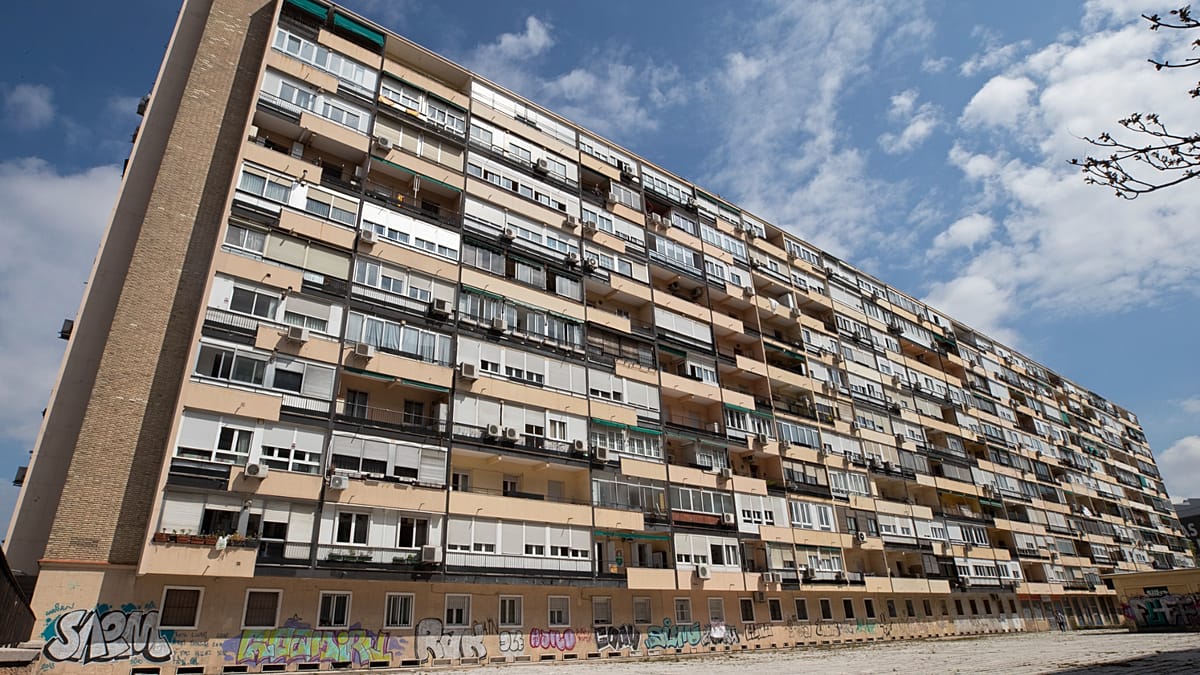
Europe faces a paradoxical housing challenge: millions of spare bedrooms exist in homes across the continent, even as a severe shortage of affordable housing persists. According to Eurostat, one in three EU residents live in under-occupied dwellings—homes with more bedrooms than needed. This mismatch between housing stock and household needs underscores deep structural issues in European housing markets.
Under-occupation, the opposite of overcrowding, is most common among older residents who remain in family homes after children have moved out. The phenomenon varies dramatically by country, reflecting differences in housing tenure, demographics, and policy. The European Federation of National Organisations Working with the Homeless (FEANTSA) argues that policymakers must focus on expanding the supply of smaller, affordable homes rather than penalizing under-occupation.
Where Under-Occupation Is Highest and Lowest
Cyprus leads Europe with 69.4% of residents living in under-occupied homes, followed by Ireland (66%) and Malta (63.2%). All three are island nations. The Netherlands (58.5%), Belgium (57%), Spain (54.3%), Luxembourg (52.2%), and Norway (51%) also exceed 50%. Among Nordic countries, Finland (46.6%) and Denmark (42.4%) rank well above the EU average of 33.4%.
In contrast, Eastern and Southeastern Europe report the lowest rates. Romania has just 8.1%, followed by Serbia (8.2%), Turkey (10.3%), Latvia (10.5%), Greece (12.5%), and Croatia (14.7%). Bulgaria (15.8%), Slovakia (15.9%), North Macedonia (17%), Poland (17.9%), Lithuania (18%), and Italy (18.2%) also fall below 20%. Estonia, Czechia, and Hungary hover near 27%.
Southern Europe itself is split: Cyprus, Malta, and Spain rank high, while Italy, Greece, and the Balkans rank low, suggesting no simple north-south divide. Among the EU's four largest economies, Spain (54.3%) and France (40.4%) are above average, Germany (33.3%) is at the average, and Italy (18.2%) is far below.
Homeownership and Demographics Drive the Trend
Eurostat data shows that 40.5% of homeowners live in under-occupied homes, compared to just 14.2% of tenants. Professor Sebastian Kohl from Berlin's Free University notes that homeownership is the strongest predictor of under-occupation. “Institutional structures like tenure play a massive role,” he said. Demographic factors, such as one- and two-person households, also contribute significantly.
Research by Jonas Lage and colleagues found that most under-occupied rooms are in households without children. Within the EU, 41% of such dwellings are in cities, with about 30% each in rural areas and towns. Higher-income households are more likely to under-occupy, accounting for a larger share of spare rooms.
Policy Challenges and Measurement Issues
FEANTSA warns against penalizing under-occupation without addressing root causes. “Penalising under-occupation while not addressing the more structural causes leading to housing unaffordability, such as underinvestment in genuine social housing and housing assetization and speculation, entails a misdiagnosis,” a spokesperson said. The UK's 'bedroom tax' introduced in 2013 proved ineffective because appropriately sized homes were often unavailable, leaving households with income losses but no alternative.
Kohl also highlights measurement challenges: country-specific definitions of what counts as a room vary. Spain, Ireland, and Finland explicitly include kitchens as rooms in surveys. Moreover, only two in five residents in under-occupied homes perceive their home as too large, revealing a gap between objective metrics and subjective experience.
As Europe grapples with a housing crisis that affects affordability and availability, the data underscores the need for targeted policies that increase the supply of smaller, affordable units. The EU Green Bond Initiative and other funding mechanisms could play a role, but structural reforms remain essential. Meanwhile, the mental health crisis among rare disease patients highlights how housing insecurity compounds other social challenges.