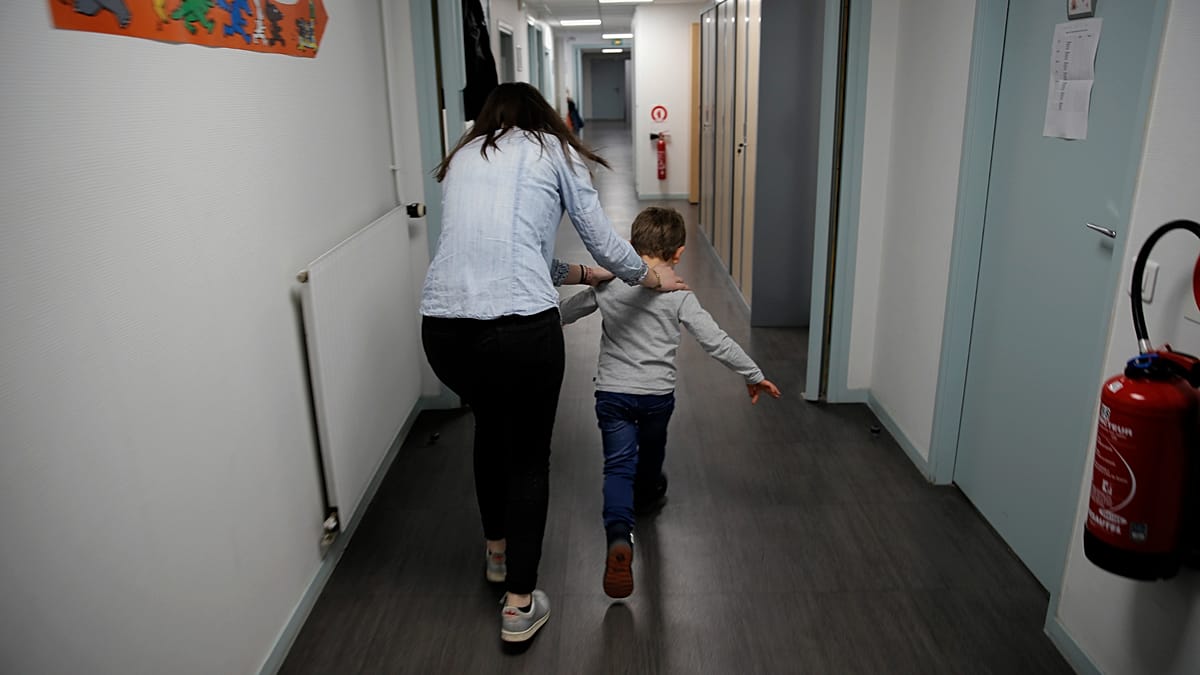
A new survey by EURORDIS, the European organisation for rare diseases, has uncovered a severe mental health crisis among the continent's rare disease community. Based on responses from nearly 10,000 patients and carers across 45 European countries, the findings show that depression and anxiety rates are seven times higher than in the general EU population. Loneliness is up to 20 times more common, and suicidal thoughts are ten times more prevalent.
The anxiety levels reported are comparable to those seen during the COVID-19 pandemic in the broader population. Jessie Dubief, Social Research Director at EURORDIS, described the results as alarming. “These are not temporary conditions: this is the daily reality for millions of people across Europe, year after year,” she said.
Access to Care Remains a Major Barrier
Nearly three-quarters of respondents said they needed professional psychological support in the past six months. Yet only about half of them actually received it. One unnamed patient in France told EURORDIS: “In reality, I did not receive any emotional support.”
The barriers are familiar across many European healthcare systems: high costs, long waiting lists, geographic distance from services, and a lack of clear information on how to find help. Among those who did access psychological care, most reported that it helped them manage daily life and cope with their condition.
EURORDIS chief Jean Saslawsky called for systemic change. “We know what needs to be done: rare disease care must be mental health-informed at every stage,” he said. “Care systems must proactively recognise the mental health challenges facing our community and make it easier to find and access the right support.”
The survey's findings come as European health ministers are working to modernise regulations through initiatives like the Biotech Act Directive, which aims to streamline approval processes for treatments. However, mental health support for rare disease patients remains a neglected area.
Climate-related health threats are also compounding vulnerabilities. A recent UNICEF report warned that nearly every child in Europe faces climate-driven health risks, which disproportionately affect those with pre-existing conditions like rare diseases.
For the rare disease community, the mental health gap is not just a medical issue but a question of equity. As Europe braces for more extreme weather events, such as the intense heatwaves and tropical nights that pose hidden health risks, the need for integrated care that addresses both physical and mental health becomes ever more urgent.