For nearly two years, Ukraine's path to European Union membership has been stalled not by its own shortcomings but by a single veto from Budapest. Hungarian Prime Minister Viktor Orbán's obstruction, imposed in June 2024 and sustained since, effectively froze Kyiv's application, forcing officials to pursue informal channels for technical preparations. Now, after Orbán's defeat in the April elections, the EU faces its first credible chance to break the deadlock—but also to confront the thorny questions the veto had conveniently sidelined.
Ukraine finds itself in an unusual position: on paper, it is ready to open the six clusters of accession negotiations, but in practice, it cannot open any. Exasperation among Ukrainian and European officials is palpable, with many viewing the veto as disproportionate and abusive. Brussels expects Orbán's successor, Péter Magyar, to swiftly end the obstruction and allow the gradual opening of clusters, starting with the "fundamentals" cluster before the summer break.
A New Dynamic in Cyprus
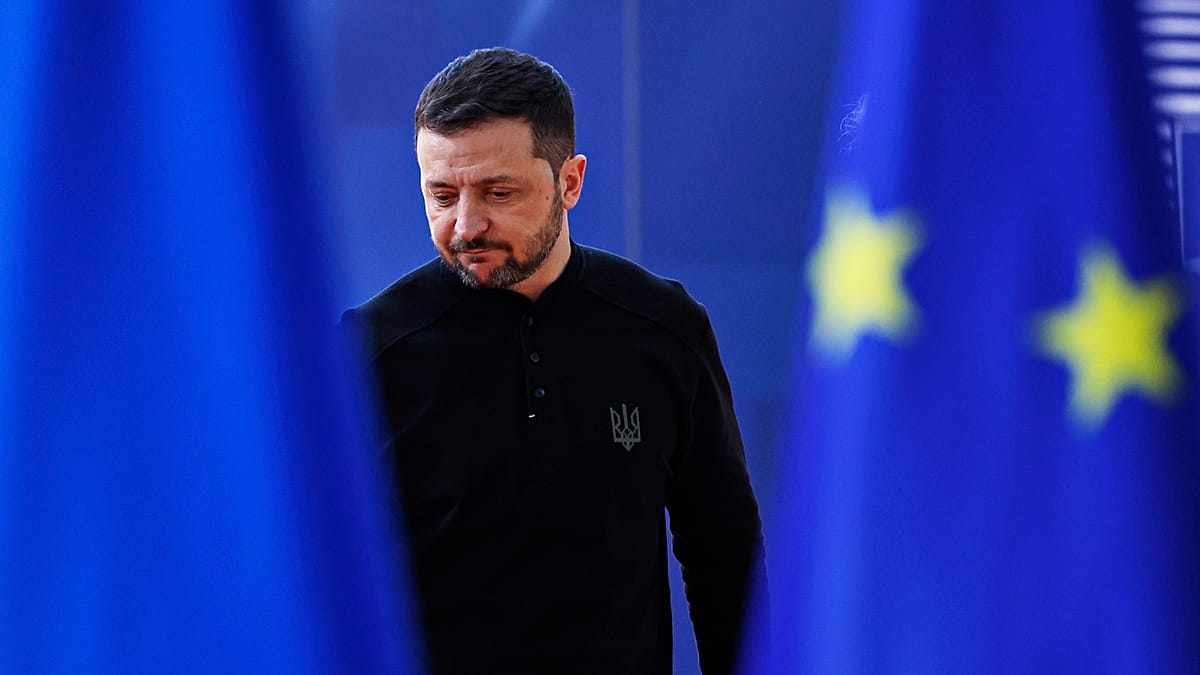
The shift in Budapest was palpable at last week's informal summit in Cyprus. Ukrainian President Volodymyr Zelenskyy, initially scheduled to appear virtually, decided to attend in person. "We seek the same full membership that every EU nation has, from Cyprus to Poland. The only thing we ask is speeding up the full membership, with a clear start date for membership," he told the gathering.
Leaders performed a delicate balancing act, offering warm words laced with caveats. Dutch Prime Minister Rob Jetten noted that "negotiations on EU accession can proceed quickly, but that does not mean that an accession date for Ukraine can be named in the very short term." Luxembourg's Luc Frieden added, "Ukraine belongs to the European family, but on the way to membership, every country must comply with a certain number of conditions. There are no shortcuts." Belgian Prime Minister Bart De Wever was even more blunt: "I think there's too much euphoria about the fact that Viktor is no longer there."
German Chancellor Friedrich Merz poured further cold water on expectations, stating, "Zelenskyy had the idea of joining the EU on 1 January, 2027. That will not work. Even 1 January, 2028, is not realistic."
Unprecedented Challenges
Handling Ukraine's accession was always destined to be difficult. Although World War II planted the seed for European integration, the bloc has never dealt with a candidate still at war. There is no precedent for incorporating a country battling a full-scale invasion with about 20% of its territory under military occupation. Brussels has touted EU membership as a security guarantee against future Russian aggression, but the practical hurdles are immense.
Ukraine's population size, vast territory, mounting reconstruction costs, and powerful grain production all weigh heavily. Its entry would likely trigger tectonic shifts in the two largest EU budget envelopes: agriculture and cohesion. Politically, there are concerns about decision-making if Ukraine, alongside other candidates, joins soon. Orbán's 16 years in power demonstrated how far a veto can be stretched and the havoc it can wreak.
These concerns could be addressed by amending EU treaties and adapting internal rules, but diplomats warn that opening treaties is like opening "Pandora's Box"—you never know what might emerge. All these uncomfortable questions explain why leaders oppose Zelenskyy's requests for an accelerated timeline and a specific admission date. After years of broad statements, the tone is turning more sober and businesslike.
European Commission President Ursula von der Leyen described accession as a "two-way contract" between the candidate and member states. "In the very end, it is a political decision by all member states, because by unanimity, you have to then decide on accession," she said. "But the way forward, the merits-based process, has to be respected for both sides to know what to rely on." European Council President António Costa rebuffed "artificial" deadlines and urged creativity and a sense of urgency.
As the EU grapples with these issues, the broader geopolitical context remains tense. Ukraine continues to reject Moscow's overtures, as seen in its rejection of a Victory Day truce, demanding a lasting ceasefire instead. Meanwhile, the bloc's internal dynamics are shifting, with the Digital Euro facing banking opposition and parliamentary hurdles as another test of EU cohesion.
Outside the box, several creative solutions are being floated, but the core question remains: how to make Ukraine, a country under invasion, an EU member. The answer will define not just Kyiv's future but the very nature of the European project.