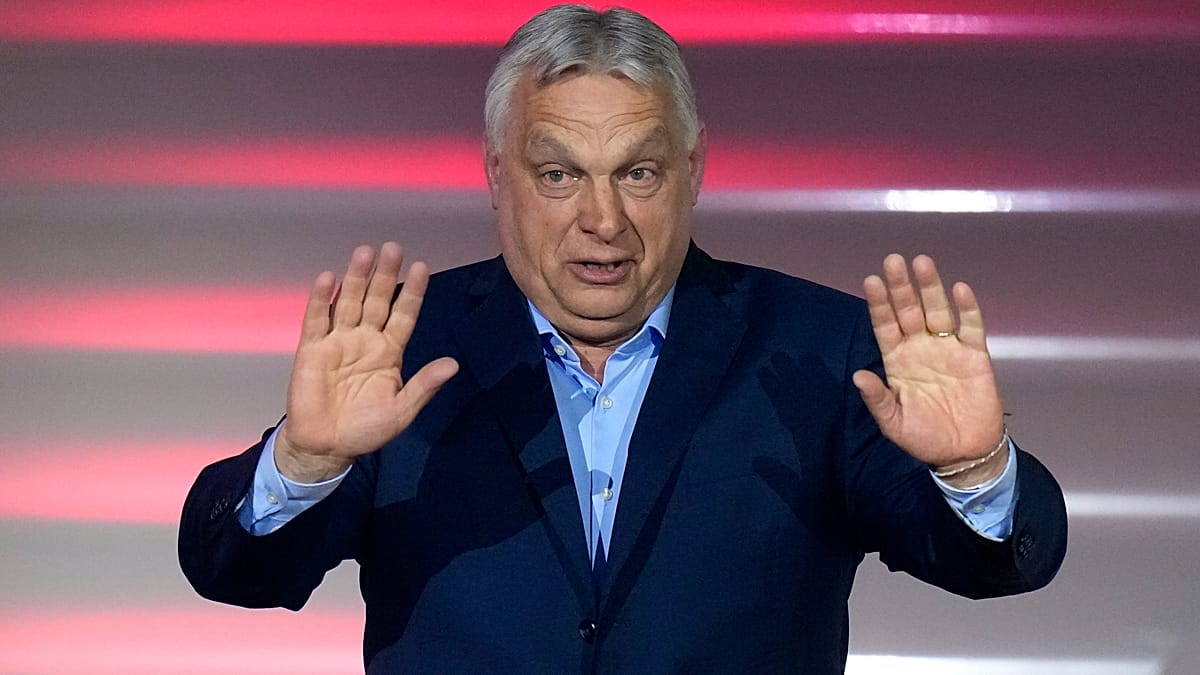
Outgoing Hungarian Prime Minister Viktor Orbán will not attend next week's informal summit of European Union leaders in Nicosia, Cyprus, according to multiple EU officials. The decision marks a break with the long-standing Brussels tradition where departing heads of state or government receive a formal farewell and a symbolic token from their peers at their final gathering.
Orbán, who suffered a decisive defeat in Sunday's parliamentary elections, is expected to remain in office until opposition leader Péter Magyar, who won by a landslide, takes over sometime in May. His absence from the Cyprus summit means his last appearance at the European Council was the March meeting, where he was sharply criticized for vetoing the €90 billion loan package for Ukraine.
A Contentious Final Summit
During that March session, António Costa, the usually mild-mannered president of the European Council, publicly rebuked Orbán for backtracking on an agreement reached by all 27 leaders in December. Orbán had previously negotiated an opt-out from the joint borrowing but then vetoed the loan, linking his decision to interruptions in oil supplies through the Druzhba pipeline.
"The leaders took the floor to condemn the attitude from Viktor Orbán, to remember that a deal is a deal and all the leaders need to honour that word," Costa said, venting months of frustration. "Nobody can blackmail the European Council. Nobody can blackmail the European Union institutions."
Until his defeat, Orbán was the longest-serving member of the European Council, having participated in numerous meetings since taking office in 2010. His decision to skip the Cyprus gathering means he will not receive the customary goodbye, a gesture typically reserved for departing leaders.
It remains unclear whether Hungary will be represented by another leader at the summit. Slovak Prime Minister Robert Fico, an ideological ally, has previously stepped in for Orbán at EU meetings.
Implications for EU Dynamics
Orbán's departure marks a significant shift in the European Council's internal dynamics. His frequent use of vetoes and delays on issues ranging from Ukraine aid to sanctions had frustrated many member states. With Magyar set to take office, the bloc may see a more cooperative Hungarian stance, though the transition period remains uncertain.
The informal summit in Nicosia will now proceed without Orbán, focusing on other pressing issues such as energy security and the bloc's response to global challenges. For a deeper look at how the EU is navigating energy costs, see our analysis on how clean energy shields five EU states from €8.5 billion in energy costs.
Meanwhile, the absence of Orbán may also ease discussions on Ukraine, as seen in recent developments where Zelenskyy rejected symbolic EU membership at the first summit without Orbán. The Hungarian leader's exit could reshape the bloc's approach to both enlargement and foreign policy.