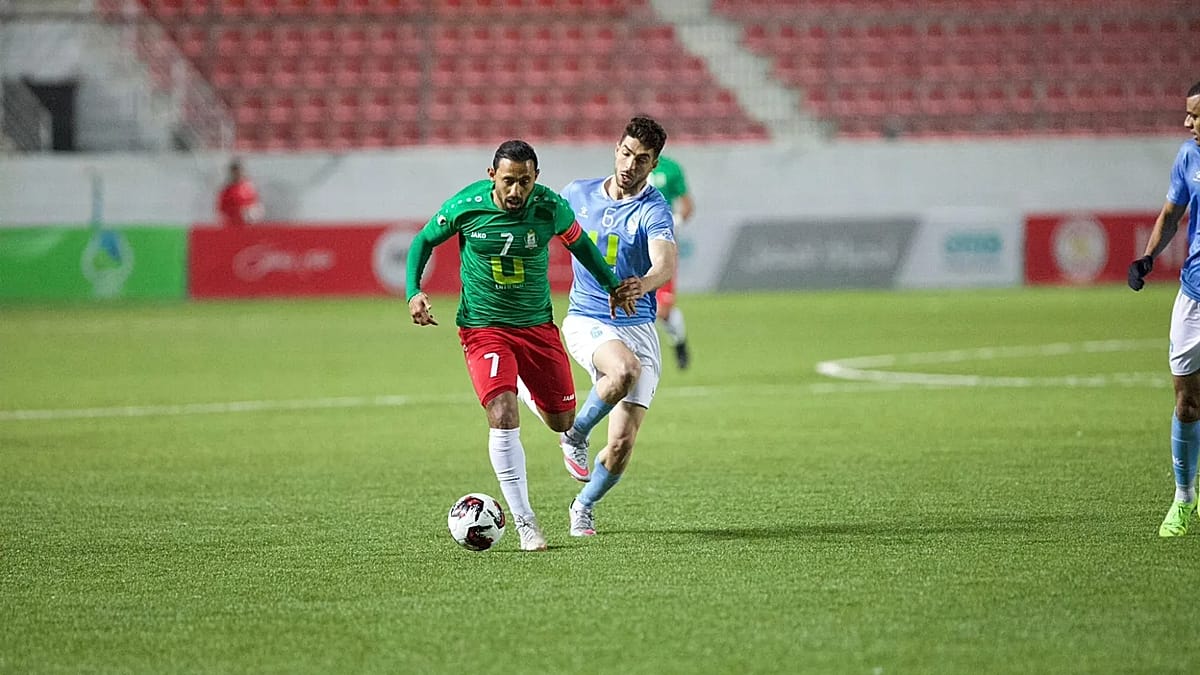
The Palestine Football Association (PFA) has firmly denied reports that FIFA intends to organize a youth match between Palestine and Israel as part of a new annual tournament. In a statement released on Thursday, the PFA said it had “not received any official communication or proposal from FIFA regarding such a match.”
Earlier this week, media reports suggested that FIFA President Gianni Infantino was pushing for an under-15s fixture between the two sides to open the first edition of a global youth festival. The competition, open to boys’ and girls’ teams from all 211 FIFA member associations—including Russia—is scheduled to launch later this year.
PFA Rejects Any Normalization
The PFA’s statement was unequivocal: “Our position is firm and unchanged. Under the current circumstances, the PFA categorically rejects any attempt to promote or impose matches with an occupying power that systematically targets Palestinian athletes and sports infrastructure.” The association highlighted that more than 1,000 Palestinian athletes have been killed in the last three years, including former national team captain Sulaiman Al-Obaid and karate champion Nagham Abu Samra. “This reality cannot be ignored or separated from any discussion about football activities involving Palestine,” it added.
The denial comes after Infantino’s failed attempt earlier this year to broker a symbolic handshake between PFA President Jibril Rajoub and Basim Sheikh Suliman, vice president of the Israel Football Association, at the FIFA congress in Vancouver. The two men remained far apart on stage, and Rajoub left in protest.
Infantino has championed the youth festival as a way to promote development and opportunity. In December, he said: “We have been very active in promoting youth competitions and development, and this is a natural next step. Having FIFA U-15 festivals for boys and girls will be fundamental in FIFA’s quest to give every talent a chance all over the world.”
The controversy underscores the deep political divisions that continue to affect international football. The PFA’s stance reflects a broader boycott movement within Palestinian civil society, which opposes any sporting engagement with Israel until it ends its occupation and respects Palestinian rights. This is not the first time football has become a flashpoint; in recent years, several European clubs and federations have faced pressure over ties with Israeli teams.
For European readers, the issue resonates beyond the Middle East. European football bodies, including UEFA and national associations, have often been caught in similar debates. The UK court’s recent upholding of a ban on Palestine Action highlights the legal and political complexities surrounding pro-Palestinian activism in Europe. Meanwhile, the tragic drone strike on a bus carrying a Belarusian children’s football team in Russia’s Bryansk region serves as a grim reminder of how conflict can directly impact young athletes.
As FIFA moves forward with its youth tournament, the PFA’s denial makes clear that any match involving Palestine and Israel will require more than just a fixture list—it will demand a resolution to the underlying political realities. For now, the ball remains firmly in FIFA’s court.