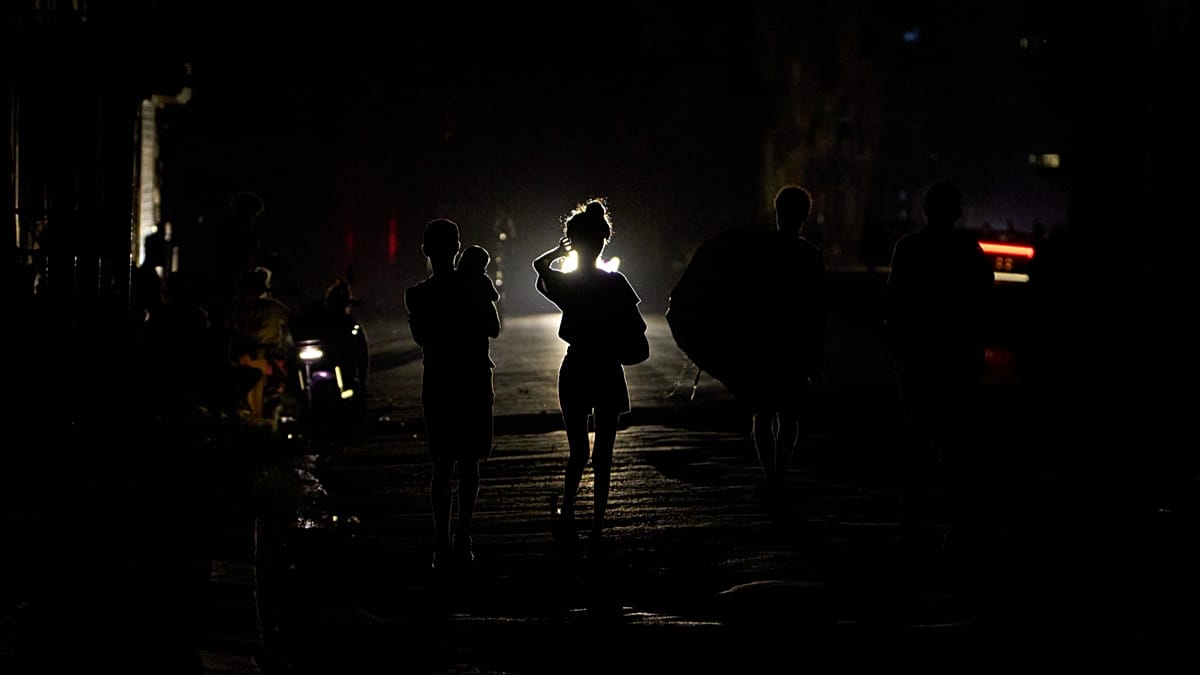
Havana was plunged into darkness on Sunday evening as Cuba's national electricity system suffered another total collapse, the state-run energy company UNE announced. Residents sitting outside to escape the summer heat groaned in unison as the lights flickered and died across the capital.
This is the latest in a string of grid failures that have become a near-daily occurrence. Just 24 hours earlier, the entire western half of the island had lost power. The repeated outages have made everyday life nearly unbearable: water pumps stop working, ceiling fans grind to a halt, and food spoils in powerless refrigerators.
A crisis with no end in sight
The root causes are well known: decades-old generating equipment, chronic underinvestment, and the US embargo that has halted regular fuel deliveries to the island's power stations. Washington's sanctions, tightened under the Trump administration, have also targeted Cuban state-owned enterprises, prompting many foreign firms to suspend operations on the island.
The Ministry of Energy said protocols to reactivate the grid were underway, but residents in the worst-affected neighbourhoods have grown increasingly frustrated. Some have taken to setting piles of trash on fire or banging pots and pans in protest, a familiar form of civil expression in times of crisis.
The situation is a growing strain for a society accustomed to adversity but now mired in a months-long emergency with no clear resolution. The arrival of a single Russian tanker carrying 100,000 tons of crude in March provided temporary relief, but those reserves have long since been exhausted.
Diplomatic efforts between Havana and Washington have shown little progress. The US has also indicted former president Raúl Castro, brother of revolutionary leader Fidel Castro, over the downing of two civilian planes three decades ago, further complicating any potential thaw.
For Europeans watching the Caribbean, the crisis echoes concerns closer to home. The power cuts in Libya have similarly destabilised daily life, while low river levels in Europe have disrupted energy supply chains. The fragility of electricity grids, whether due to embargoes, conflict, or climate, is a shared vulnerability.
As Cuba's grid struggles to recover, the human cost is visible in every darkened street. The international community, including European nations, has called for dialogue, but the embargo remains firmly in place, leaving Cubans to face another night without power.