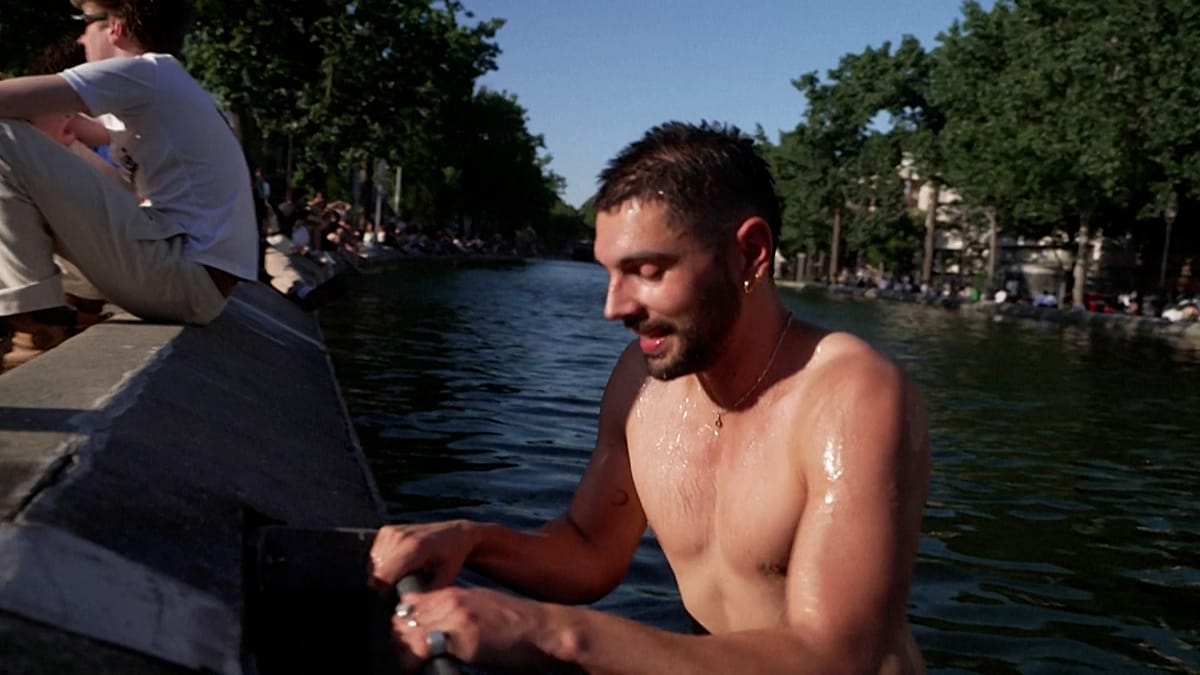
An unseasonable heatwave swept through Paris on 27 May, with temperatures climbing to around 33°C, well above the seasonal average. In response, numerous residents flocked to the Saint-Martin canal, a popular waterway in the 10th arrondissement, to cool off—ignoring municipal regulations that explicitly forbid swimming in the canal.
The scene, captured on video, shows people jumping into the water from the quaysides, a practice that has been illegal since 2016 due to safety and water quality concerns. The canal, which connects the Bassin de la Villette to the Seine, is a focal point for leisure activities but is not designated for bathing.
Urban Heat and Public Behavior
This incident reflects a broader challenge across European cities as climate change intensifies heatwaves. Paris, like many capitals, is grappling with how to provide accessible cooling options for its residents. The city has invested in îlots de fraîcheur (cool islands) such as parks and public fountains, but these may prove insufficient during extreme events.
The heatwave also comes amid ongoing debates about urban planning and public health. In a related context, France is set to become the first EU country to reimburse weight-loss drugs, highlighting the government's focus on health policy. However, immediate climate adaptation measures remain a pressing concern.
Local authorities have warned that swimming in the canal poses risks, including drowning and exposure to bacteria. The water quality is not monitored for bathing, and currents can be unpredictable. Despite these warnings, the allure of a quick dip during a heatwave proved irresistible for many.
Broader European Implications
France's experience is not isolated. Across Europe, cities from Berlin to Madrid are facing similar pressures. The European Environment Agency has noted that heatwaves are becoming more frequent and intense, with significant impacts on urban populations. In Paris, the phenomenon is particularly acute due to the city's dense architecture and limited green space.
The incident also touches on cultural attitudes toward public space and regulation. In France, there is a long tradition of désobéissance civile (civil disobedience) when rules seem impractical or outdated. This was evident in the canal swimming, as participants argued that the ban is overly restrictive given the heat.
Meanwhile, the French government is pursuing other environmental and trade policies. For instance, France has urged the EU to prepare for dialogue with Russia while prioritizing support for Ukraine, showing its balancing act in foreign affairs. Domestically, the heatwave underscores the need for integrated climate adaptation strategies.
As temperatures are forecast to remain high in the coming days, city officials are considering temporary measures such as opening more public pools and extending hours. However, the Saint-Martin canal incident serves as a vivid reminder that informal solutions will persist unless formal cooling infrastructure keeps pace with climate realities.