The 26th World Travel & Tourism Council (WTTC) Global Summit wrapped up in Malta, bringing together hundreds of industry leaders to map the future of travel. From digital borders to AI-powered booking, the discussions offered a clear picture of what travellers can expect in the coming years.
Trudeau: tourism as an antidote to insularity
Canada’s former Prime Minister Justin Trudeau was the headline speaker, joining WTTC President and CEO Gloria Guevara for a conversation on shaping the industry’s future. He took a direct swipe at the “Trump Slump”, noting that “the US hasn’t been very good at making travellers feel welcome” in recent years.
Trudeau argued that tourism is the best counter to a global trend toward inward-looking politics. “There’s a tendency right now in countries around the world... encouraging people to look inward, turn inward, to go a little more insular and be mistrustful or in opposition to the rest of the world,” he said. “That’s not necessarily a productive path for the world, and the best counter to that is tourism.”
He also plugged his hometown, Montréal, as a must-visit destination, praising its restaurants, art scene, and festival-filled summers.
Passport-free travel within five years
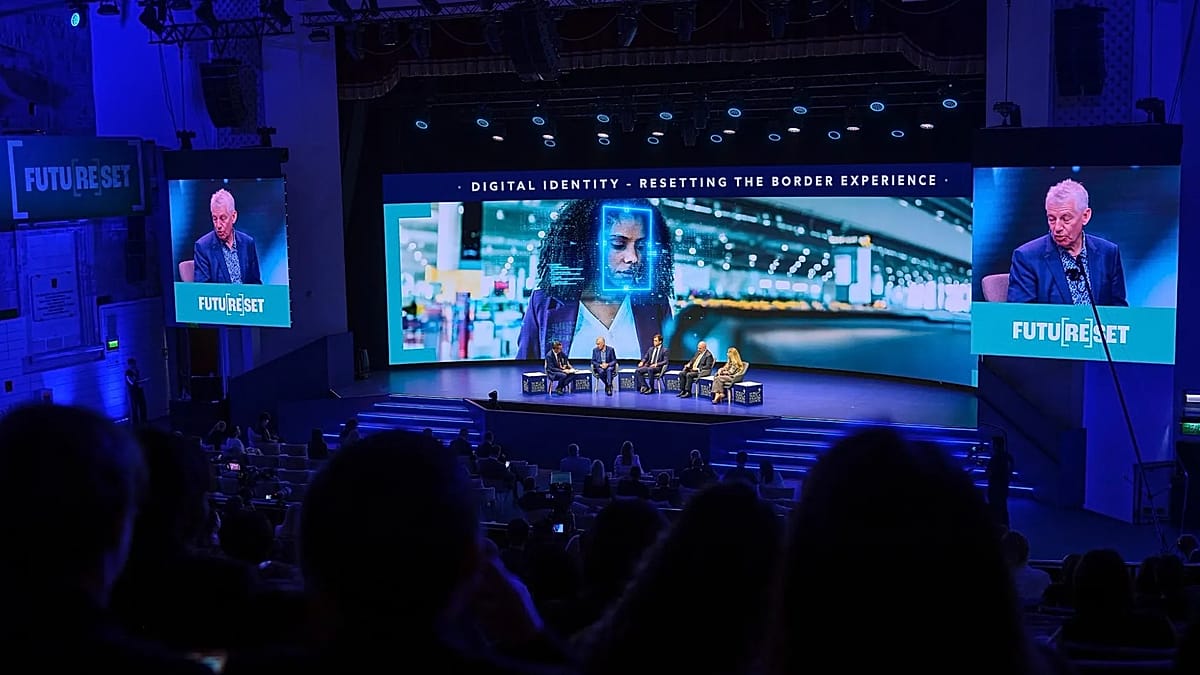
One of the most striking predictions came from Paul Griffiths, CEO of Dubai Airports, who said that passports will no longer be necessary for travel within the next five years. The main obstacle, he explained, is not technology but the lack of coordination between the various systems that need to be linked.
Panellists envisioned a future where travellers breeze through borders, pick up rental cars, and check into hotels without ever pulling out a passport. This aligns with ongoing efforts in Europe, where UK airports are already planning to scrap passport checks at e-gates by 2027.
AI agents: from planning to booking
Christie Travers-Smith, a director for EMEA Strategic Partnerships at Google, described today’s travellers as “super-empowered” thanks to AI tools that help plan itineraries. The next frontier, she said, is building enough consumer trust for AI agents to handle bookings directly—including handing over credit card details.
This shift could have significant implications for the travel industry, as AI agents are already being studied for biases that could affect how they operate.
Longevity as standard, not luxury
Luxury hotels have been quick to adopt longevity trends like hyperbaric oxygen therapy and infrared saunas, popularised by tech entrepreneur Bryan Johnson. But Tim Gray, founder of Health Optimisation, argues that the real goal should be “longevity as standard” for all hotels.
That means ensuring travellers can maintain basic recovery principles—good sleep, healthy food, hydration, and activity—even away from home. Simple measures like black-out blinds, removing blinking lights, and stocking minibars with healthier options can make a big difference. Gray’s company, HPO.TECH, even offered hyperbaric oxygen therapy sessions at the summit, which many jet-lagged attendees found beneficial.
From volume to value
A recurring theme was the industry’s shift from measuring success by tourist numbers to focusing on the value each visitor brings. Michelle Fridman, Secretary of Tourism for Jalisco, Mexico, said her state is now seeking “better tourists” who stay longer, spend more, and respect local culture. “We are looking for those tourists that are better tourists, that stay for a longer period, that spend a bigger amount of money, that consume local products,” she said.
Miguel Sanz, Director-General at Turespaña, echoed this sentiment, describing his role as more of a “tourism curator” aimed at attracting a different kind of traveller to Spain. This approach is part of a broader European trend, as Europe’s travel sector is set to outpace global growth in 2026, according to WTTC forecasts.
Mark Weingard, CEO and founder of Iniala, cautioned against becoming too elitist in the pursuit of high-value travellers. “Because then we are almost being elitist... saying only the wealthy can travel,” he said. He stressed the importance of ensuring tourism benefits local communities and does not destroy cultures or neighbourhoods.
The summit made clear that the travel industry is at a crossroads, with technology and changing consumer expectations set to reshape how Europeans and others explore the world. As historic travel is set to define 2027, the focus will be on creating experiences that are both sustainable and enriching.