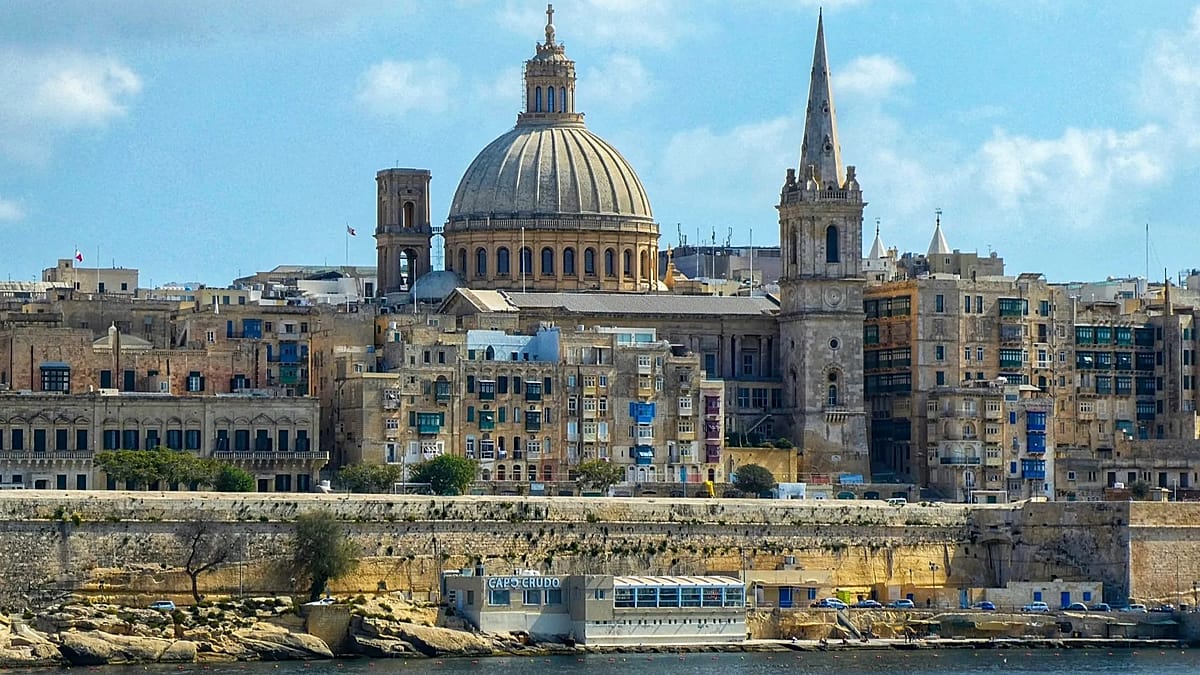
Europe's travel and tourism sector is projected to grow by 3.1% in 2026, outpacing the continent's wider economy and exceeding the global average, according to new data from the World Travel & Tourism Council (WTTC). The figures, released at the opening of the WTTC's 26th Global Summit in Valletta, Malta, point to a resilient industry despite geopolitical tensions and persistent cost-of-living pressures.
Globally, travel and tourism is expected to expand by 2.5% next year, meaning Europe is set to outperform the worldwide trend. The WTTC attributes this to strong demand for European destinations, improved connectivity, and a shift toward more sustainable travel practices. International visitor spending in Europe is forecast to climb by 5.8%, while domestic leisure spending is projected to rise by 3.1% and business travel by 4.2%.
Industry leaders call for supportive policies
Speaking at the summit, WTTC President and CEO Gloria Guevara urged governments to create conditions that allow the sector to thrive. "This is a sector that is ready to invest and innovate, but governments must create the right conditions – enabling seamless travel, strengthening connectivity, developing talent and supporting sustainable growth," she said. "The choices made today will determine how much of this opportunity Europe captures."
The summit, often dubbed the "Davos of travel," has drawn more than 200 CEOs and government officials, alongside 1,000 delegates. Panels are focusing on how to encourage tourism growth without harming local communities, with sustainability, accessibility, and workforce development high on the agenda.
Notable speakers include Justin Trudeau, former Prime Minister of Canada; Apostolos Tzitzikostas, European Commissioner for Sustainable Transport and Tourism; and Nick Adams, the first U.S. Presidential Envoy for Tourism. Their presence underscores the global significance of European travel policy, particularly as the EU rolls out its new digital travel authorisation system and continues to debate short-term rental regulations.
WTTC Chairman Manfredi Lefebvre praised Malta's role as host. "Malta's Government has shown strong leadership and commitment to our sector, making it an ideal host for these important discussions," he said. "Over the coming days, we will strengthen partnerships, advance new initiatives and help ensure Travel & Tourism continues to drive growth, investment and opportunity around the world."
The positive outlook comes as Europe's travel industry faces scrutiny over its environmental footprint. A recent report highlighted that the continent's cruise sector, worth €65 billion, is under pressure to reduce emissions and manage overtourism in popular ports. Meanwhile, cruise operators defend their record even as cities like Barcelona and Venice impose restrictions on large vessels.
Travel patterns are also evolving. A growing number of Europeans are embracing anti-optimised holidays, choosing to do less and prioritise rest over packed itineraries. This shift aligns with the WTTC's emphasis on sustainable growth and the need to balance tourism with local community well-being.
Luxury travel is another segment undergoing transformation. According to industry analysts, ultra-luxury travel in 2027 will be led by Europe, with a redefined all-inclusive model that focuses on authentic experiences rather than opulence. This trend is expected to influence investment decisions across the continent, from boutique hotels in Portugal to alpine resorts in Austria.
The WTTC's projections offer a cautiously optimistic picture for Europe's travel industry, but they also serve as a reminder that growth must be managed responsibly. As Guevara noted, the decisions made now will shape how much of this opportunity Europe can capture – and whether the sector can continue to thrive without compromising the very destinations that attract millions of visitors each year.