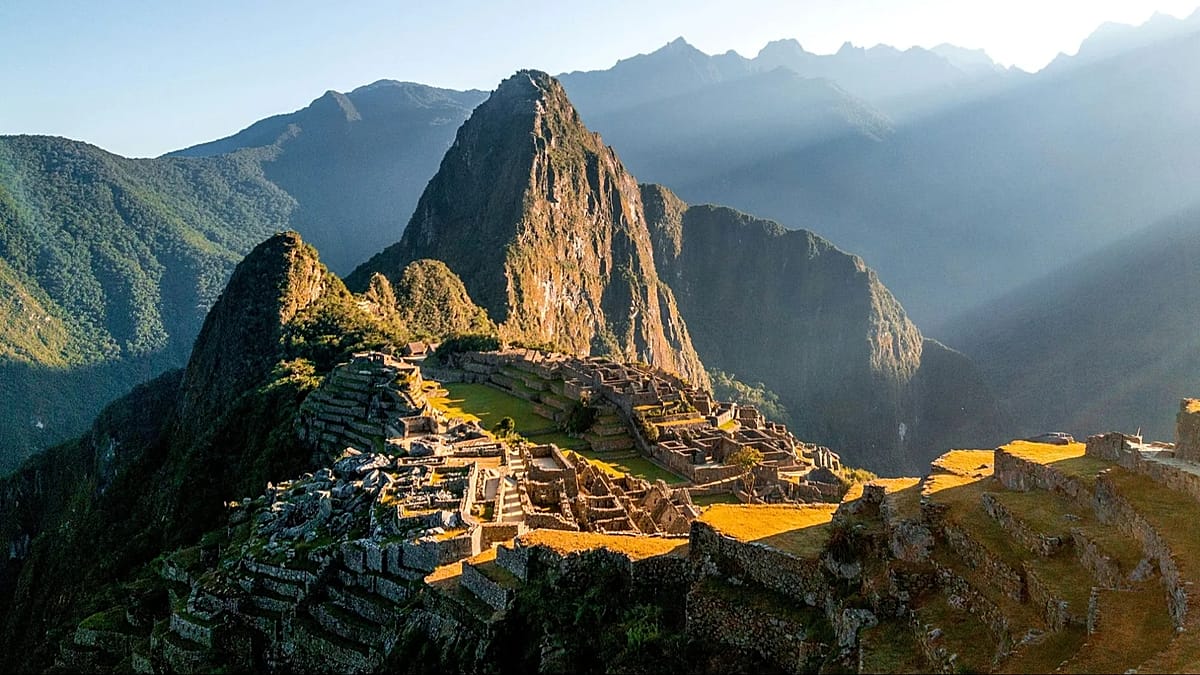
For European travellers planning a pilgrimage to one of South America's most iconic archaeological sites, the path just got simpler. Peru's Ministry of Culture has abolished the advance reservation system for tickets to Machu Picchu, the 15th-century Inca citadel perched in the Andes. The change, announced this week, replaces the old booking process with a streamlined, real-time purchase model on the official platform, Tu Boleto.
Under the new rules, visitors have just 15 minutes to complete a transaction once they select their tickets. If the payment is not finalised within that window, the reservation is automatically cancelled and the tickets are returned to the pool for other buyers. The ministry says the move is designed to ensure that the availability shown on the platform corresponds to tickets that can actually be purchased by the public, a direct response to long-standing complaints about speculative holds and scalping.
Another significant shift: all tickets are now issued in the name of the purchaser. To enter the site, visitors must present an identity document that matches the name on the ticket. This measure is intended to curb the black market and to make it harder for third parties to resell tickets at inflated prices, a practice that has frustrated both tourists and Peruvian authorities.
The new system is being introduced as a trial. The ministry has indicated that the 15-minute limit may be adjusted—either increased or decreased—once the trial period concludes and the results are evaluated. For now, travellers should be prepared to act quickly when they see available slots.
Visitor caps and daily quotas remain unchanged
While the ticketing process has been overhauled, the strict limits on visitor numbers remain in place. The citadel can admit 5,600 people per day during the high season (June to August) and 4,500 during the low season. The Inca Trail, the famous multi-day trek that leads to the site, is capped at 750 hikers per day. These numbers are set by the Ministry of Culture and are part of ongoing efforts to balance tourism revenue with the preservation of the fragile archaeological complex.
In addition to the online sales, 1,000 tickets are available daily at the DDC-Cusco ticket office in Machupicchu Pueblo, the town at the base of the mountain. These tickets can be used the day after purchase, offering a last-minute option for those who arrive without a reservation.
Getting there from Europe
For European visitors, reaching Machu Picchu typically involves a long-haul flight to Lima, Peru's capital, followed by a domestic flight to Cusco. From Cusco, travellers take a train or hike to the site. The new ticketing system does not affect these logistics, but it does mean that planning ahead is less about securing a reservation months in advance and more about being ready to buy when tickets become available.
The change comes as Peru's tourism sector continues to recover, and it mirrors broader trends in the region. In Europe, similar debates about visitor management are playing out at popular destinations, from the Acropolis in Athens to the Alhambra in Granada. The challenge of balancing access with preservation is a shared one, and Peru's experiment will be watched closely by heritage managers across the continent.
For now, the message to travellers is clear: check the official platform, have your documents ready, and be prepared to complete your purchase within a quarter of an hour. The reward is a visit to one of the world's most extraordinary archaeological treasures, now with a fairer and more transparent ticketing system.