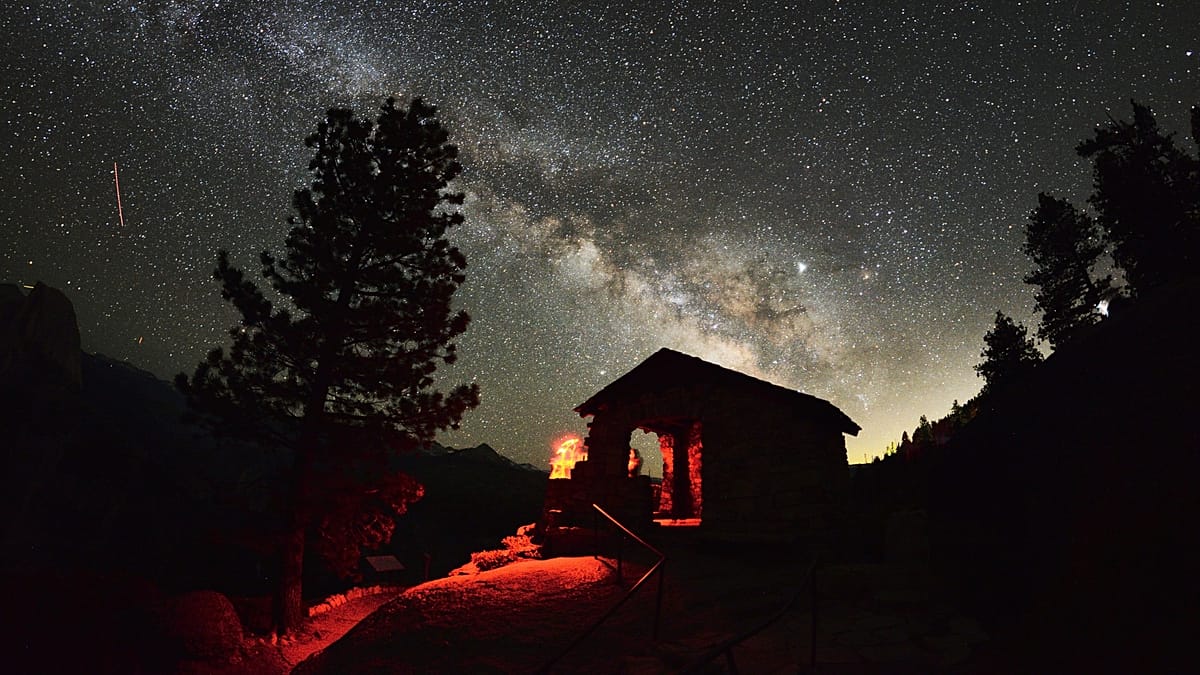
Stargazing has evolved from a niche hobby into a major travel motivator, with more Europeans planning trips around the chance to see the Milky Way or catch a meteor shower. But finding a spot that combines truly dark skies with practical travel logistics can be a challenge. A new ranking aims to solve that puzzle.
eSIM provider Holafly has released its first “Clean Sky Index,” a global list of the best destinations for observing the night sky. Unlike other rankings that simply point to the most remote and darkest places on Earth, this index focuses on what it calls the “best overall balance between exceptional night skies and practical travel.”
The researchers evaluated dozens of locations using four weighted criteria: light pollution (35%), based on Sky Quality Meter readings and the Bortle scale; clear-night frequency (30%), measuring the percentage of cloud-free nights per year; accessibility (20%), calculated by travel time from a major international hub; and Dark Sky certification (15%), recognizing sites designated by DarkSky International.
To ensure geographical diversity, no more than three destinations from the same country were included in the final shortlist. Both certified and non-certified locations were assessed, with the aim of prioritizing real sky quality over certification alone, according to Holafly.
Pic du Midi: a French observatory with easy access
Taking the top spot is Pic du Midi in the French Pyrenees. The mountain-top observatory, which has been studying the heavens since the late 19th century, scored highly for its combination of strong sky conditions and accessibility. Unlike many other top-tier stargazing sites that require lengthy expeditions, Pic du Midi can be reached in under four hours from London, making it an attractive option for European travellers.
“The index shows that remoteness isn't always required for great stargazing,” the report notes. Indeed, several other European destinations made the top 10, including La Palma in Spain’s Canary Islands, which came in seventh. La Palma has long been a favourite among astronomers, thanks to its volcanic peaks and strict light pollution regulations.
For those planning a stargazing trip, the ranking offers a useful starting point. But it also highlights a broader trend: the growing demand for dark-sky experiences across Europe. As urban light pollution continues to spread, protected areas like Pic du Midi and La Palma are becoming increasingly valuable.
Other notable entries in the top 10 include Warrumbungle National Park in Australia (second), Grasslands National Park in Canada (third), and NamibRand Nature Reserve in Namibia (fourth), which recorded the darkest skies in the study but lost points for its remote location. AlUla in Saudi Arabia came fifth, holding the world’s third-largest Dark Sky Park designation, spanning more than 6,000 square kilometres of protected desert. Chile’s Atacama Desert, one of the driest places on Earth, rounded out the top six.
The full top 10 for summer 2026 is:
- 1. Pic du Midi, France
- 2. Warrumbungle National Park, Australia
- 3. Grasslands National Park, Canada
- 4. NamibRand Nature Reserve, Namibia
- 5. AlUla, Saudi Arabia
- 6. Atacama Desert, Chile
- 7. La Palma, Spain
- 8. Aoraki Mackenzie, New Zealand
- 9. Mauna Kea, Hawaii, USA
- 10. Cherry Springs State Park, USA
For European travellers, the index underscores that world-class dark skies are within easier reach than many might expect. Whether it’s the high-altitude observatory in the Pyrenees or the volcanic island of La Palma, the continent offers several options for those seeking a memorable night under the stars. As Europe's best-value villa destinations show, the region is full of hidden gems for travellers, and stargazing spots are no exception.
With summer 2026 on the horizon, the ranking provides a timely guide for planning your next celestial escape. And for those who prefer to stay closer to home, the coolcation trend offers another way to beat the heat while exploring Europe’s natural wonders.