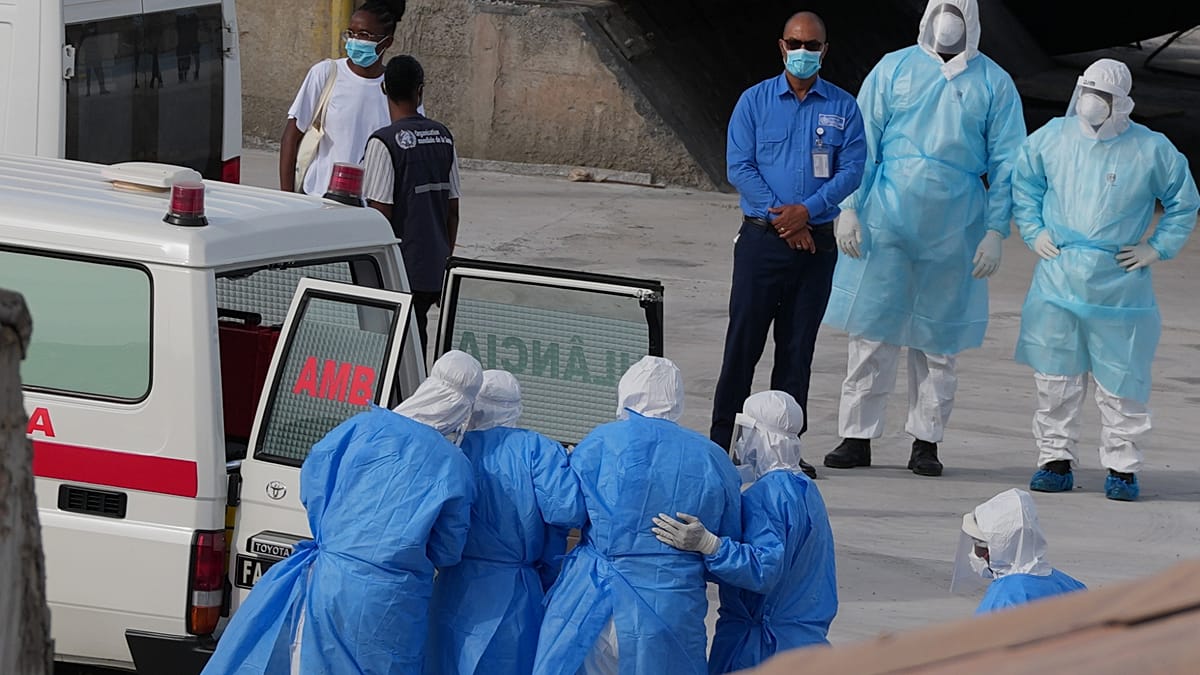
The death of a laboratory worker at the anti-plague institute in Irkutsk, Siberia, has triggered a public health alert in Russia, with unconfirmed reports pointing to pneumonic plague. The incident occurred after a test tube broke in the lab, according to regional media citing unnamed security sources. Russian authorities have not confirmed the cause of death, saying there is no evidence the illness was linked to any of the pathogens the woman handled.
Local media reported that roughly 200 people who had been in contact with the deceased are under strict medical observation, and several hospitals in the region have been closed and placed under quarantine. The situation has revived memories of past plague scares in Siberia, though officials have denied an outbreak.
What is known about the case
The anti-plague institute in Irkutsk is one of several specialised facilities in Russia that research and store highly dangerous pathogens, including Yersinia pestis, the bacterium that causes plague. The worker's death has not been officially attributed to any specific infection, but the suspicion of pneumonic plague has raised concerns because this form of the disease can spread from person to person through respiratory droplets.
Experts stress that laboratory-acquired infections are rare but not unheard of. Alice Hughes, professor of conservation science at the University of Melbourne, told the Science Media Centre that because the contagion was contained in a lab and people were quickly quarantined, it is highly unlikely to spread further. “Whilst it is contagious, it is unlikely to have the opportunity to spread,” she said.
European response and risk assessment
The European Centre for Disease Prevention and Control (ECDC) is closely monitoring the situation and is in contact with the World Health Organization. A spokesperson told Euronews that the suspicion of plague is not yet confirmed, and that based on available information there are no reports of secondary cases or sustained human-to-human transmission. The ECDC also noted that travel between Irkutsk and the European Union is limited, particularly due to Russia's war against Ukraine, which has reduced cross-border movement.
Plague has been absent from Europe for more than 50 years, but it remains endemic in rodent populations in parts of Africa, Asia, and the Americas. Human cases are reported each year, including outbreaks of the pneumonic form, particularly in the Democratic Republic of Congo and Madagascar.
Expert views on the risk
Zania Stamataki, associate professor of viral immunology at the University of Birmingham, said that plague is not a historical disease. “It remains endemic in rodent populations across Africa, Asia, and the Americas, and human cases occur every year,” she noted. Brendan Wren, professor of microbial pathogenesis at the London School of Hygiene & Tropical Medicine, added that there should not be too much concern because transmission of Yersinia pestis between humans is generally poor.
Still, the case has drawn attention to the broader issue of biosecurity in Russian laboratories, especially in the context of heightened tensions with the West. Some analysts have pointed to the risk of disinformation around such incidents, as seen in other recent episodes.
Understanding pneumonic plague
Pneumonic plague is the most severe form of plague and the only one that can spread from person to person. It occurs when the bacteria infect the lungs, either as a complication of untreated bubonic or septicemic plague, or after inhaling infectious droplets from an infected person or animal. Symptoms typically appear one to three days after exposure and include severe respiratory distress, coughing, and often bloody or watery mucus.
Without treatment, the case-fatality ratio ranges from 30% to 100%, according to the WHO. However, early diagnosis and treatment with common antibiotics can cure the disease effectively. The ECDC notes that plague can be diagnosed and treated with antibiotics readily available in Europe.
Patients with pneumonic plague should be isolated, and their contacts traced and treated. Vaccination is not recommended for the general public, but is advised for high-risk groups such as laboratory personnel and healthcare workers who may be exposed.
While the immediate risk to Europe appears low, the incident underscores the importance of surveillance and international cooperation in monitoring infectious disease threats. As the ECDC continues to watch the situation, the focus remains on preventing any potential spread beyond the initial cluster.