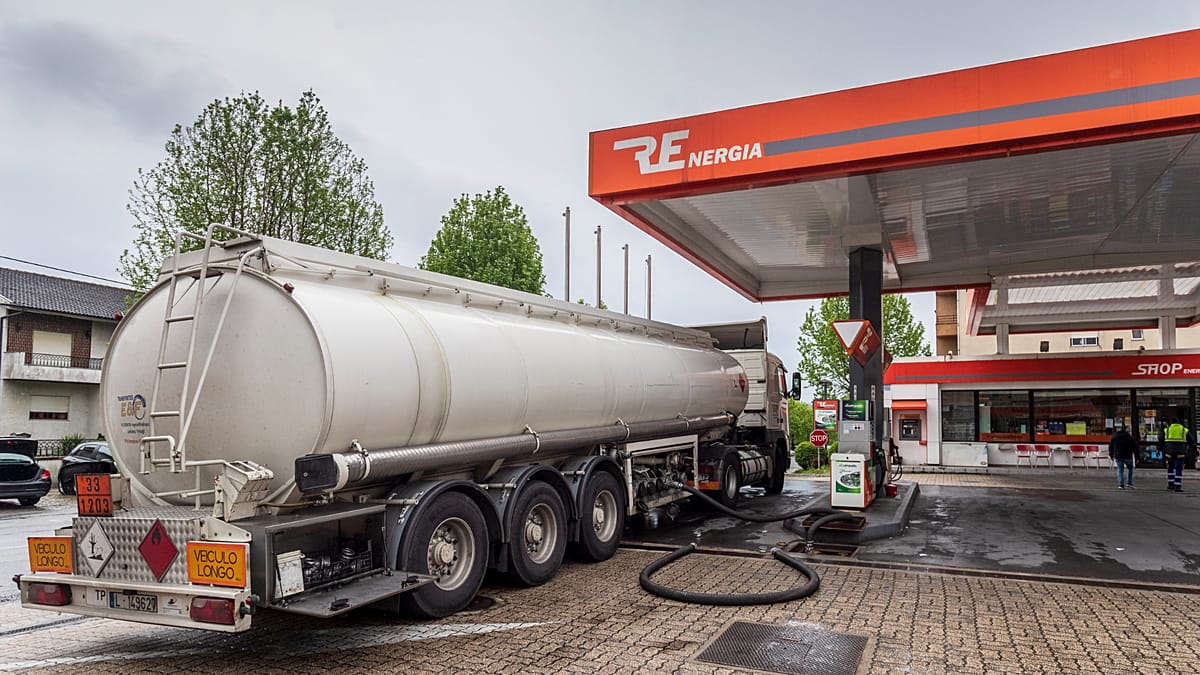
Motorists in Portugal will face significantly higher fuel costs starting Monday, July 20, as diesel and petrol prices climb sharply. According to the Automobile Club of Portugal (ACP), based on data from the Directorate-General for Energy and Geology (DGEG), diesel will rise by 13.5 cents per litre, bringing the average price to €1.988. Petrol will increase by 6.5 cents per litre, reaching €1.980.
The ACP notes that these figures are derived from raw material prices at the close of markets on Thursday, but caution that fluctuations in crude and fuel quotations could still occur before Friday. The price hikes are largely attributed to the escalating conflict in the Middle East, involving the United States, Israel, and Iran, which has disrupted global oil markets.
Geopolitical Tensions and Market Impact
The Strait of Hormuz, a critical chokepoint through which approximately 20% of global oil and natural gas trade passes, was initially closed after the US and Israel launched military operations against Iran on February 28. This closure sent prices for oil, fertilisers, and other commodities soaring, giving Iran significant leverage in negotiations. This week saw an escalation in fighting, ending a provisional agreement to halt the war against Iran and further destabilising markets.
These developments have direct implications for European consumers. As oil prices surge, the ripple effects are felt across the continent, from Lisbon to Warsaw. The Portuguese government has pledged to apply an extraordinary, temporary reduction in the ISP (Tax on Petroleum and Energy Products) whenever fuel price increases exceed 10 cents, though the current rise in diesel surpasses that threshold.
Government Response and Regulatory Scrutiny
In a related move, the Minister for the Environment and Energy, Maria Graça Carvalho, has requested an investigation into fuel pricing practices by retailers. According to the newspaper Expresso, Carvalho sent a letter to ERSE, the energy regulator, calling for a detailed study of the last two years—within 20 days—to explain why falls in oil prices on international markets are slow to be passed on to consumers at the pump.
This scrutiny comes amid broader debates about fuel taxation. Finance Minister Miranda Sarmento insisted during a parliamentary debate on Wednesday that he will not change the VAT rate on fuel, despite intense discussion about cutting taxes to ease the burden on households and businesses.
The situation in Portugal mirrors broader European challenges. The EU faces a steep challenge to refill gas storage as winter approaches, with rising prices adding pressure. Meanwhile, disruptions in Russian fuel supply due to Ukrainian strikes have caused shortages as far as Saint Petersburg, as reported in Ukrainian strikes on Russian fuel depots.
For Portuguese drivers, the immediate impact is clear: filling up a typical 50-litre diesel tank will cost nearly €100, up from around €90 just weeks ago. The ACP advises consumers to monitor prices and consider fuel-efficient driving practices to mitigate the financial strain.