In Portugal, a pioneering bottle deposit return scheme is not only tackling plastic waste but also funding schoolchildren's travel dreams. The system, the first of its kind in southern Europe, has turned everyday recycling into a small-scale economic opportunity for families and communities.
Under the scheme, consumers pay a small deposit on plastic bottles and cans, refunded when they return the containers to designated collection points. Since its launch, the initiative has diverted millions of containers from landfills and oceans, contributing to Portugal's broader environmental goals.
From litter to learning
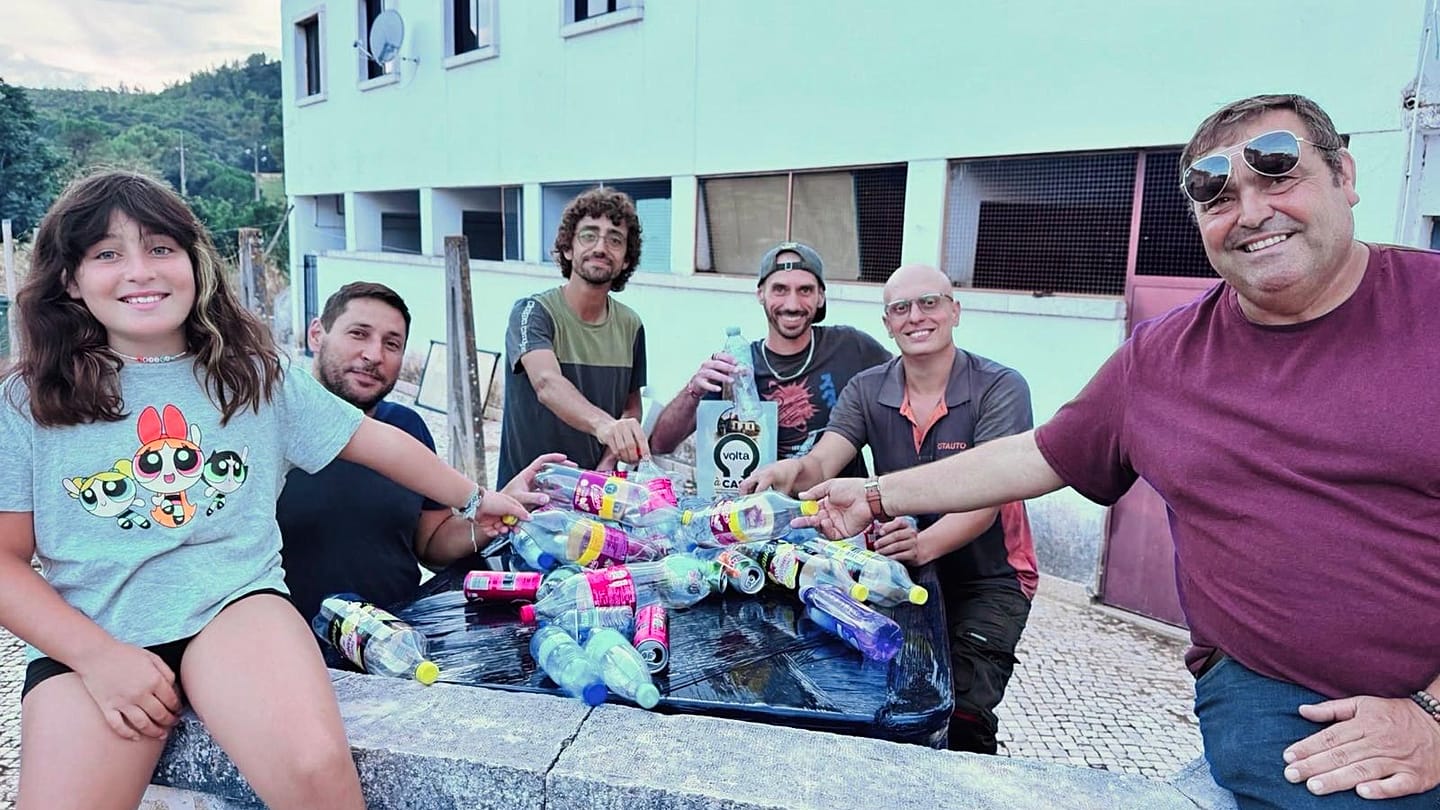
What sets this programme apart is its social dimension. In several municipalities, children have organised bottle-collection drives, using the refunds to finance class trips and cultural outings. As one teacher from Lisbon put it, “They wrote little letters to neighbours asking for their empty bottles, and the money added up quickly.”
The scheme has become a practical lesson in environmental stewardship and financial literacy. Students learn about the value of resources and the impact of collective action, while raising funds for experiences that might otherwise be out of reach.
Portugal's approach has drawn attention from other southern European countries, where recycling rates have historically lagged behind northern peers. The success here offers a template for nations like Spain, Italy, and Greece, which are exploring similar deposit return systems.
Beyond the environmental benefits, the scheme has created a modest income stream for low-income households. Some families collect bottles from public bins and events, turning waste into a small but meaningful supplement to their budgets.
The initiative also aligns with the EU's circular economy directives, which aim to increase recycling rates and reduce single-use plastics. Portugal's early adoption positions it as a leader in the region, with potential lessons for pension and social policy that increasingly intersect with sustainability.
Critics note that deposit return schemes are not a silver bullet. They require significant infrastructure and public participation to be effective. However, Portugal's experience suggests that when combined with community engagement, they can deliver tangible results.
The scheme has also sparked innovation in waste management technology, with smart collection points and digital tracking systems being tested in cities like Porto and Faro. These developments could pave the way for more efficient recycling across the continent.
As Europe pushes toward a greener future, Portugal's bottle deposit scheme stands out as a practical, community-driven success story. It proves that environmental policy can also be a tool for social good, funding everything from school trips to local projects.
For now, the children who once wrote those little letters are not only helping the planet but also broadening their horizons—one bottle at a time.