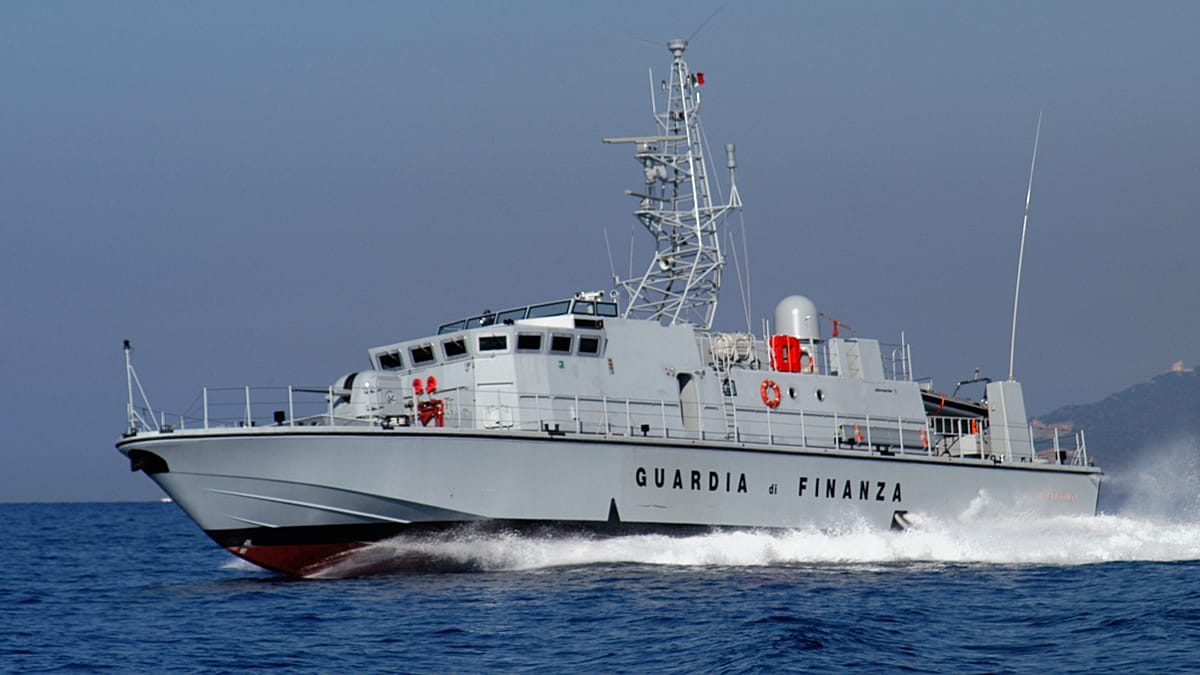
In a coordinated international operation, police forces from Italy, Spain and Portugal intercepted a high-speed boat in the Atlantic Ocean carrying more than 26 tonnes of cocaine, Italian authorities announced on Monday. The seizure, one of the largest in European waters, underscores the growing use of so-called 'go fast' vessels by organised crime groups to smuggle narcotics from South America into Europe.
Four individuals were arrested in connection with the bust: two Spanish nationals, an Albanian man residing in Italy, and a resident of Gibraltar. The boat was stopped approximately 90 kilometres southwest of Cape Espichel, off the coast of Lisbon, by Portuguese authorities acting on intelligence shared with their Italian and Spanish counterparts.
Italian police valued the wholesale cocaine at roughly €78 million, but noted that once diluted and sold on the street, the cargo could generate up to €500 million in revenue. 'The wholesale value of the cocaine is estimated at approximately €78 million. Once delivered to their destination and diluted for retail distribution, the narcotics could have generated total revenues of around €500 million,' a statement from the Italian police read.
Rise of 'go fast' boats
The operation highlights a shift in smuggling tactics. Organised crime groups are increasingly using rigid inflatable boats, known as 'go fast' vessels, which measure between 10 and 16 metres in length and are powered by multiple high-performance engines capable of speeds exceeding 70 knots. These boats allow traffickers to quickly retrieve illicit cargoes dropped at sea by larger ships arriving from South America, then race to coastal drop-off points before authorities can respond.
The interception took place on Thursday, with Portuguese police leading the maritime stop. The collaboration between the three countries reflects a broader European effort to disrupt drug trafficking routes that often pass through the Atlantic, with Portugal and Spain serving as key entry points due to their extensive coastlines and proximity to transatlantic shipping lanes.
This seizure comes amid a string of major cocaine busts across Europe. Earlier this year, Liberia seized €277 million worth of cocaine, exposing West Africa's role as a transit hub for Europe-bound narcotics. Meanwhile, Irish police recently intercepted a sophisticated car bomb near the Northern Ireland border, highlighting the diverse security challenges facing the continent.
The operation also follows a pattern of increased law enforcement cooperation within the European Union. Portugal, which has become a hub for transatlantic data cables like Google's Nuvem subsea cable, is also a strategic point for monitoring maritime traffic. The success of this bust may encourage further joint operations targeting the supply chain of South American cocaine into Europe.
Italian police did not disclose the exact origin of the cocaine, but most of the drug entering Europe from South America is produced in Colombia, Peru, or Bolivia. The European Monitoring Centre for Drugs and Drug Addiction has reported a steady increase in cocaine availability and purity across the continent, with seizures reaching record levels in recent years.
The four suspects are expected to face charges in Portugal, though extradition requests from Italy or Spain could follow. The investigation remains ongoing, with authorities examining the boat's route and potential links to larger trafficking networks operating across the Atlantic.