For many Europeans, Qatar first appeared on the radar in 2022, when it became the first Middle Eastern and North African country to host the FIFA World Cup. That tournament left a lasting impression: Doha's streets filled with fans in national-flag-inspired thobes, strangers chatted in every corner, and the capital felt like a genuine crossroads of the world.
But the country's real appeal goes beyond the gleaming stadiums. The centuries-old Souq Waqif, the quiet mangroves, and the desert beyond the city offer a different kind of discovery. As someone who calls Qatar home, I have seen how much more there is to this place than the skyline suggests.
Visa-free access for most Europeans
For travellers from the European Union, visiting Qatar is straightforward. All EU passport holders can enter without a visa, provided their passport is valid for at least three months from arrival and they have a confirmed hotel booking. Many non-EU European nationals – including citizens of the UK, Bosnia and Herzegovina, Iceland, Azerbaijan, and Switzerland – also qualify for visa-free entry. In total, citizens of more than 102 countries can enter Qatar without a visa.
Once you land at Hamad International Airport, Doha's modern metro system makes it easy to get around. The city is compact, and the metro connects key districts, including the old town and the cultural quarter.
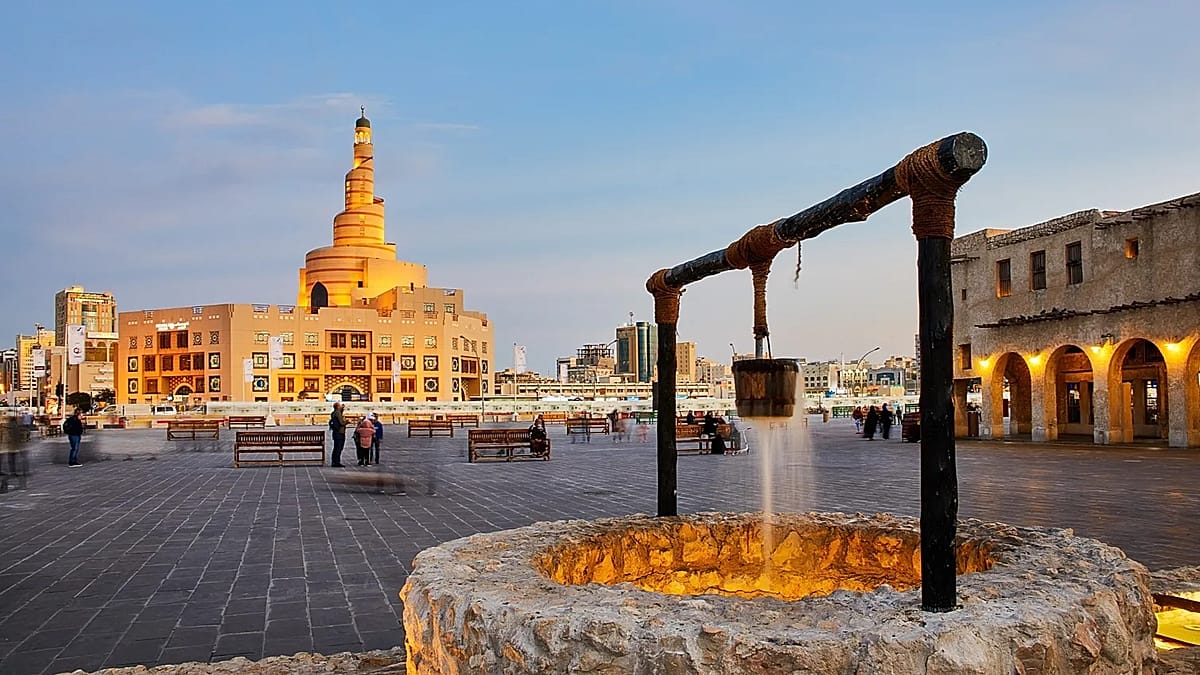
Souq Waqif: a window into traditional Qatar
In Doha's old town, Souq Waqif offers a first taste of Qatari culture. The alleys are lined with stalls selling saffron, zaatar, sumac, dried flowers, black lemons, and countless varieties of dates, honey, and coffee beans. It is a sensory introduction to the region's culinary and trading heritage.
Beyond the spices, visitors can meet some of the country's most beloved animals. At the Falcon Souq, shopkeepers happily let tourists pose with the majestic birds perched on their arms. Just a short walk away, the camel pen houses the doe-eyed creatures, and nearby stables keep Arabian horses, which are exercised by heritage equestrians.
Doha's dining scene earns Michelin recognition
Doha is home to more than 3,000 restaurants, serving everything from traditional Qatari and Gulf cuisine to Latin American, Asian, and European flavours. The city's culinary scene caught the attention of the Michelin Guide, which published its first Doha edition in 2024. That guide lists 41 restaurants, including three with a Michelin star and eight with a Bib Gourmand.
For a special meal, I recommend Kai's Songbird at the Corinthia Yacht Club, and Nota Blu at the Four Seasons The Pearl-Qatar, a Spanish brasserie that brings Mediterranean dishes to Doha. For something more casual, try a cup of saffron karak tea and a chapatti from Karak Mqanes – a local favourite.
Sea, desert, and wildlife in one trip
Because Qatar is small, visitors can combine dramatically different landscapes in a single day. You can start with Doha's skyline, then head into the desert for dune bashing and a chance to spot camels and Arabian oryx, or relax at one of the many beach resorts. Along the coast, traditional dhow boats, paddleboarding, and kiteboarding are popular. The waters around Qatar are also home to the world's second-largest population of dugongs.
One of the country's most striking natural wonders is Khor Al Adaid, known as the Inland Sea. This landlocked lagoon is surrounded by sand dunes up to 40 metres high. The water is calm and warm, making it safe to swim, and the best time to visit is from November to April. The site, which is recognised by UNESCO, also features rocky ridges and cliffs, and it lies no more than a two-hour drive from the border with Saudi Arabia.
Pearl diving heritage and cultural villages
Qatar's pearl trade dates back thousands of years and was once the backbone of its economy. The country is linked to one of the world's oldest known natural pearls, dating to around 4600 BCE. Today, visitors can explore this history at the National Museum of Qatar, which displays prized pearl pieces. Pearls also take centre stage at the annual Doha Jewellery & Watches Exhibition, scheduled for 28 September to 3 October 2026.
For art and heritage, Katara Cultural Village in Doha is worth a visit. It brings together public art, galleries, and performance spaces, offering a glimpse into the region's creative side. Whether you are drawn by the food, the desert, or the culture, Qatar offers a compact but rich travel experience that goes far beyond the World Cup memories.