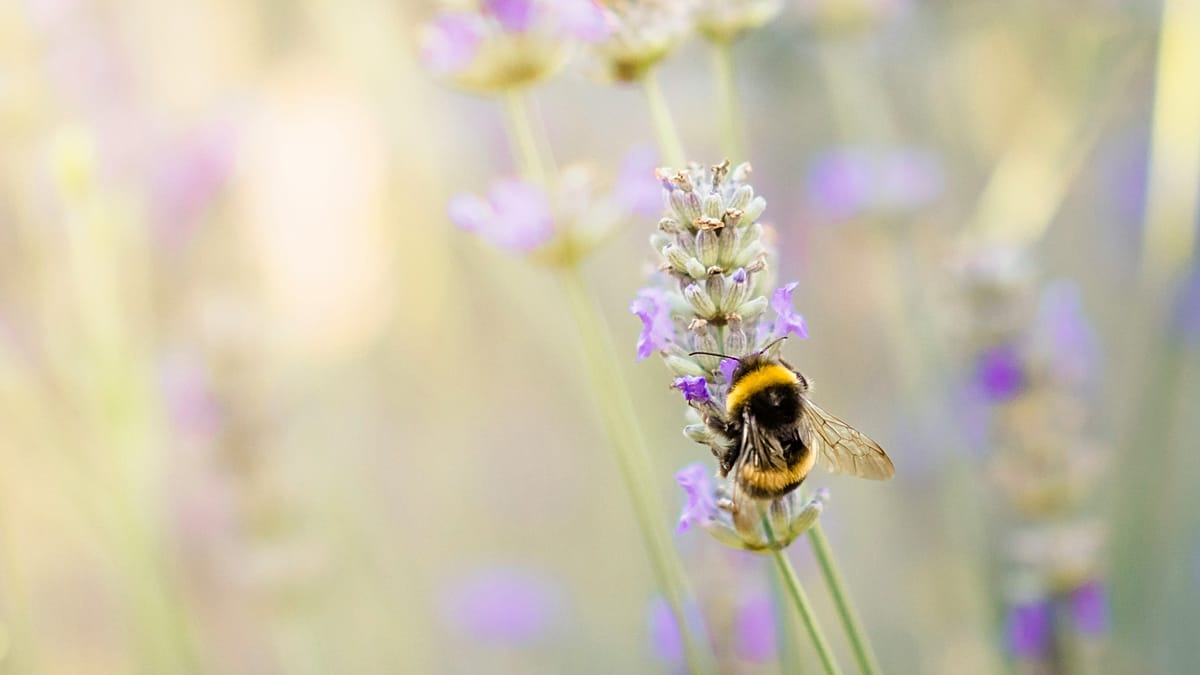
Bumblebee queens possess a remarkable ability to survive underwater for at least a week, according to new research published in the journal Proceedings of the Royal Society B: Biological Sciences. This adaptation allows them to endure winter floods caused by melting snow and rain, a critical survival mechanism for a species already under pressure from habitat loss and climate change.
The discovery originated from an accidental observation by researcher Sabrina Rondeau, a co-author of the study. During an experiment on pesticide effects, she placed diapausing queens—bees in a hibernation-like state—in soil-filled tubes inside a refrigerator. Condensation filled some tubes, submerging four queens completely. To her surprise, they remained alive. A 2024 study confirmed that queens can survive underwater for a week, and the new work delves into the physiological mechanisms behind this feat.
How Queens Breathe Underwater
To investigate, the research team induced healthy queens into diapause by placing them in cold, dark conditions mimicking winter. After several weeks, they submerged the insects in water-filled chambers for periods ranging from a few hours to eight days. Throughout, they measured metabolic rates and recorded physiological changes.
The submerged queens continued to produce carbon dioxide at a low but detectable rate, indicating they were breathing underwater. Their metabolic rate remained steady regardless of submersion duration. Additionally, the bees relied on a supplementary anaerobic energy system, which led to lactate accumulation in their bodies. Once removed from the water, their metabolic rate spiked dramatically for two to three days as they cleared the lactate and recovered.
“Such physiological capacity underpins [queen bees’] resilience to environmental extremes and provides insights into how terrestrial insects may persist in flood-prone habitats,” the team wrote.
This ability is particularly relevant as climate change increases the frequency of extreme weather events across Europe, including heavy rainfall and flooding. Bumblebees are vital pollinators for many crops and wild plants, and their queens’ ability to survive winter floods could help populations rebound after harsh seasons. However, the broader threats from pesticides, habitat fragmentation, and warming temperatures remain significant.
The study highlights the resilience of these insects, but also underscores the need for conservation efforts. As European landscapes face more unpredictable weather, understanding how key species adapt—or fail to adapt—will be crucial for maintaining biodiversity and agricultural productivity.