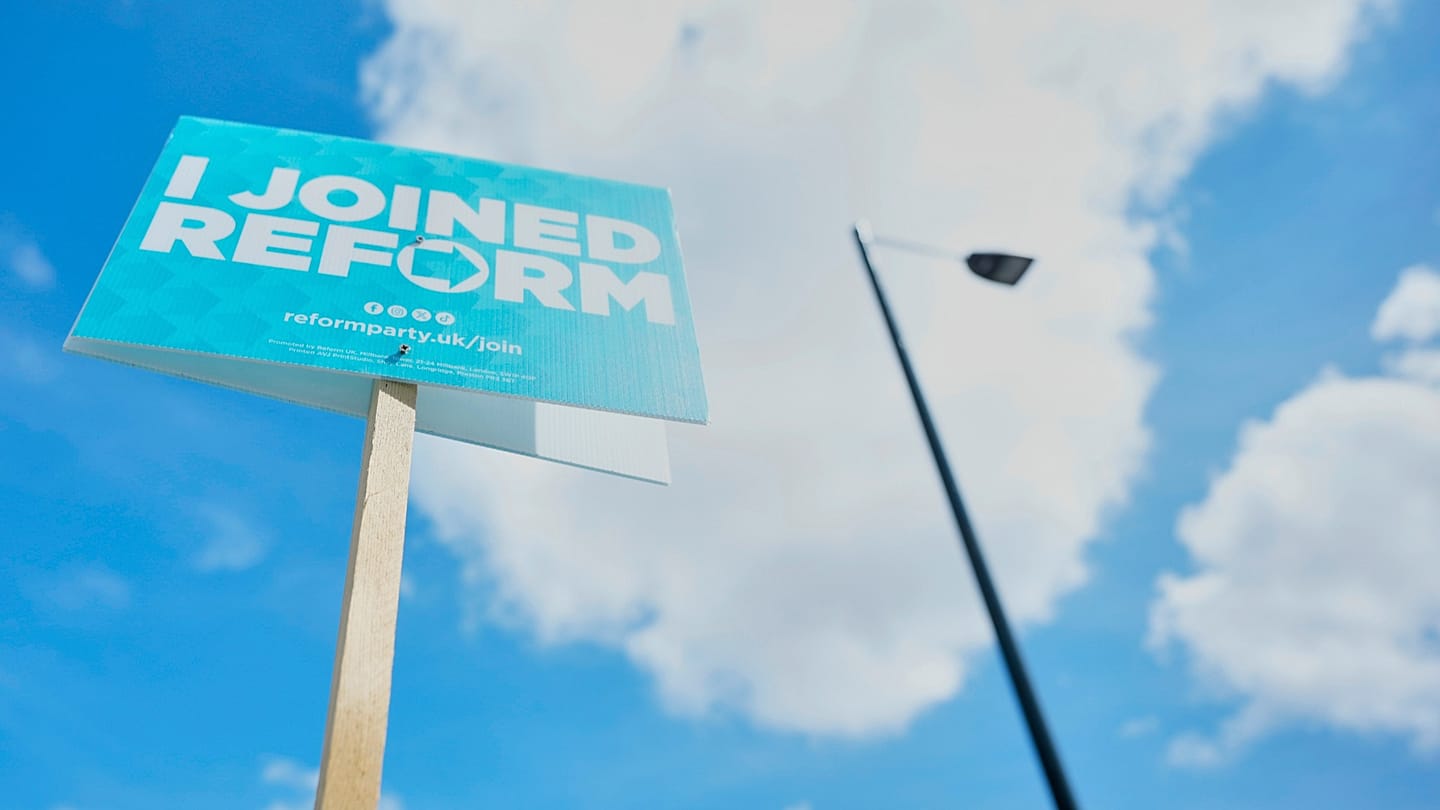
Reform UK, the hard-right party led by Nigel Farage, has announced a radical proposal to use the Royal Navy to intercept small migrant boats in the English Channel. The plan, unveiled on Tuesday, would see naval vessels deployed to stop vessels carrying irregular migrants from reaching British shores, a move that would mark a significant escalation in the UK's border enforcement strategy.
The party's immigration spokesman, Richard Tice, said that the navy would be given a clear mandate to turn back boats to French waters, arguing that current measures have failed to deter crossings. "We will use the full might of the Royal Navy to protect our borders," Tice said in a statement. "This is about sovereignty and the rule of law."
The proposal comes just months after Britain and France signed a new three-year agreement in April to tackle the issue jointly. Under that deal, London agreed to pay Paris up to €766 million to strengthen law enforcement along the French coast, including increased patrols and surveillance. The agreement was hailed by both governments as a step forward in addressing the humanitarian and security challenges posed by the crossings.
However, critics argue that the naval approach could create diplomatic tensions with France and raise legal and ethical questions. French authorities have previously expressed concerns about pushback operations, which they say could endanger lives and violate international maritime law. The Channel is one of the world's busiest shipping lanes, and any military intervention would need to be carefully coordinated.
The proposal also echoes similar debates elsewhere in Europe. In the Mediterranean, EU member states have struggled to balance border control with humanitarian obligations. The recent migrant crisis in Ceuta, where thousands crossed into the Spanish enclave, highlighted the pressures on Europe's southern borders. Spanish authorities have faced criticism over their handling of the influx, and the incident has fueled calls for stronger EU-wide measures.
Political reactions and feasibility
Reform UK's plan has drawn sharp reactions from across the political spectrum. The governing Conservative Party, which has itself adopted a tough stance on immigration, dismissed the proposal as impractical and costly. A government spokesperson said that the Royal Navy's primary role is defense, and that border security is best handled by specialized agencies like the Border Force.
Labour, meanwhile, accused Reform UK of exploiting a complex issue for political gain. "This is another headline-grabbing gimmick from a party that has no real plan for government," said a Labour spokesperson. "We need practical solutions that respect international law and our obligations to those fleeing persecution."
Legal experts have also weighed in, noting that the Royal Navy would face significant hurdles. Under international law, migrants have the right to seek asylum, and any interception must ensure their safety. The UK is a signatory to the UN Refugee Convention, which prohibits the return of individuals to places where they face persecution.
Despite the criticism, Reform UK's proposal resonates with a segment of the British public that is frustrated with the ongoing crossings. More than 20,000 people have arrived in the UK via small boats so far this year, a slight decrease from the same period last year but still a major political issue. The party hopes to capitalize on this sentiment ahead of the next general election.
The debate is not confined to Britain. Across the Channel, French politicians have watched the UK's internal discussions with unease. The French government has repeatedly called for closer cooperation, but also insists that the root causes of migration must be addressed. "We cannot simply push the problem back," said a French interior ministry official. "We need a comprehensive European approach."
Indeed, the issue of migration remains a defining challenge for the European Union. The emergency talks requested by 22 EU states after the Ceuta surge underscored the divisions among member states on how to share responsibility. While some advocate for stronger external borders, others push for more legal pathways and solidarity mechanisms.
Reform UK's naval plan, if implemented, would likely test the limits of bilateral cooperation. The UK and France have a history of friction over migration, with each side accusing the other of not doing enough. The new funding agreement was meant to ease those tensions, but a unilateral naval deployment could unravel that progress.
For now, the proposal remains a campaign promise rather than a concrete policy. But it has already shifted the political debate, forcing other parties to clarify their positions on border enforcement. As the UK prepares for an election, migration is set to remain a central battleground, with Reform UK positioning itself as the most hardline option.
Observers note that the plan's success would depend on operational details, including rules of engagement and coordination with French authorities. Without French cooperation, the navy's ability to intercept boats would be severely limited. The Channel is narrow, but it is also a shared space, and unilateral actions could have unintended consequences.
In the meantime, the humanitarian toll continues. Each crossing carries risks, and deaths have occurred in the past. The political fallout from the Ceuta surge shows how quickly migration can become a flashpoint. As Europe grapples with these challenges, the debate over how to balance security and humanity is far from settled.