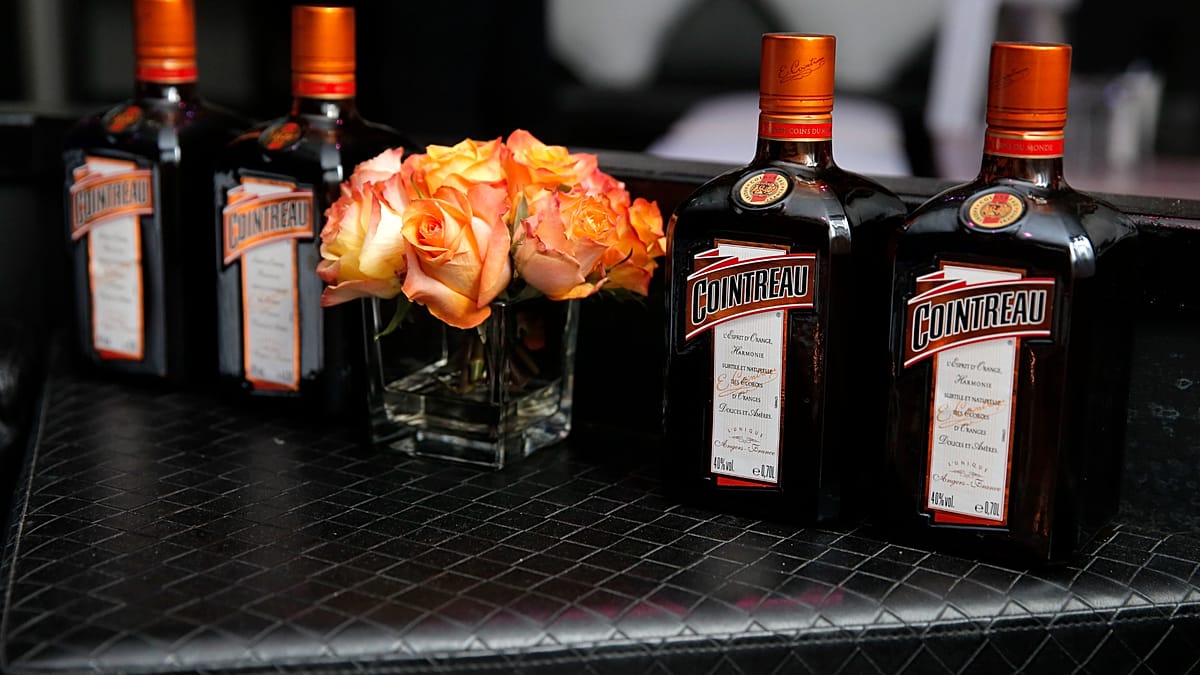
French spirits group Rémy Cointreau reported a 35% decline in net profit for its financial year ending March, as tariffs in the United States and China, coupled with a strong euro, continued to weigh on sales. Despite the drop, shares jumped more than 12% in early trading on the Paris stock exchange, reflecting investor optimism about the company's newly announced turnaround plan.
The Cognac-based group posted net profit of €78.7 million, down from €121.2 million a year earlier, on sales that fell 5% to €935.3 million. Current operating profit margin shrank to 17.7% from 22%, as higher production costs and currency headwinds eroded profitability.
Tariffs and Currency Pressures Persist
Rémy Cointreau has been grappling with the fallout from US President Donald Trump's tariffs on European spirits and China's retaliatory levies on cognac imports. The strong euro against the dollar and other major currencies has further made its premium cognacs and liqueurs more expensive on global markets. CEO Franck Marilly acknowledged the challenges in a statement, saying the group had "won several key battles" in what he described as "a persistently complex macroeconomic and geopolitical environment."
The company expects US and Chinese tariffs, along with the strong euro, to continue pressuring the bottom line in the current year, though it forecasts a "slight" improvement in operating margin.
RC Forward: A Three-Year Turnaround
Investor enthusiasm was fueled by the launch of the RC Forward programme, a three-year strategic plan aimed at restoring growth and operational efficiency. The initiative targets approximately €100 million in additional operating profit and efficiency gains by 2028-29 compared with 2025-26. Key pillars include expanding in emerging markets and global travel retail, unlocking growth from its premium cognac portfolio, and improving supply chain efficiency.
Marilly highlighted early signs of recovery: "Our brands are regaining ground in the United States, Rémy Martin is strengthening its leadership and market share in China, and our Travel Retail business is gradually recovering, with the aim of doubling in size within three years." Travel retail, which includes duty-free sales at airports, has been a particularly hard-hit segment during the pandemic and subsequent geopolitical tensions.
For the next financial year, Rémy Cointreau targets a return to organic sales growth, with momentum expected to strengthen progressively through 2026-27.
Broader Economic Uncertainties
Analysts caution that escalating tensions in the Middle East could add further uncertainty for consumer goods companies if higher energy prices continue to weaken consumer spending. The region's instability, as seen in recent conflicts, may dampen travel and luxury goods demand across Europe and beyond. For context, the Iran conflict has already driven up airfares and dented tourism recovery in Southeast Asia, a trend that could spill over into European travel retail.
Despite these headwinds, Rémy Cointreau's share price surge mirrors a broader pattern of investor appetite for European luxury and consumer goods stocks that show signs of strategic adaptation. The company's ability to navigate tariff disputes and currency volatility will be closely watched by markets across the continent.
Meanwhile, other European companies are also adjusting to geopolitical pressures. Inditex recently posted strong Q1 sales growth, defying similar headwinds, while Stellantis invested €1 billion in a French plant for new EV and hybrid models, underscoring the resilience of European manufacturing.
As Rémy Cointreau embarks on its RC Forward plan, the group's performance will serve as a bellwether for the European spirits industry's ability to weather trade disputes and currency fluctuations while pursuing long-term growth in emerging markets.