Brussels and Beijing are back at the negotiating table this week as EU Trade Commissioner Maroš Šefčovič begins a two-day visit to the Chinese capital. The trip comes at a delicate moment: the EU's trade deficit with China has widened significantly over the past decade, and European capitals are pressing for concrete results before the October summit of EU leaders.
Šefčovič's agenda in Beijing is expected to focus on market access, intellectual property, and the growing asymmetry in bilateral trade. The European Commission has been exploring new tools to counter what many member states see as unfair practices, including subsidies and forced technology transfers. The stakes are high, as the talks enter a decisive phase with Brussels seeking tangible outcomes rather than vague commitments.
Rubio's blunt message from Athens
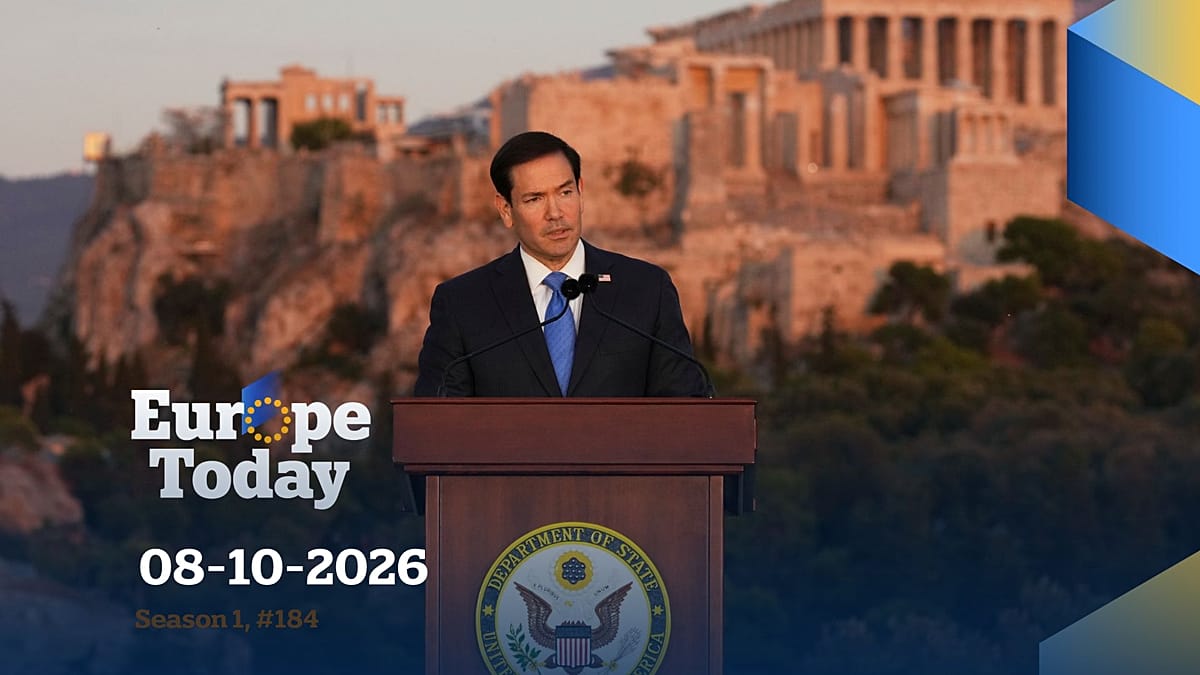
While Šefčovič was landing in Beijing, US Secretary of State Marco Rubio was delivering a stark warning from Athens. Speaking at the sixth round of the US–Greece Strategic Dialogue, Rubio said Europe needs to awaken from its “long slumber” and take its own defence and security more seriously. His remarks, made on the eve of the talks, were aimed at NATO allies who have long relied on American military protection while underinvesting in their own capabilities.
Rubio's visit to Greece underscored the strategic importance of the Eastern Mediterranean, particularly in energy and security. He met with Greek officials to discuss defence cooperation and regional stability, with an eye on the ongoing tensions in the Middle East and the war in Ukraine. The US has repeatedly urged European members of NATO to meet the 2% of GDP defence spending target, and Rubio's language was notably more forceful than that of his predecessors.
His comments come as Rubio pushes Europe to boost defence spending, a message that resonates in Athens, which has increased its military budget in recent years due to friction with Turkey. But the broader European response has been mixed, with some member states wary of provoking Moscow and others eager to reduce their reliance on Washington.
Student protests return to French streets
In Paris, students are back on the streets today, joining a wave of demonstrations that have swept the country this week. Trade unions have called for a major day of action, and organisers hope to build on Tuesday's turnout, which saw more than 250,000 people protest across France. The protests are driven by a range of grievances, including rising living costs, pension reform, and concerns over the government's education policies.
The student movement has gained momentum in recent weeks, with many young people expressing frustration at their economic prospects. The protests have been largely peaceful, but there have been clashes with police in some cities. The government of President Emmanuel Macron has defended its reforms, arguing that they are necessary to modernise the economy and reduce public debt. However, the scale of the demonstrations suggests that public discontent is not fading.
London weighs its options on the EU
Across the Channel, the UK's new Labour government is signalling a more conciliatory approach to Brussels. UK Prime Minister Andy Burnham has said he will consider a “range of options” for the future relationship with the EU, including the possibility of rejoining the bloc. While rejoining remains a long shot, the shift in tone is notable after years of Brexit acrimony.
UK Minister for European Relations Hamish Falconer, in an interview with our correspondent, stressed that the government wants a “pragmatic and mature” partnership with the EU, focusing on trade, security, and climate. He stopped short of endorsing rejoining, but he did not rule it out either. The EU has welcomed the warmer rhetoric, but officials in Brussels are cautious, noting that any renegotiation would be complex and time-consuming.
MEPs' salaries under fire
In Brussels, a new proposal to halve MEPs' net salaries from €8,800 to €4,400 has sparked debate. Belgian MEP Marc Botenga of The Left is behind the initiative, which he says is about solidarity with ordinary citizens. Critics, however, dismiss it as a populist stunt designed to grab headlines rather than a serious policy proposal.
The European Parliament has long been sensitive to public perceptions of its members' pay and perks. While some MEPs support the idea of a pay cut, others argue that it would deter qualified candidates from seeking office. The proposal is unlikely to pass, but it has reignited a broader discussion about the transparency and accountability of EU institutions.
As Europe navigates these simultaneous challenges—trade with China, pressure from the US, domestic unrest, and the post-Brexit relationship with the UK—the coming weeks will test the continent's ability to act cohesively. The EU summit in October will be a key moment for leaders to show that they can deliver on their promises.