Russell Brand, the British comedian and actor, was sentenced on Monday to 10 years and 6 months in prison for rape and sexual assault. The 50-year-old was convicted last week by a jury at London's Southwark Crown Court of one count of rape and three counts of sexual assault, committed against four women between 2004 and 2009.
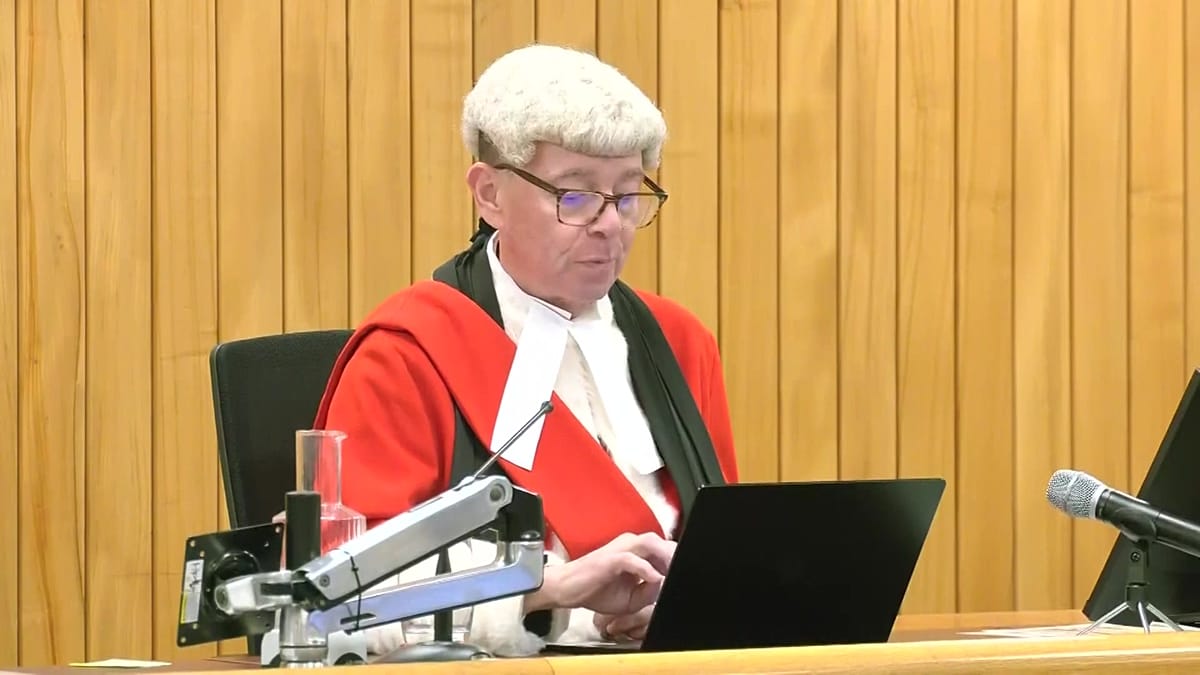
Judge Joel Bennathan handed down the sentence, ordering that Brand serve two-thirds of the term before being released on licence. The comedian will also be subject to indefinite notification requirements under the Sexual Offences Act 2003, meaning he must keep police informed of his whereabouts and other personal details.
A fall from public grace
Brand, who rose to fame in the 2000s as a stand-up comedian and later became a Hollywood actor and podcast host, now faces the consequences of a pattern of behaviour that prosecutors argued was predatory. The offences took place at the height of his fame, when he was a prominent figure on British television and in the tabloid press.
The case has resonated far beyond the UK, given Brand's international profile. His conviction is a landmark moment in the broader #MeToo reckoning that has swept through Europe and the English-speaking world, prompting renewed scrutiny of how institutions handled allegations against powerful men.
During the trial, the prosecution presented evidence from four women who described assaults that occurred in various settings, including a bathroom and a car. The jury deliberated for several days before returning guilty verdicts on all counts.
In a statement read outside court, one of the victims said she felt "vindicated" by the verdict, adding that the ordeal had been "traumatic" but that she hoped the case would encourage other survivors to come forward. Another victim described Brand as "a man who used his fame and power to exploit vulnerable women."
Brand's defence team had argued that the encounters were consensual, but the jury rejected that account. The sentencing judge noted the "significant impact" on the victims, whose lives had been "profoundly affected" by the assaults.
The case has also raised questions about the culture of celebrity and accountability in the UK, where Brand had long cultivated a persona of provocative, boundary-pushing comedy. His downfall mirrors that of other high-profile figures in entertainment and politics across Europe, from the conviction of film producer Harvey Weinstein in the US to the ongoing trials in France and elsewhere.
Legal experts say the sentence reflects the seriousness of the offences and the need to deter others. "This is a strong message that sexual violence will not be tolerated, regardless of the perpetrator's status," said Dr. Elena Marchetti, a criminologist at the University of Bologna, in an interview. "The courts are increasingly willing to hold celebrities accountable."
Brand is expected to appeal, but his legal team has not yet filed papers. Meanwhile, the case has sparked debate about the treatment of victims in the justice system and the role of the media in reporting such allegations.
For now, the sentence marks the end of a lengthy legal process that began with allegations first published in 2023. The Metropolitan Police investigated for more than a year before charging Brand in 2024.
As Brand begins his prison term, the focus shifts to the wider implications for the entertainment industry and for public trust in the justice system. The case is a reminder that even the most celebrated figures can be held to account, and that the law applies equally to all.