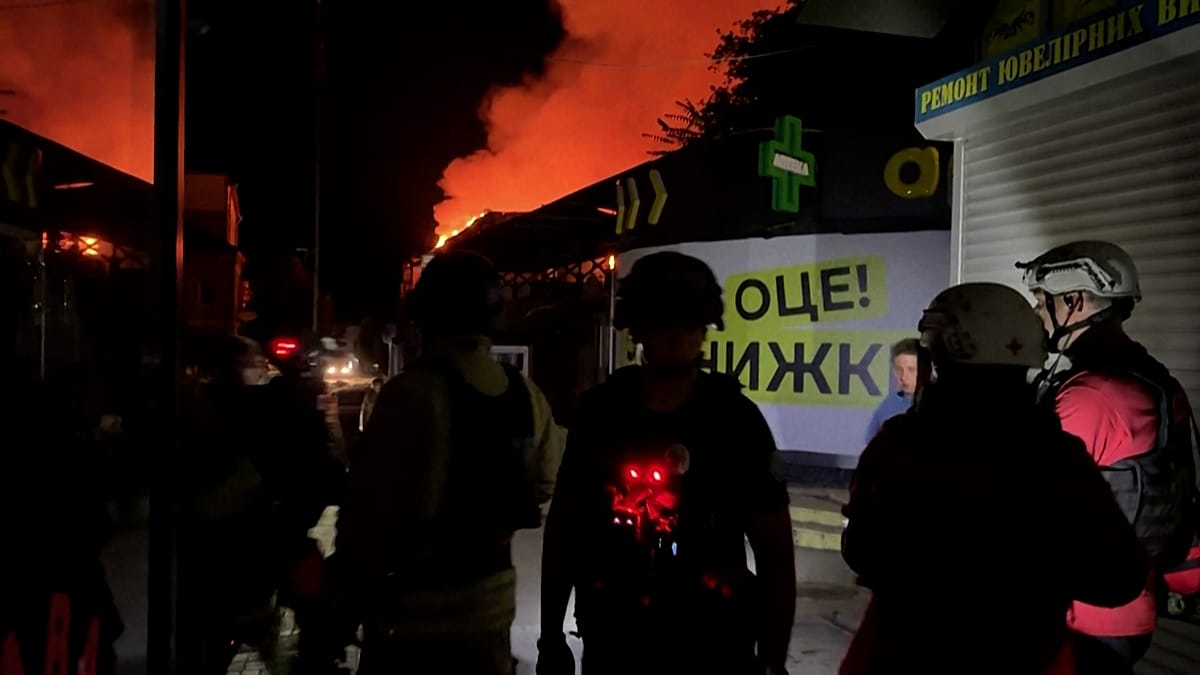
On 16 June, a Russian drone struck a residential building in the southeastern Ukrainian city of Zaporizhzhia, killing at least one person and injuring seven others, Ukrainian officials confirmed. The attack ignited a large fire and inflicted significant structural damage on the property, underscoring the ongoing threat to civilian infrastructure in the region.
Details of the Attack
The drone hit the home in the early hours, catching residents off guard. Emergency services responded swiftly, extinguishing the blaze and evacuating nearby buildings. Local authorities reported that the injured were taken to hospitals in Zaporizhzhia, with some in serious condition. The identity of the deceased has not been released pending family notification.
This incident is part of a broader pattern of Russian drone strikes targeting Ukrainian cities. In recent weeks, similar attacks have hit Kyiv and Mykolaiv, sparking major fires, and Kharkiv, where residential areas have been repeatedly struck. The use of drones allows Russian forces to strike with precision while avoiding direct engagement, complicating Ukrainian air defense efforts.
Broader Context
Zaporizhzhia, a city of strategic importance due to its proximity to the front lines and the Zaporizhzhia Nuclear Power Plant, has endured frequent attacks since the full-scale invasion began in February 2022. The plant, Europe's largest nuclear facility, remains under Russian control, raising concerns about nuclear safety. The latest drone strike did not affect the plant, but it highlights the precarious security situation in the region.
Ukrainian President Volodymyr Zelenskyy has repeatedly called for more advanced air defense systems from Western allies to counter such threats. At the recent G7 summit in Évian, leaders pledged additional weapons for Ukraine and targeted Russian energy revenue, but the pace of deliveries remains a point of contention. The European Union has also stepped up sanctions, including against individuals spreading disinformation, as part of efforts to undermine Russia's war machine.
The attack on Zaporizhzhia comes amid a broader escalation in drone warfare. Russia has increasingly deployed Iranian-designed Shahed drones, which are cheap and difficult to intercept. Ukraine has developed its own drone capabilities, striking targets inside Russia, but the asymmetry in scale remains stark. Civilian casualties continue to mount, with the United Nations reporting thousands of deaths since the invasion began.
International reactions have been swift. The European Commission condemned the strike, reiterating its support for Ukraine's sovereignty. The United Nations called for an immediate cessation of attacks on civilian infrastructure. However, diplomatic efforts to end the war remain stalled, with Russia showing no signs of de-escalation.
For residents of Zaporizhzhia, the attack is a grim reminder of the war's proximity. Many have already fled, but those who remain face daily risks. Local authorities are urging people to seek shelter during air raid warnings, though the frequency of attacks makes sustained vigilance exhausting.
As the conflict enters its third year, the human toll continues to grow. Each drone strike, like the one in Zaporizhzhia, adds to the list of names and stories that define this war. The international community's response, through sanctions, military aid, and humanitarian support, will determine how long Ukraine can withstand such assaults.