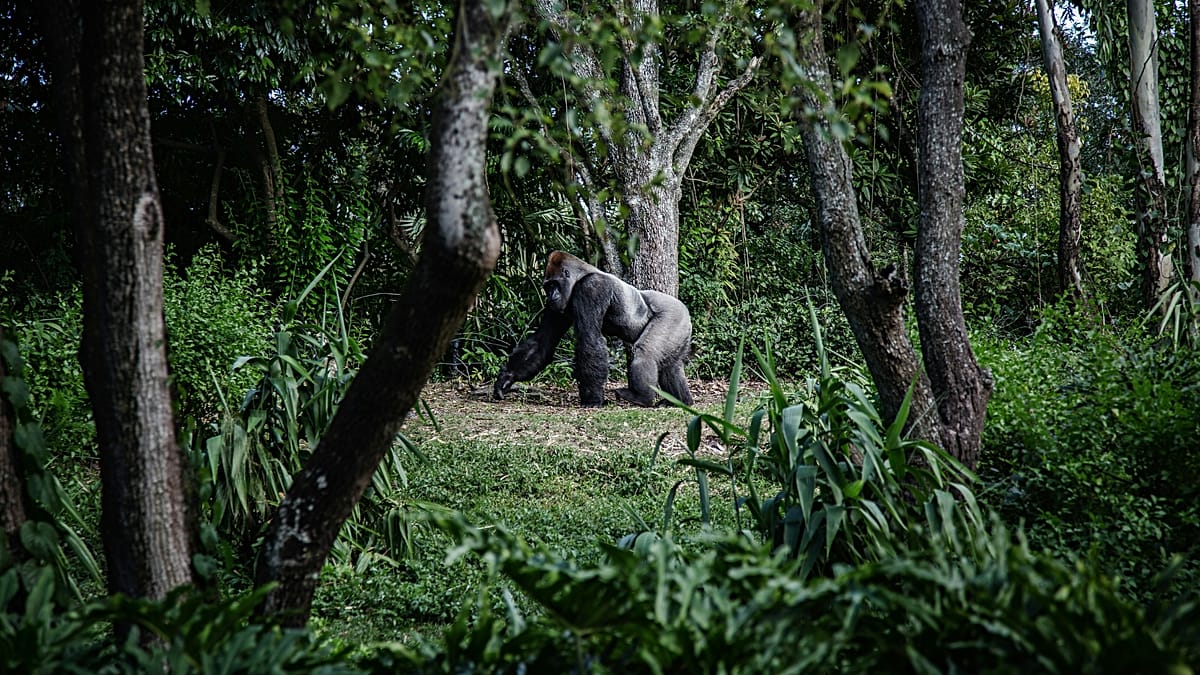
In April, David Attenborough's documentary A Gorilla Story premiered on Netflix, following the mountain gorilla Pablo, first filmed by Attenborough in 1978, and his descendants in Rwanda's Volcanoes National Park. The film has sparked what is often called the 'Attenborough effect'—a phenomenon previously seen after Blue Planet II in 2017, which shifted global attitudes toward plastic pollution and boosted demand for conservation-focused travel.
Rwanda's approach to gorilla tourism, however, is deliberately constrained. Unlike many wildlife destinations that scale up to meet demand, Kigali caps access: only 100 gorilla permits are issued each day, each costing $1,500 (€1,300). Visits are limited to one hour, and a maximum of eight visitors can track a single gorilla family at a time. This system is designed to protect both the animals and their fragile habitat.
Changing Travel Habits, Not Visitor Numbers
Rather than a surge in tourist arrivals, the Attenborough effect is reshaping traveller behaviour. Lydia Eva Mpanga, founder of Nkuringo Safaris, a Uganda- and Rwanda-based operator with over 18 years of experience, notes a clear shift. 'When global interest rises, the permit system does not suddenly stretch to meet it,' she explains. 'Gorilla trekking remains tightly controlled.'
Mpanga reports that her consultants now see about five in ten guests booking gorilla safaris choosing to trek twice and stay longer, up from roughly two to three in ten before. 'That tells us people are thinking more seriously about the experience and giving it more space in the safari,' she adds. This trend mirrors broader patterns in European tourism, where destinations like Venice are experimenting with fees to manage visitor flows, as seen in the Venice Mayor's proposal for a €50 day-tripper fee.
The high permit price—$1,500 per person—acts as a natural filter. 'The $1,500 permit helps keep the experience limited, serious, and planned,' says Mpanga. 'What we see is that price tends to attract travellers who have thought carefully about why they want to do the trek and how they want to do it.' Rwanda channels this revenue into conservation, visitor management, and community development around the park.
Physical Demands and Advance Planning
Gorilla trekking is not a casual excursion. It requires physical fitness, advance booking, and careful logistics. 'Remember, gorilla trekking asks something of you. It is expensive, physically demanding, limited by permits, and shaped by rules that put the gorillas first,' Mpanga emphasises. The emotional decision to go may happen in an evening after watching the film, but the practical side—permits, season, safari routing, and lodge availability—takes much longer to shape.
This controlled model stands in contrast to some European destinations grappling with overtourism. For instance, Greece saw a 37% rise in tourism revenue in early 2026, driven by geopolitical shifts, but without similar caps. Rwanda's strategy ensures that increased interest does not degrade the very resource that attracts visitors.
Mpanga adds that those inspired by nature documentaries are often travellers who already care about wildlife and conservation. 'Seeing gorillas on screen is one thing. The real journey still takes planning: permits, season, safari routing, and lodge availability,' she says. 'Rwanda's gorilla booking system is built for advance planning, not instant access.'
As European travellers increasingly seek meaningful, conservation-led experiences, Rwanda's model offers a blueprint for balancing demand with ecological protection. The Attenborough effect may drive curiosity, but the country's strict permit system ensures that the gorillas remain the priority.