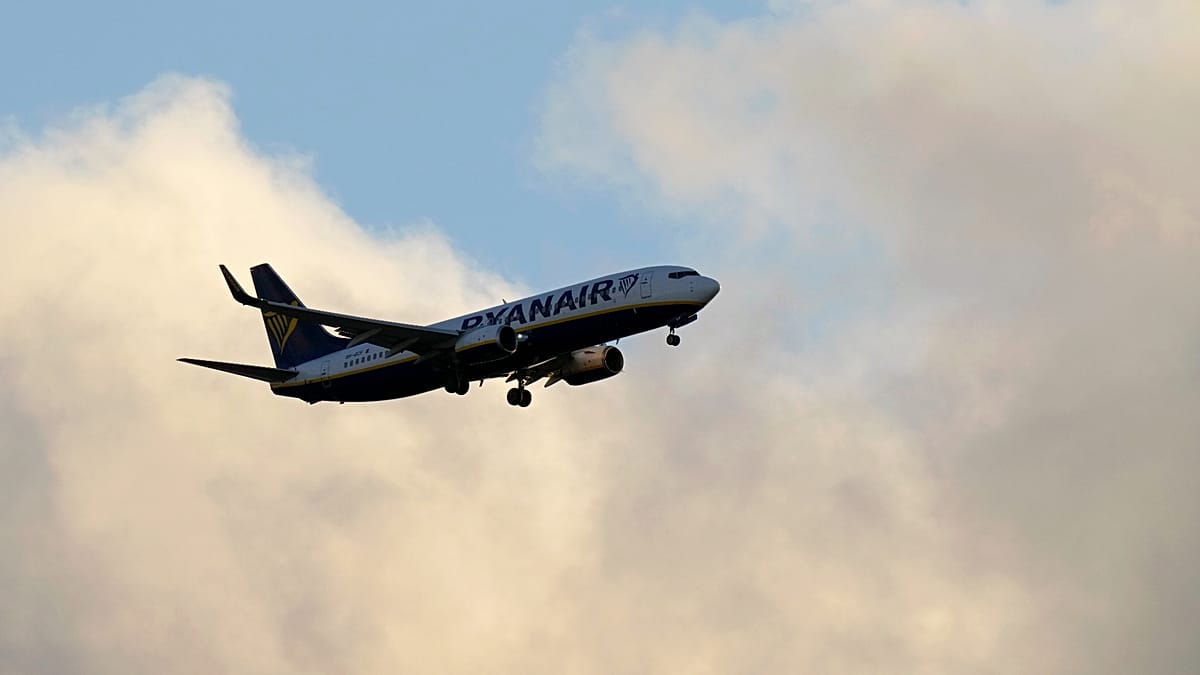
Ryanair, one of Europe's largest low-cost carriers, has reported a 15% drop in first-half net profit, as soaring fuel costs and softer fares offset continued passenger growth. The Dublin-based airline earned €2.15bn between April and September, the first half of its financial year ending March 2027.
Revenue rose 3% to €10.08bn, and passenger numbers climbed 6% to 125.8 million, but average fares fell 4%. Operating costs increased 10% to €7.69bn, driven largely by a doubling in the price of jet fuel that the airline had not hedged.
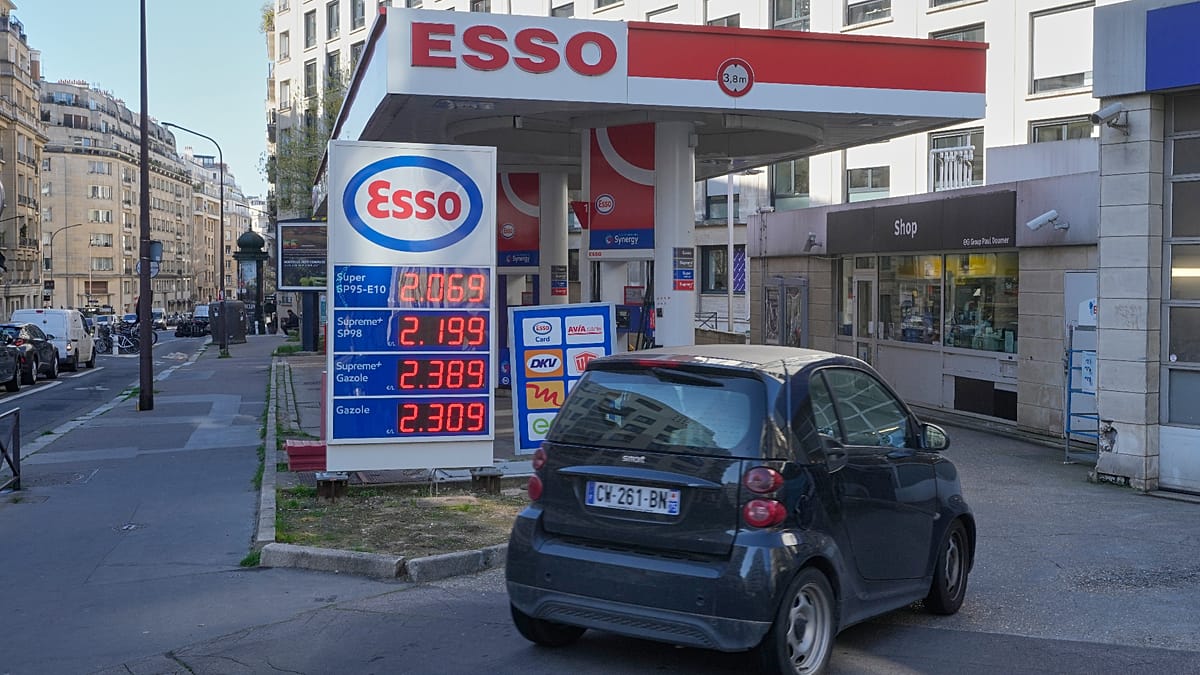
The results reflect only part of the fuel price surge, as Ryanair has locked in prices for 80% of its fuel needs for the current financial year through hedging contracts. That protection helped cushion earnings, but the remaining 20% of its fuel purchases cost twice as much as a year earlier.
Fuel bill set to rise by €2bn
Looking ahead, Ryanair warned that its fuel bill could increase by around €2bn in the financial year ending March 2028, based on current forward prices. The company's chief executive, Michael O'Leary, said that unless the Middle East conflict is resolved quickly, jet-fuel prices are likely to remain elevated well into 2027.
"Unless there is a swift resolution of the Middle East conflict, we expect jet-fuel prices to remain elevated well into 2027," O'Leary said.
He also noted that cheaper fuel hedges would expire before summer 2027, leaving European airlines exposed to much higher costs. In an interview with Euronews in late October, O'Leary warned that European airfares could rise by up to 20% in 2027.
However, Ryanair expects that higher fares and capacity reductions by competitors will not fully cover its extra fuel costs. To address the pressure, the airline is reviewing a range of cost-cutting measures, including temporary pay freezes, lower crew-to-passenger ratios, and greater use of artificial intelligence across operations and support teams.
The company also announced an €800m share buyback programme, due to start in February 2027 and run for around ten months, subject to market conditions.
Demand for the October–December period remains strong, with fares running modestly above last year, but late booking patterns make the outlook harder to predict. Ryanair said it was too early to give a full-year profit forecast, citing uncertainty over conflicts, fuel prices, the wider economy, and European air traffic control disruptions.
In September, Ryanair reduced its winter schedule to limit exposure to unhedged fuel costs, cutting its full-year passenger target from 216 million to 214 million. The airline's caution reflects broader concerns across the European aviation sector, as carriers grapple with rising energy costs and geopolitical instability. For more on how energy prices are affecting the continent, see the EU's plan to tackle winter bills.
The airline's results come as other European companies also feel the pinch from higher energy prices. In Italy, for example, inflation jumped to 5.4% in October, driven by surging energy costs, and nationwide strikes have erupted over living costs and defence spending. Ryanair's cost pressures are part of a wider trend affecting European businesses, as highlighted by Kärcher's CEO warning of a 'perfect storm'.
Despite the challenges, Ryanair remains one of Europe's most profitable airlines, with a strong balance sheet and a track record of aggressive cost management. The company's ability to navigate the current turbulence will be closely watched by investors and competitors alike.